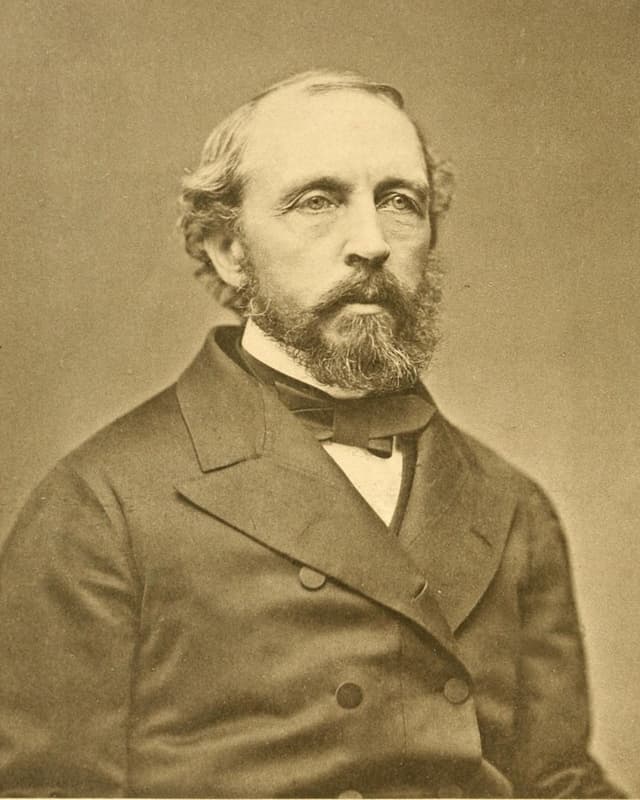
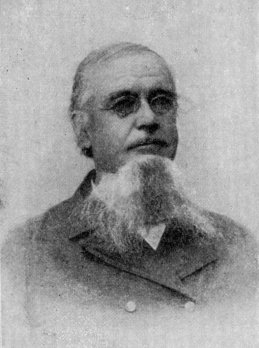
William Rounseville Alger
William Rounseville Alger was an influential American Unitarian minister, author, and poet known for his diverse contributions to literature and social reform in the 19th century. He was an ardent abolitionist, advocating for the end of slavery and promoting social justice through his writings and sermons. Alger's role as Chaplain of the Massachusetts House of Representatives further exemplified his commitment to public service and moral leadership during a tumultuous period in American history. Among his notable works are 'A Critical History of the Doctrine of a Future Life' and 'The Poetry of the East,' which reflect his deep engagement with philosophical and spiritual themes. Alger's literary output included hymns and essays that resonated with the Unitarian ethos of reason and compassion. His writings not only contributed to the religious discourse of his time but also influenced subsequent generations of thinkers and writers, solidifying his legacy as a champion of both faith and social progress.
Famous Quotes
View all 3 quotes“It is true that the real world of the soul is an invisible place, removed from the rush and chatter of crowds, and that the most important portion of life is the secret and solitary portion. Yet the most influential element even of this secluded world and this hidden life, is the element which consists of the ideas and feelings we habitually cherish in relation to our fellow-beings.”
“False eloquence is exaggeration; true eloquence is emphasis.”
“The higher we look on the scale of strength and individuality, the more isolated we see that the nature and habits of creatures are. The eagle chooses his eyrie in the bleakest solitude; the condor affects the deserted empyrean; the leopard prowls through the jungle by himself; the lion has a lonely lair. So with men. While savages, like the Hottentots, gibber in their kraals, and, among civilized nations, the dissipated and the frivolous collect in clubs and assemblies, dreading to be left in seclusion, the poet loves his solitary walk, the saint retreats to be closeted with God, and the philosopher wraps himself in immensity.”
Books from the author


Link to this page
Add a free, dofollow link to Lex on your blog, forum, syllabus, or reading list.

<a href="https://lex-books.com/author/william-rounseville-alger"><img src="https://lex-books.com/badges/read-on-lex.svg" alt="William Rounseville Alger on Lex" width="160" height="40"></a>[](https://lex-books.com/author/william-rounseville-alger)[url=https://lex-books.com/author/william-rounseville-alger][img]https://lex-books.com/badges/read-on-lex.svg[/img][/url]William Rounseville Alger on Lex: https://lex-books.com/author/william-rounseville-alger