
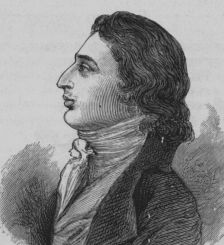
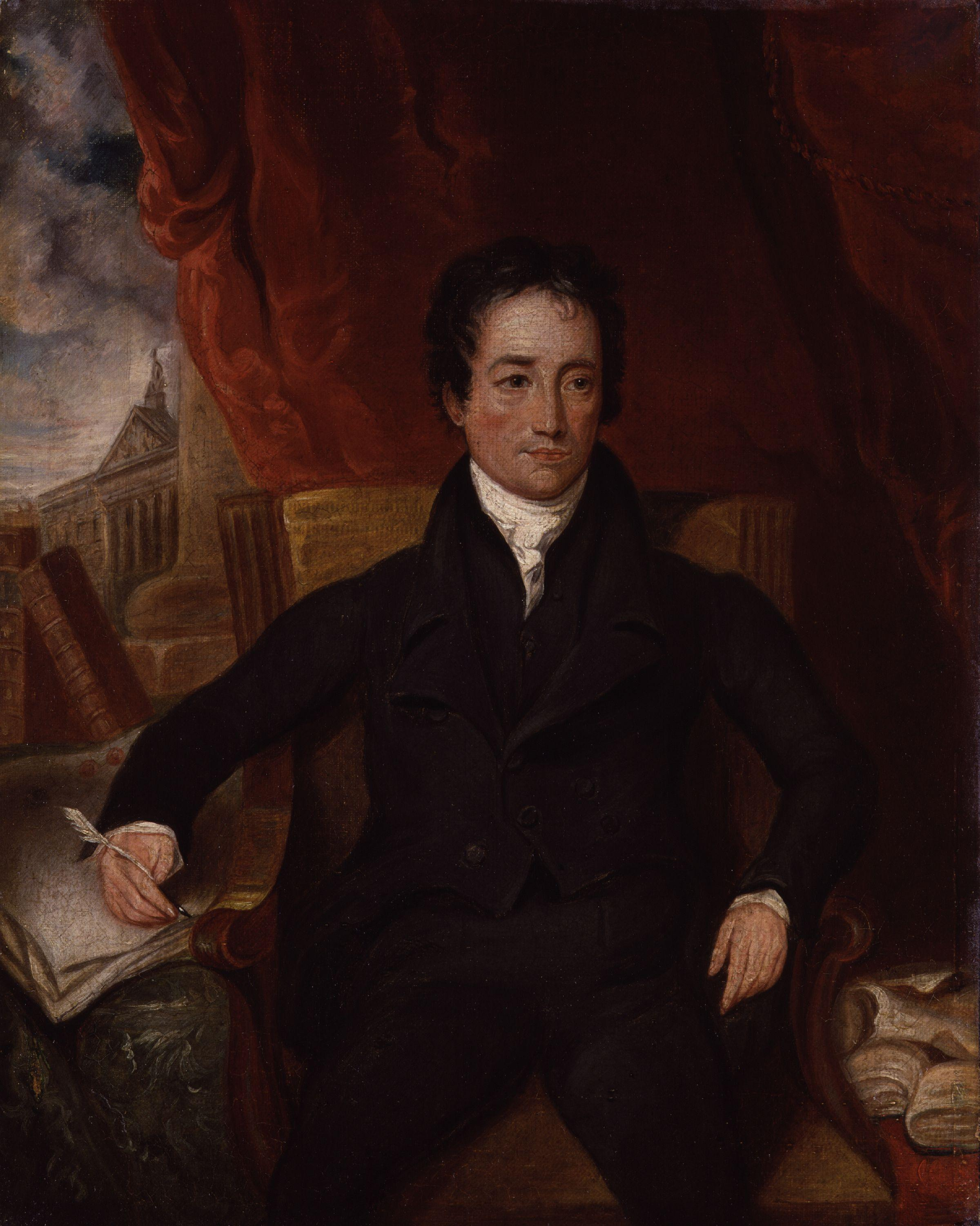
William Roscoe
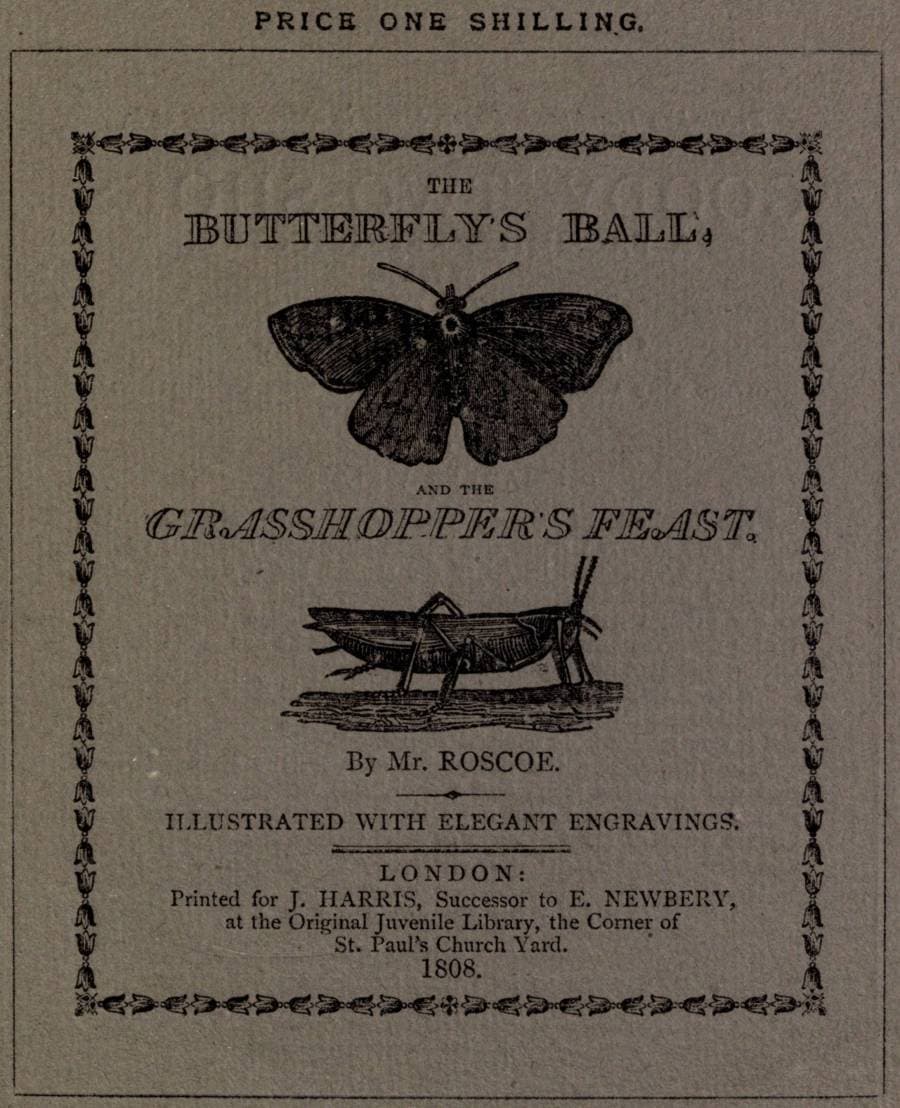
William Roscoe was an English banker, lawyer, and politician who emerged as one of the early advocates for the abolition of slavery in England. His literary contributions include the beloved children's poem, "The Butterfly's Ball, and the Grasshopper's Feast," which showcased his ability to engage young readers with whimsical themes and moral lessons. Beyond his literary pursuits, Roscoe was a respected historian and art collector, reflecting his diverse interests and intellectual pursuits throughout his life. Roscoe's significance extends beyond his literary works; he played a crucial role in the early abolitionist movement, advocating for the end of the transatlantic slave trade. His efforts in this area positioned him as a key figure in the fight for social justice during a time of significant moral and political change in Britain. His legacy is marked not only by his contributions to literature and history but also by his commitment to humanitarian causes, making him a notable figure in the cultural and political landscape of his time.
Famous Quotes
View all 16 quotes“Well-lit streets discourage sin, but don't overdo it.””
“Roscoe was spiritually illegal, a bootlegger of the soul, a mythic creature made of words and wit and wild deeds and boundless memory.””
“Only a bet on the impossible makes sense. It is an act of faith and courage requiring an irrational leap over reason. A man wins simply by making such a bet.””
Books from the author


Link to this page
Add a free, dofollow link to Lex on your blog, forum, syllabus, or reading list.

<a href="https://lex-books.com/author/william-roscoe"><img src="https://lex-books.com/badges/read-on-lex.svg" alt="William Roscoe on Lex" width="160" height="40"></a>[](https://lex-books.com/author/william-roscoe)[url=https://lex-books.com/author/william-roscoe][img]https://lex-books.com/badges/read-on-lex.svg[/img][/url]William Roscoe on Lex: https://lex-books.com/author/william-roscoe