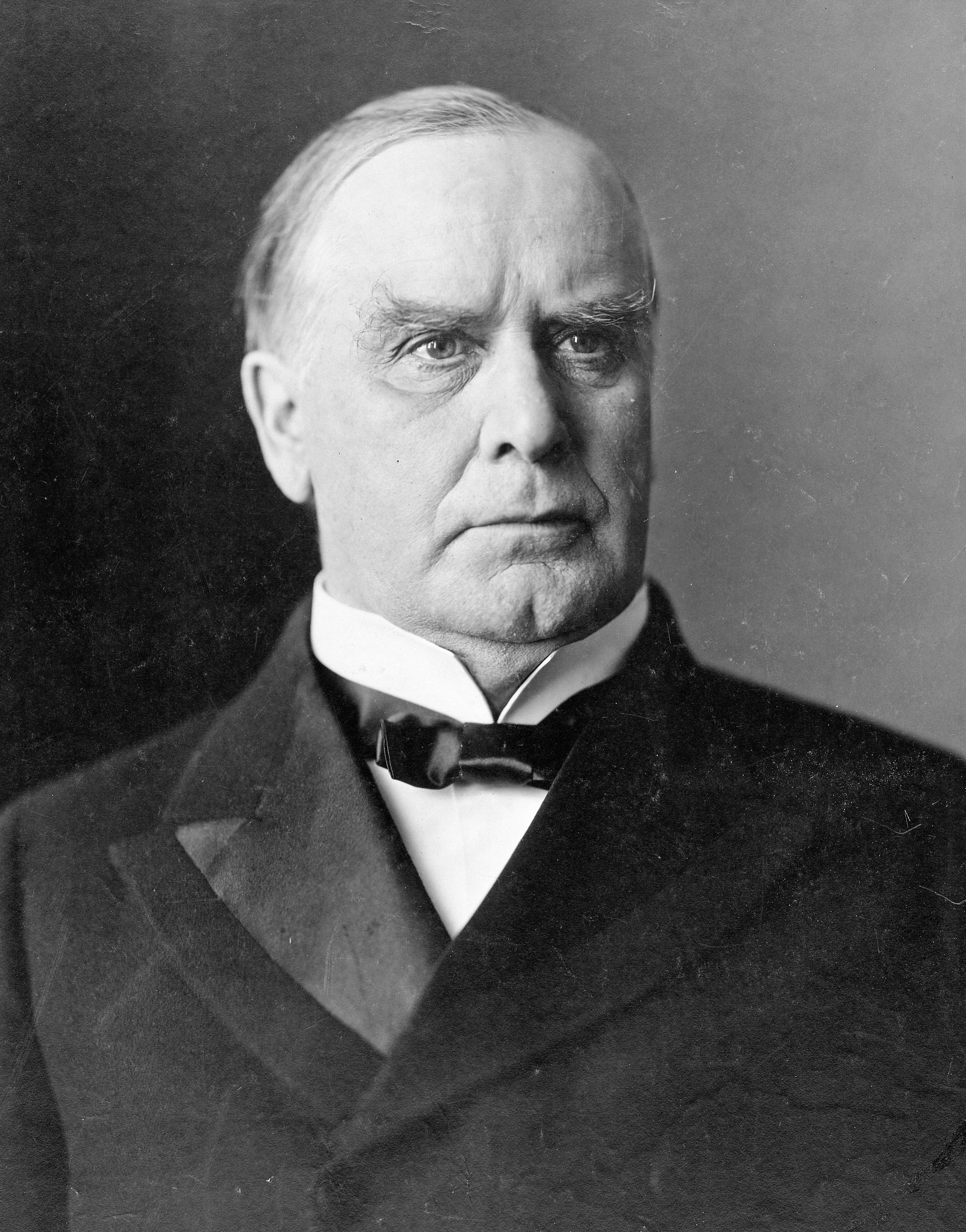
William McKinley
William McKinley was the 25th president of the United States, serving from 1897 until his assassination in 1901. A prominent figure in the Republican Party, he played a crucial role in reshaping the political landscape of the late 19th century, establishing Republican dominance in industrial states. McKinley, who began his career as a soldier in the American Civil War, transitioned into law and politics, serving in Congress where he became known for his advocacy of protective tariffs. His controversial McKinley Tariff of 1890 aimed to bolster American industry but ultimately contributed to his temporary political downfall. However, he rebounded to serve two terms as governor of Ohio, where he navigated the complexities of labor and capital interests with a moderate approach. Elected president during a period of economic turmoil, McKinley championed policies that favored economic growth and expansionism. His presidency was marked by the Spanish-American War, which resulted in significant territorial acquisitions, including Hawaii, Puerto Rico, Guam, and the Philippines. McKinley's commitment to the gold standard and protective tariffs, exemplified by the Dingley Tariff of 1897 and the Gold Standard Act of 1900, aimed to stabilize the economy and protect American workers. His leadership during this transformative era solidified his legacy as a key figure in American history, influencing the nation's trajectory into the 20th century and beyond.
Famous Quotes
View all 5 quotes“The more profoundly we study this wonderful book [the Bible], and the more closely we observe its divine precept, the better citizens we will become and the higher will be our destiny as a nation.””
“The mission of the United States is one of benevolent assimilation.””
“That’s all a man can hope for during his lifetime – to set an example – and when he is dead, to be an inspiration for history.””
Books from the author
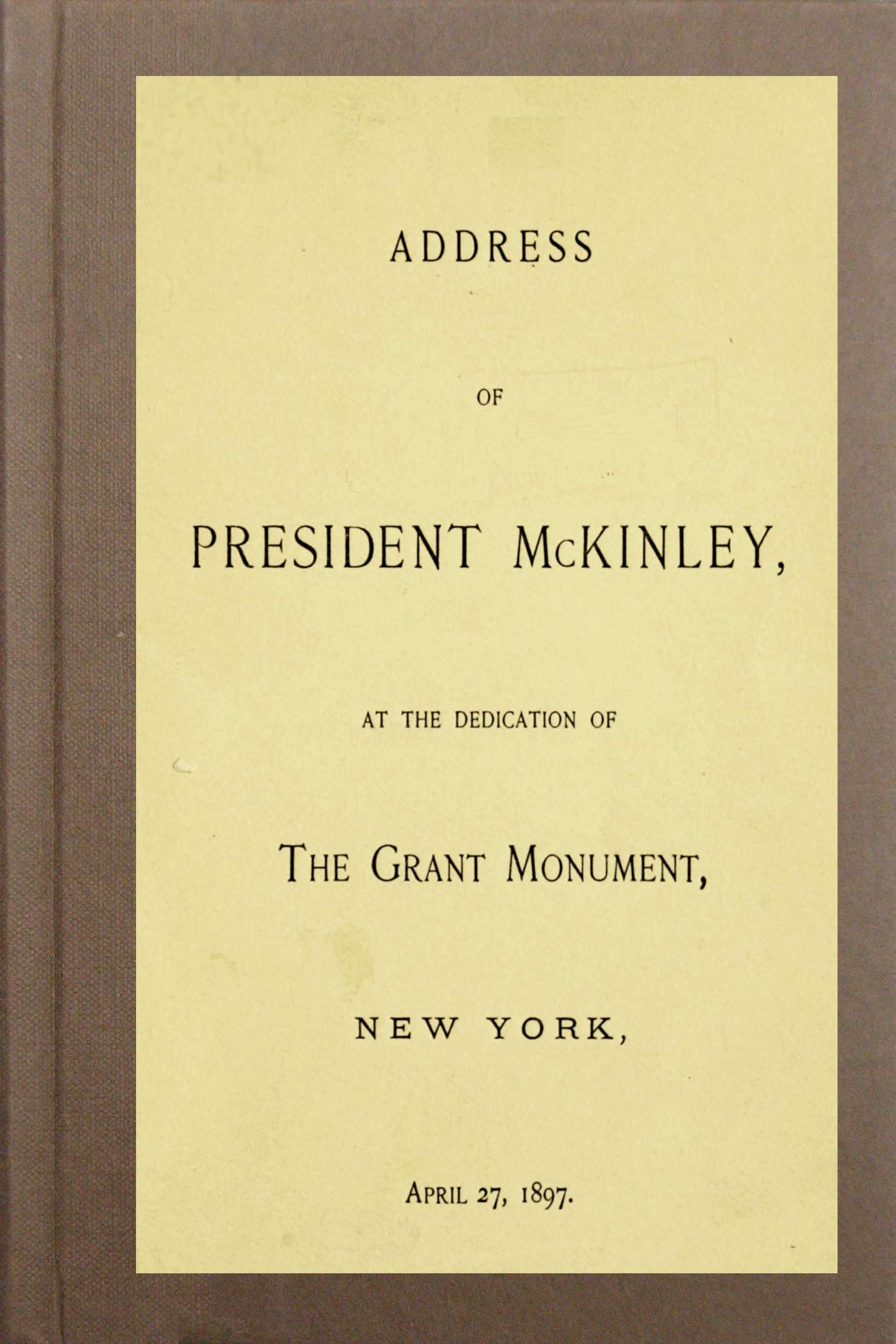



Link to this page
Add a free, dofollow link to Lex on your blog, forum, syllabus, or reading list.

<a href="https://lex-books.com/author/william-mckinley"><img src="https://lex-books.com/badges/read-on-lex.svg" alt="William McKinley on Lex" width="160" height="40"></a>[](https://lex-books.com/author/william-mckinley)[url=https://lex-books.com/author/william-mckinley][img]https://lex-books.com/badges/read-on-lex.svg[/img][/url]William McKinley on Lex: https://lex-books.com/author/william-mckinley