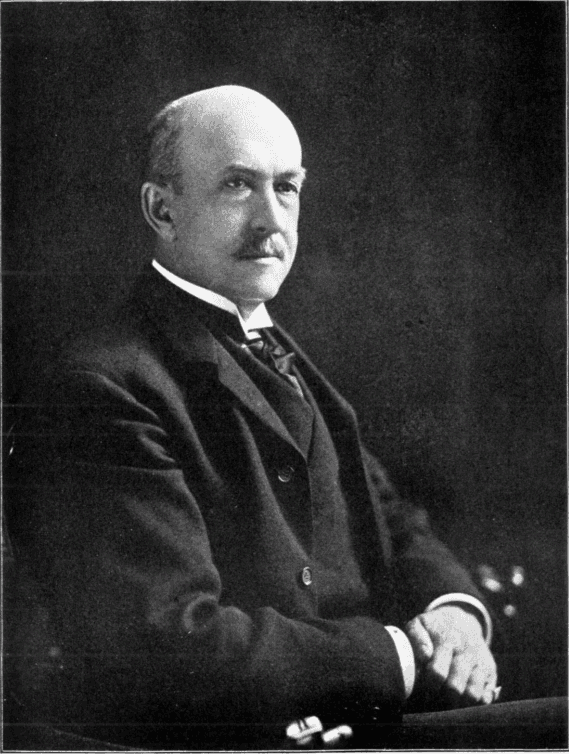
William Graham Sumner
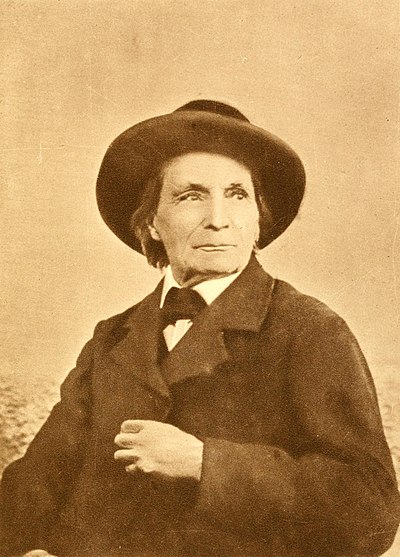
William Graham Sumner was an influential American clergyman and social scientist, recognized for his pioneering role in the field of sociology at Yale University, where he held the first professorship in the discipline. His extensive writings encompassed a range of topics including ethics, American history, economic history, political theory, sociology, and anthropology. Sumner was a staunch advocate of laissez-faire economics and free markets, and he notably coined the term 'ethnocentrism' to critique the roots of imperialism, which he vehemently opposed. His work emphasized the importance of individual liberty and the dangers of elitism, championing the cause of the 'forgotten man'—a concept he introduced to highlight the struggles of the middle class against the encroachments of government and societal elites. Sumner's contributions to social thought and his critique of social Darwinism positioned him as a significant figure in the development of American conservatism. His legacy endures through his writings and teachings, which continue to influence discussions on economics, sociology, and political theory. By advocating for a society that prioritizes individual rights and responsibilities, Sumner left an indelible mark on the intellectual landscape of his time, shaping the discourse around the role of government and the importance of personal agency in a rapidly changing world.
Famous Quotes
View all 3 quotes“The critical habit of thought, if usual in society, will pervade all its mores, because it is a way of taking up the problems of life. Men educated in it cannot be stampeded by stump orators ... They are slow to believe. They can hold things as possible or probable in all degrees, without certainty and without pain. They can wait for evidence and weigh evidence, uninfluenced by the emphasis or confidence with which assertions are made on one side or the other. They can resist appeals to their dearest prejudices and all kinds of cajolery. Education in the critical faculty is the only education of which it can be truly said that it makes good citizens.”
“All history is only one long story to this effect: men have struggled for power over their fellow-men in order that they might win the joys of earth at the expense of others and might shift the burdens of life from their own shoulders upon those of others.”
“There is no device whatever to be invented for securing happiness without industry, economy, and virtue.”
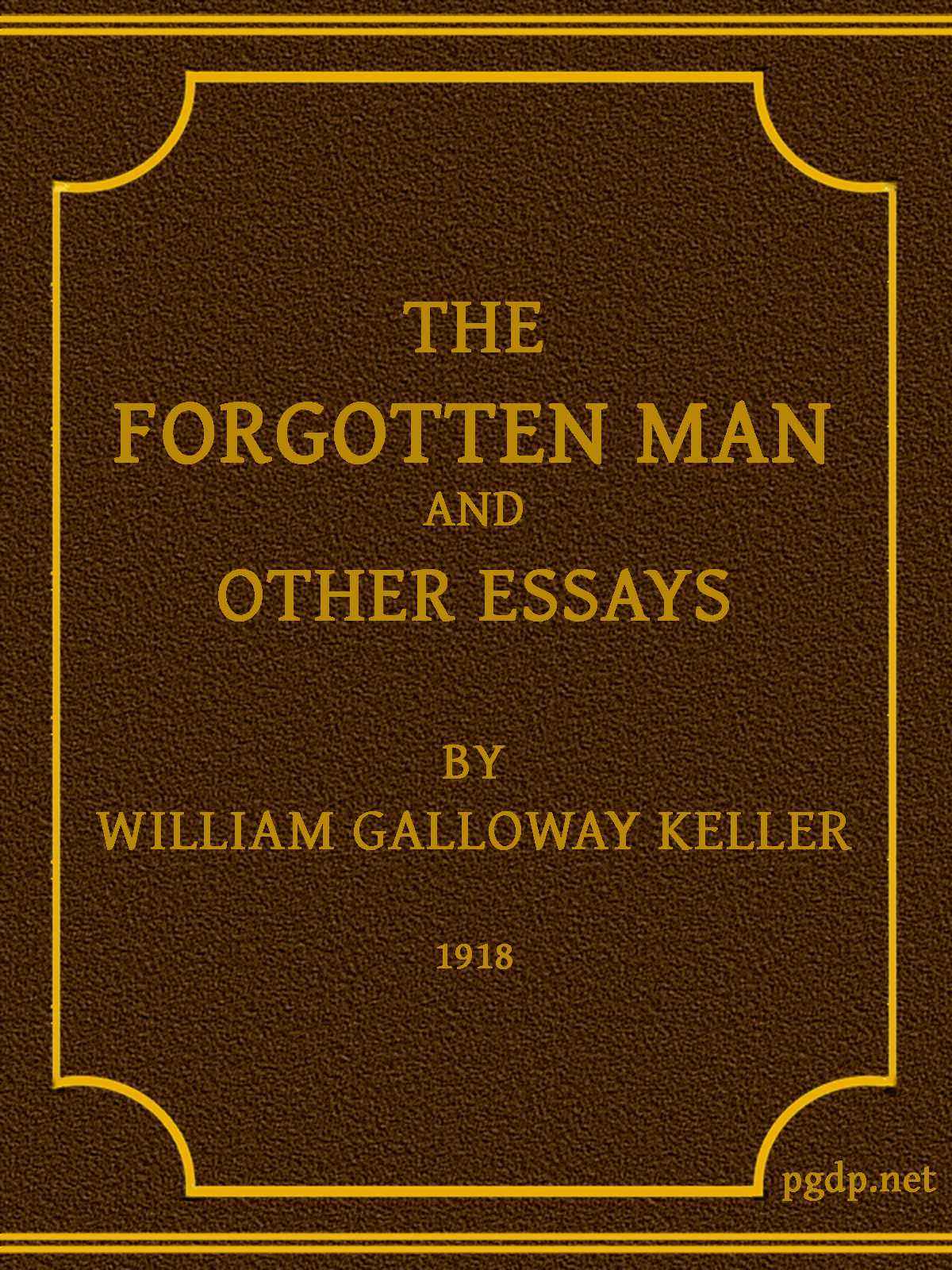
Books from the author



Link to this page
Add a free, dofollow link to Lex on your blog, forum, syllabus, or reading list.

<a href="https://lex-books.com/author/william-graham-sumner"><img src="https://lex-books.com/badges/read-on-lex.svg" alt="William Graham Sumner on Lex" width="160" height="40"></a>[](https://lex-books.com/author/william-graham-sumner)[url=https://lex-books.com/author/william-graham-sumner][img]https://lex-books.com/badges/read-on-lex.svg[/img][/url]William Graham Sumner on Lex: https://lex-books.com/author/william-graham-sumner