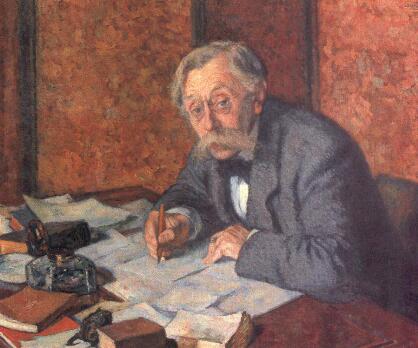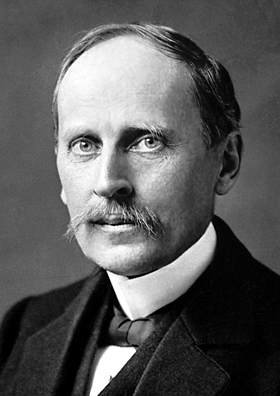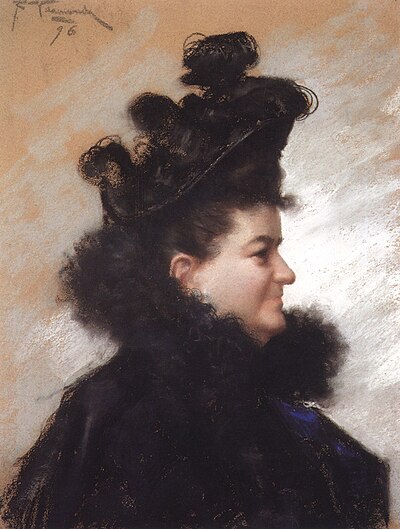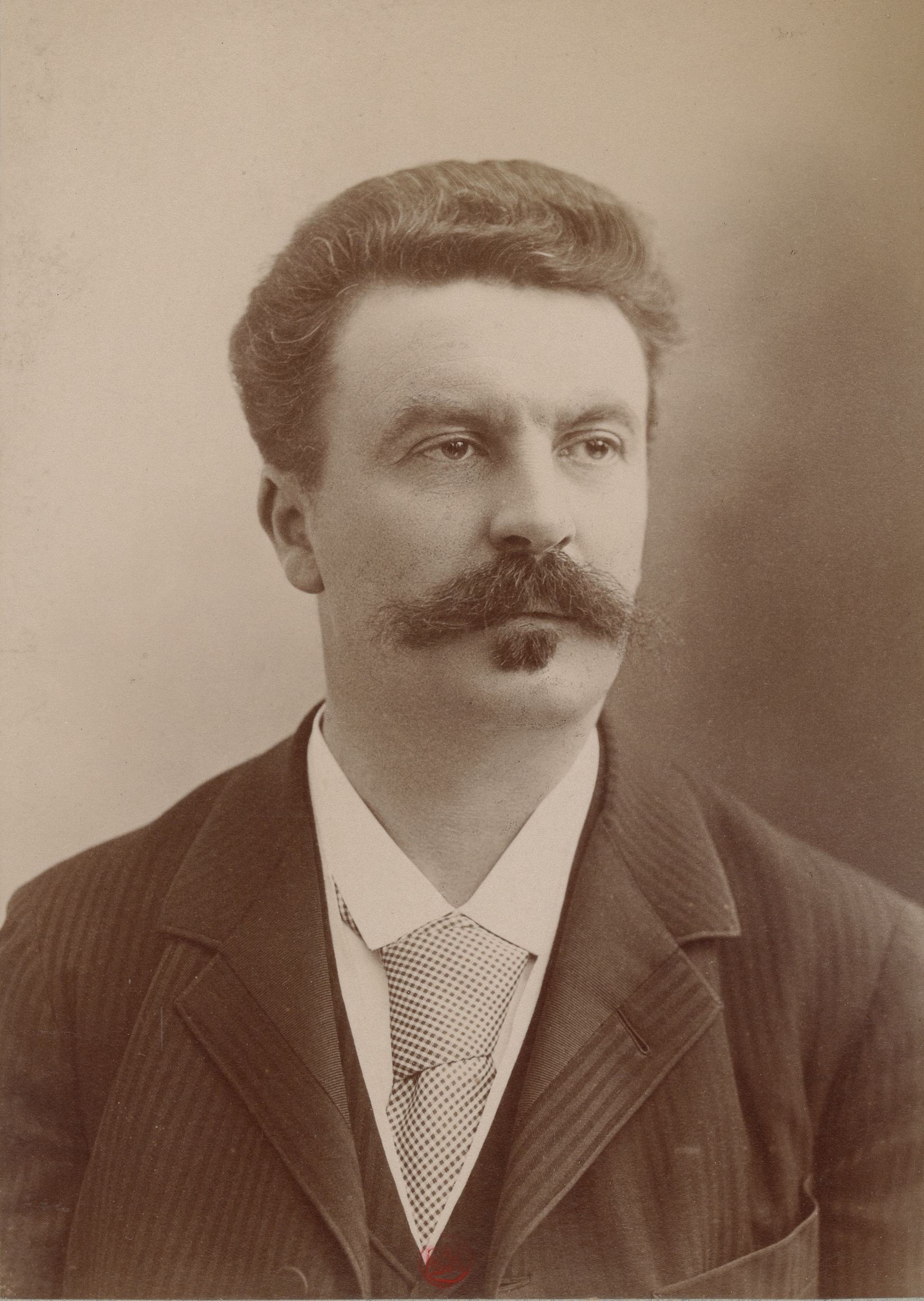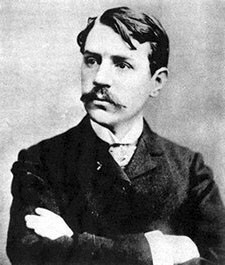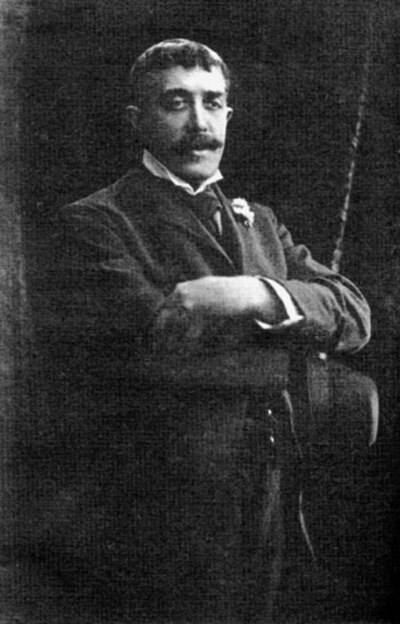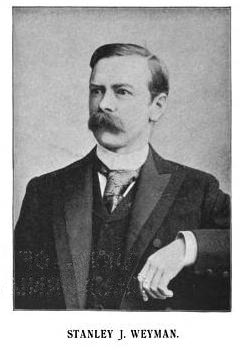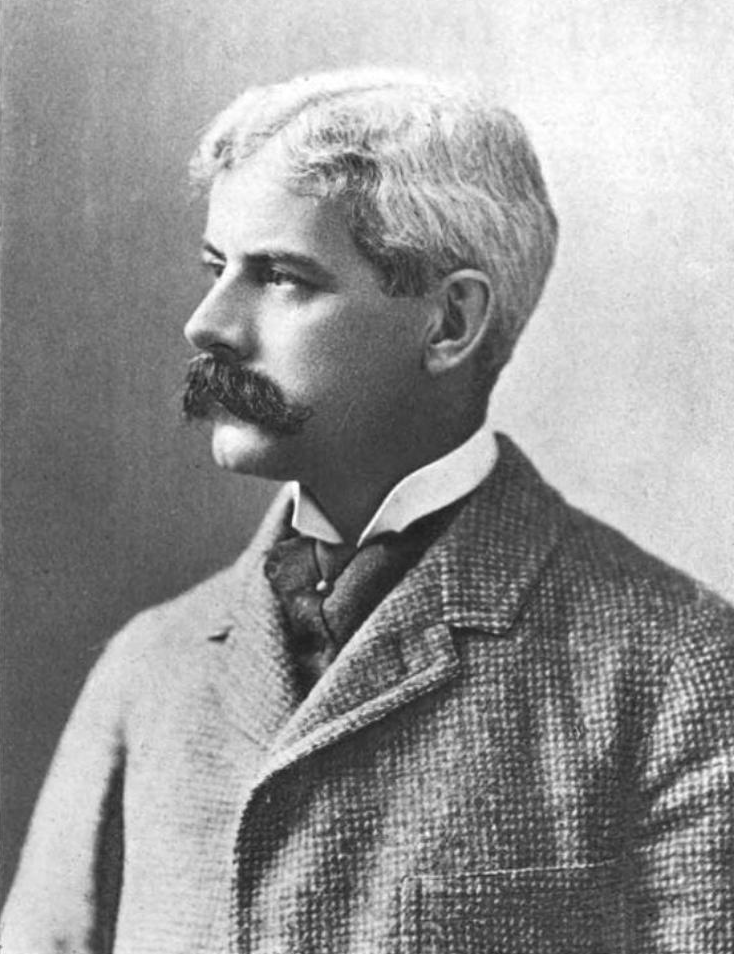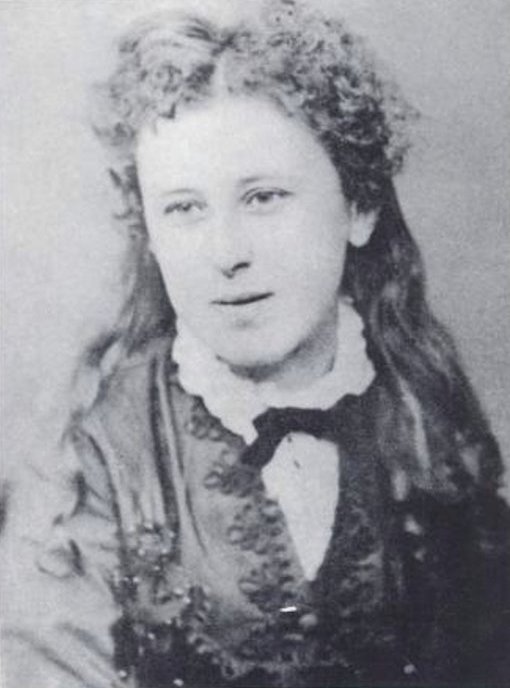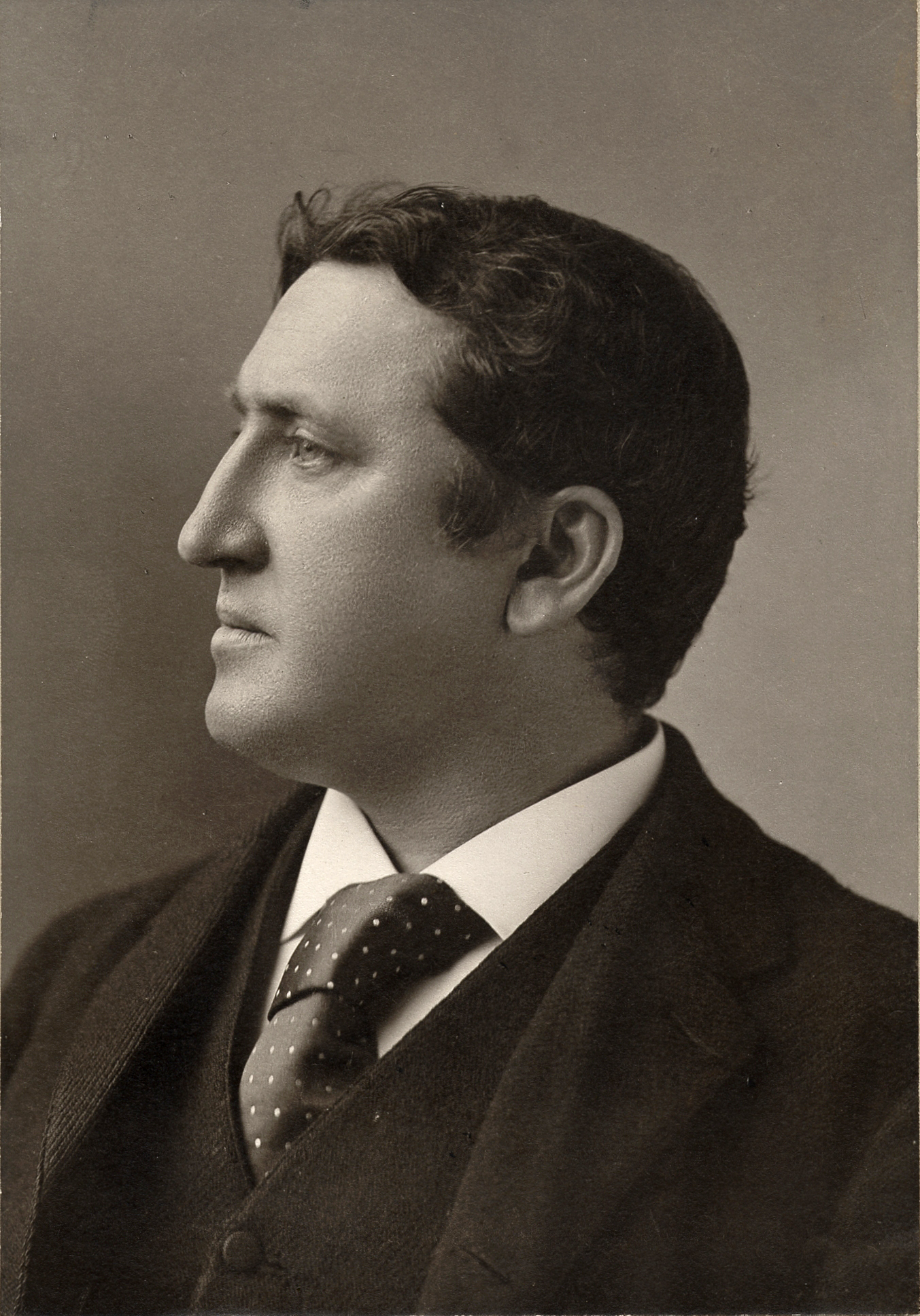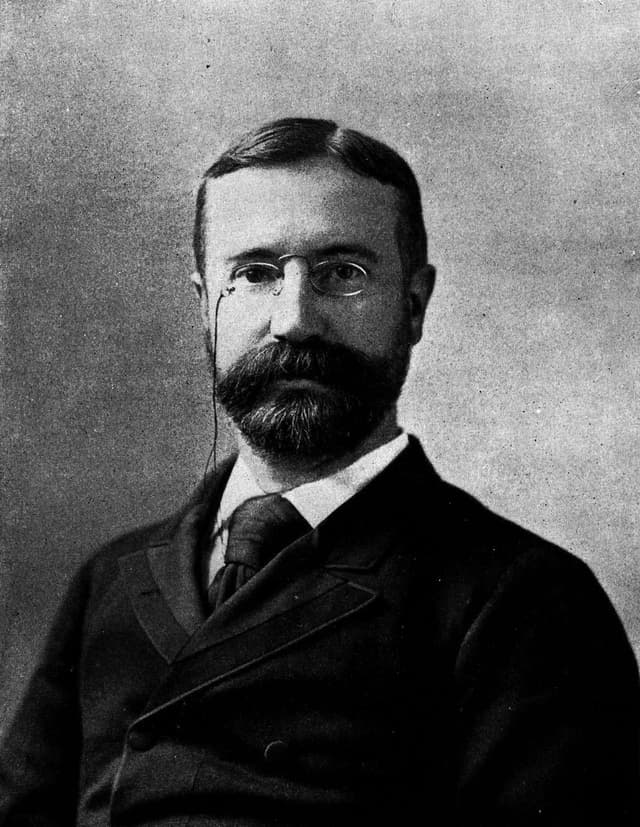
W. C. Brownell
W. C. Brownell was an influential American literary critic and essayist, known for his sharp insights into American literature and culture. He was a prominent figure in the late 19th and early 20th centuries, contributing to the understanding of the American literary landscape through his critical essays and reviews. Brownell's work often focused on the interplay between literature and society, examining how cultural contexts shaped literary expression. His notable works include 'American Prose' and 'The New Spirit,' where he articulated a vision for a distinctly American literary voice, emphasizing the importance of realism and the role of the writer in society. Brownell's significance lies in his role as a bridge between the American literary tradition and European influences, advocating for a unique American identity in literature. He championed authors such as Mark Twain and Henry James, helping to elevate their status in the literary canon. His critiques were often marked by a blend of admiration and rigorous analysis, making him a respected figure among his contemporaries. Through his writings, Brownell not only shaped the discourse around American literature but also left a lasting legacy that influenced future generations of critics and writers, solidifying his place in the history of American letters.