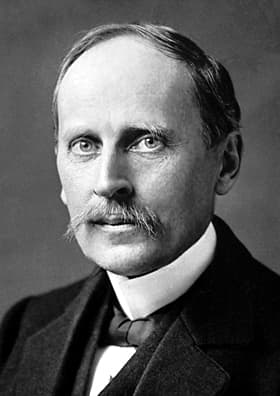
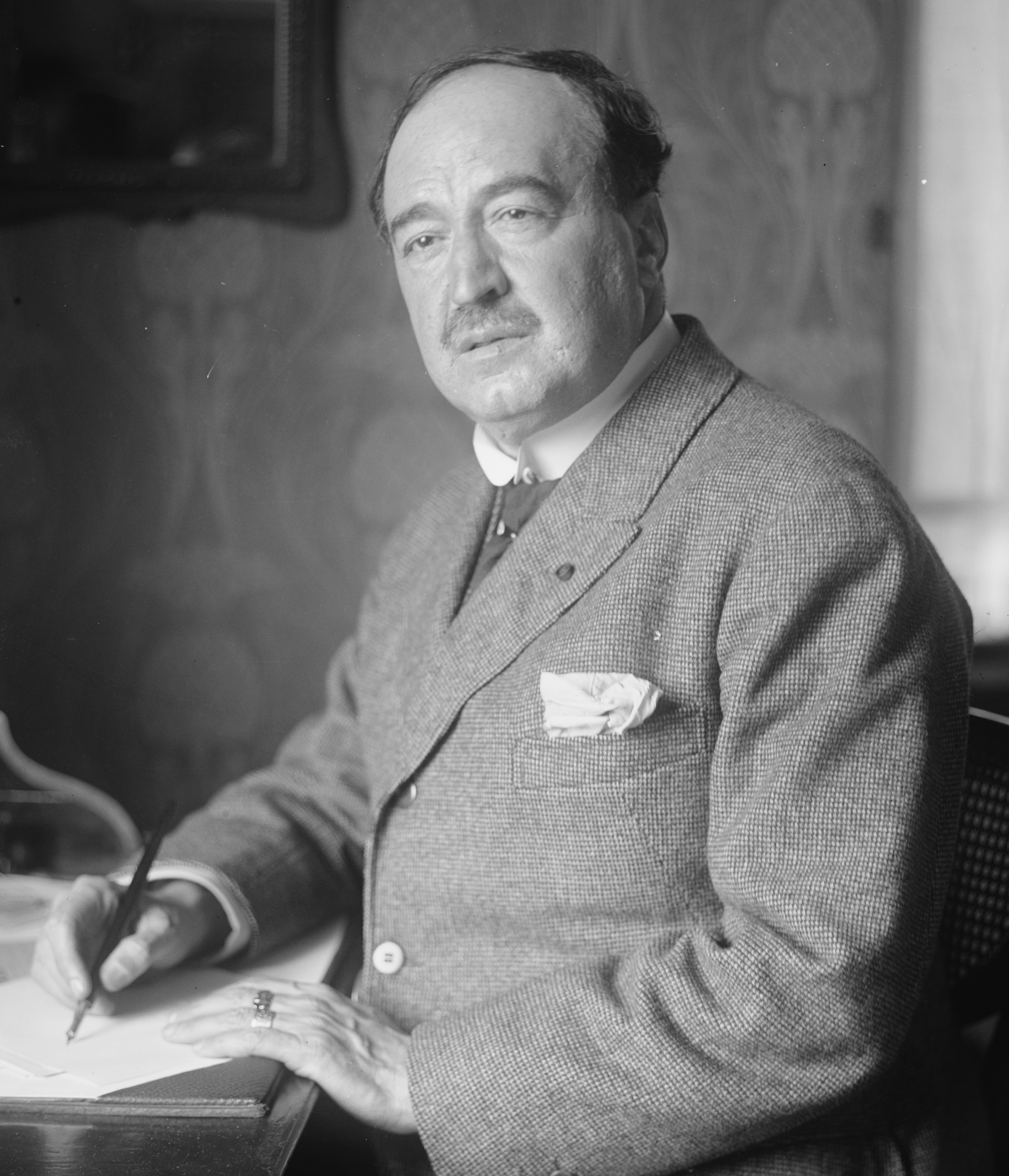
Romain Rolland
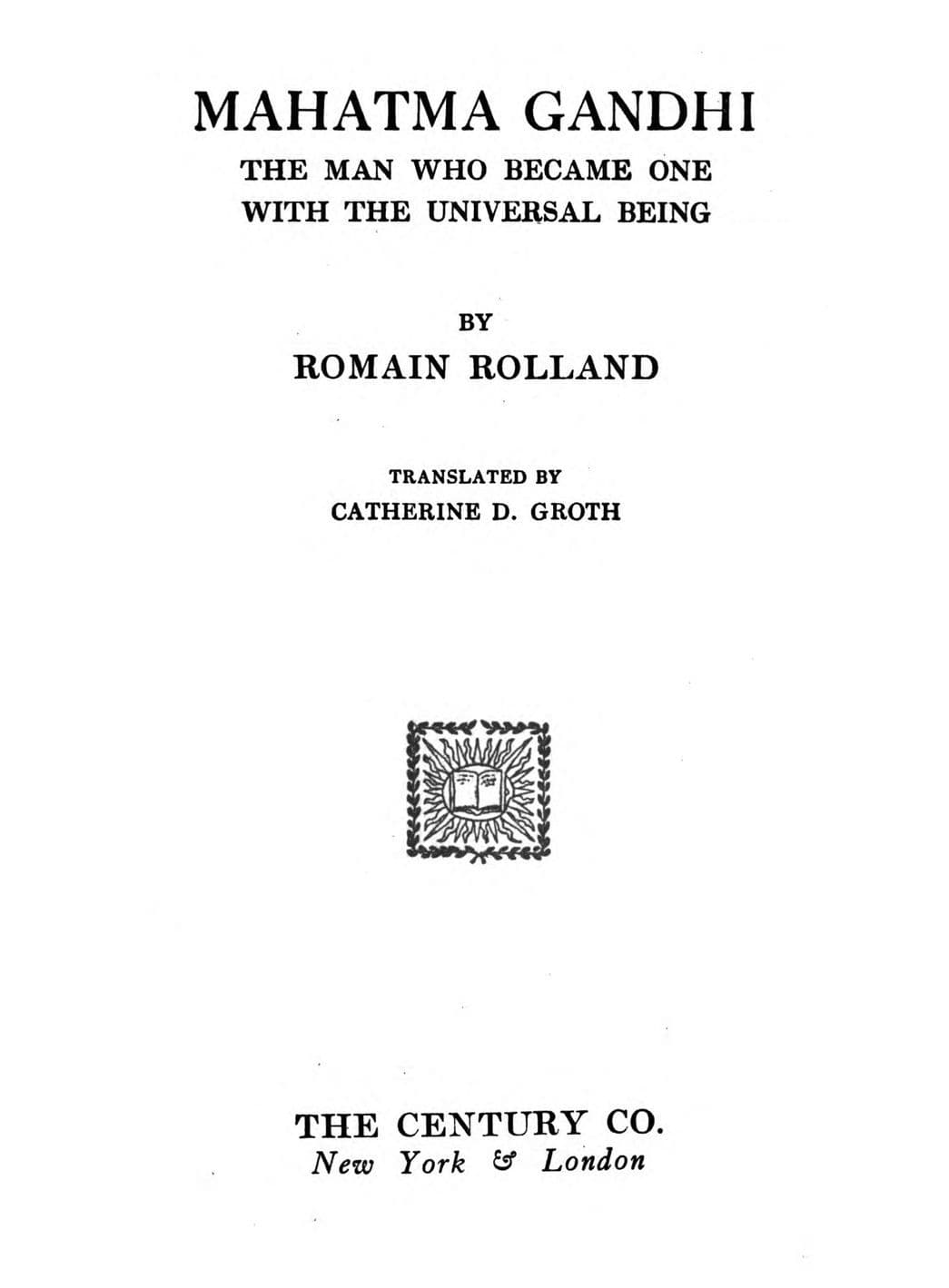
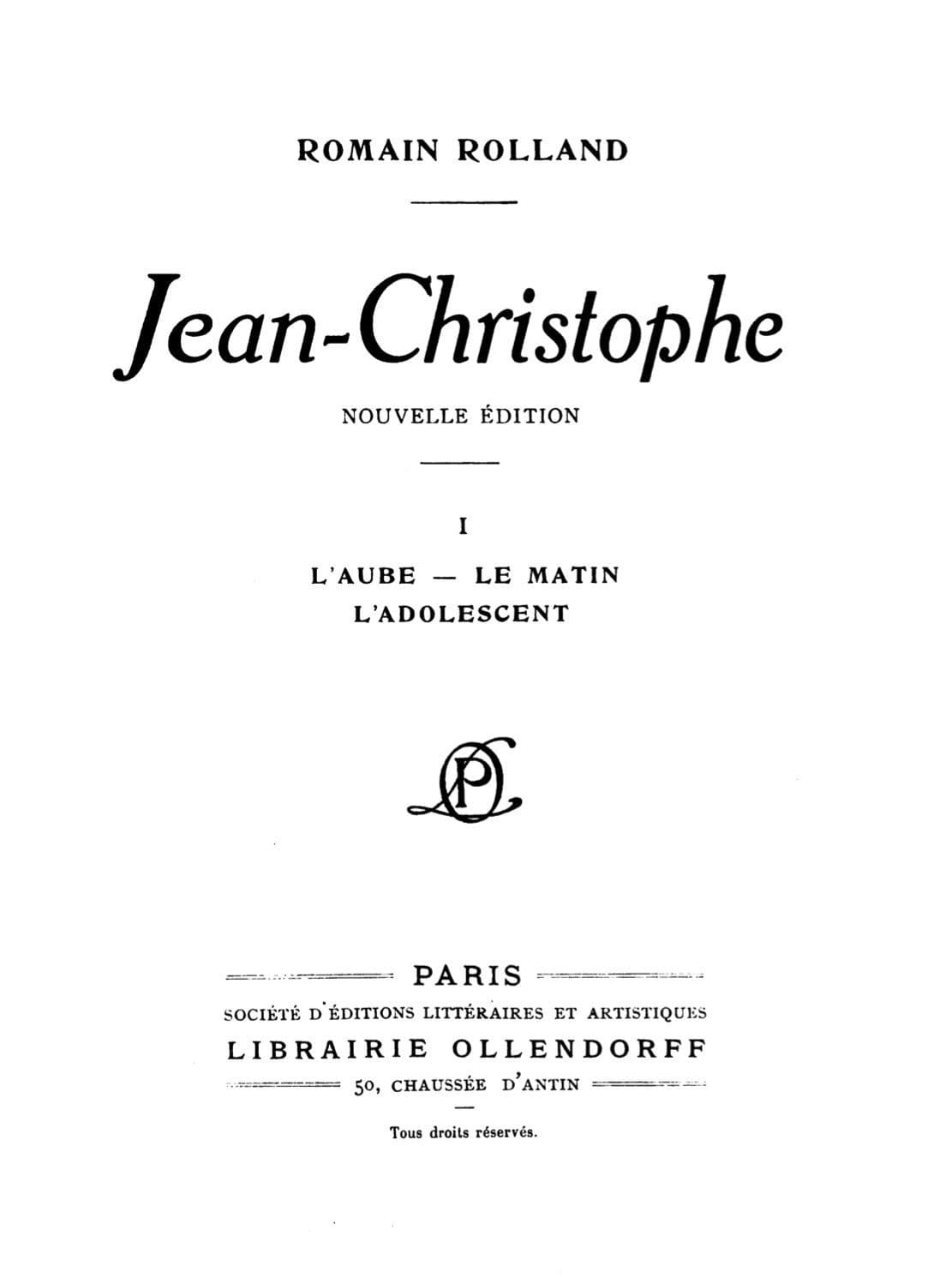
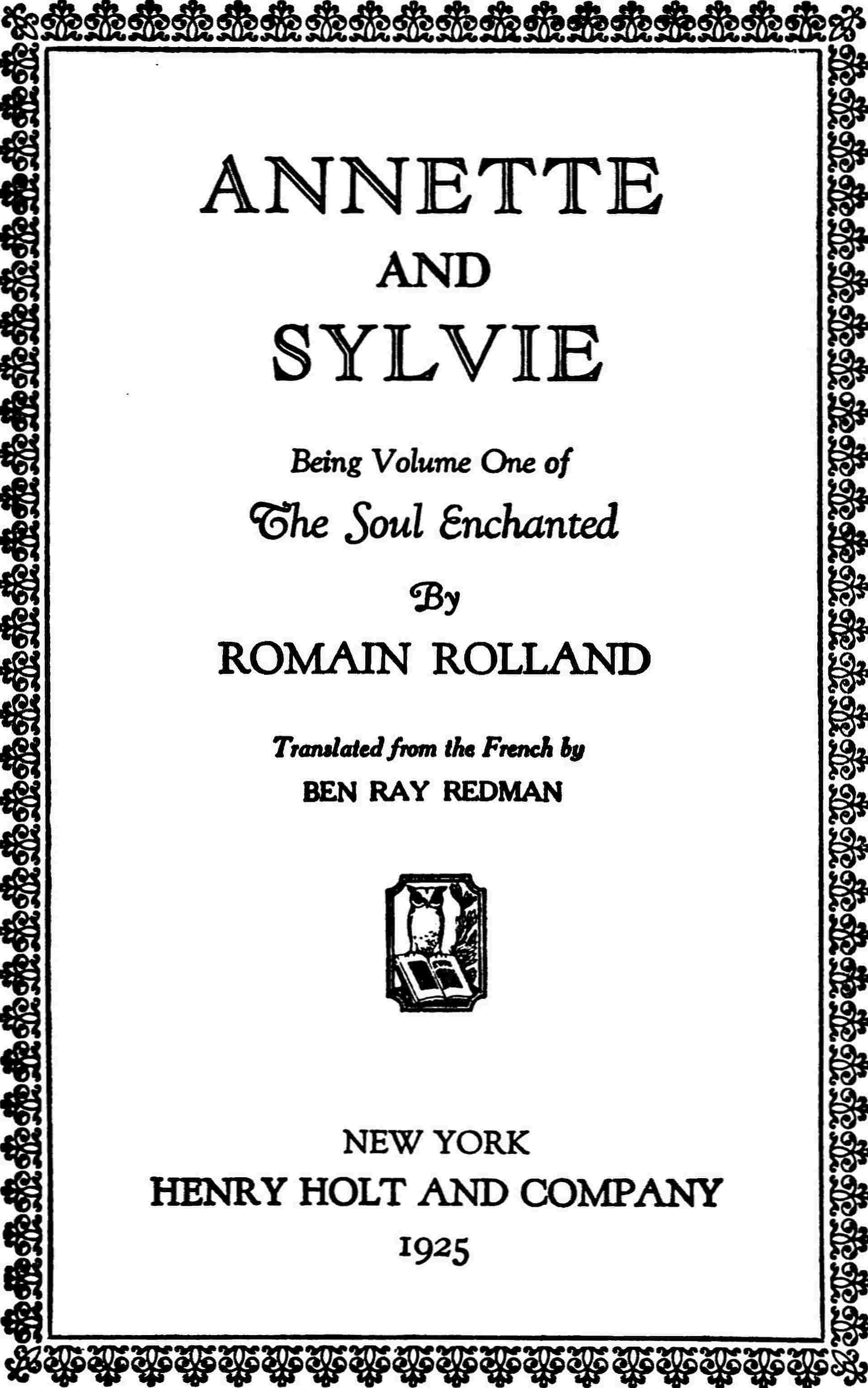
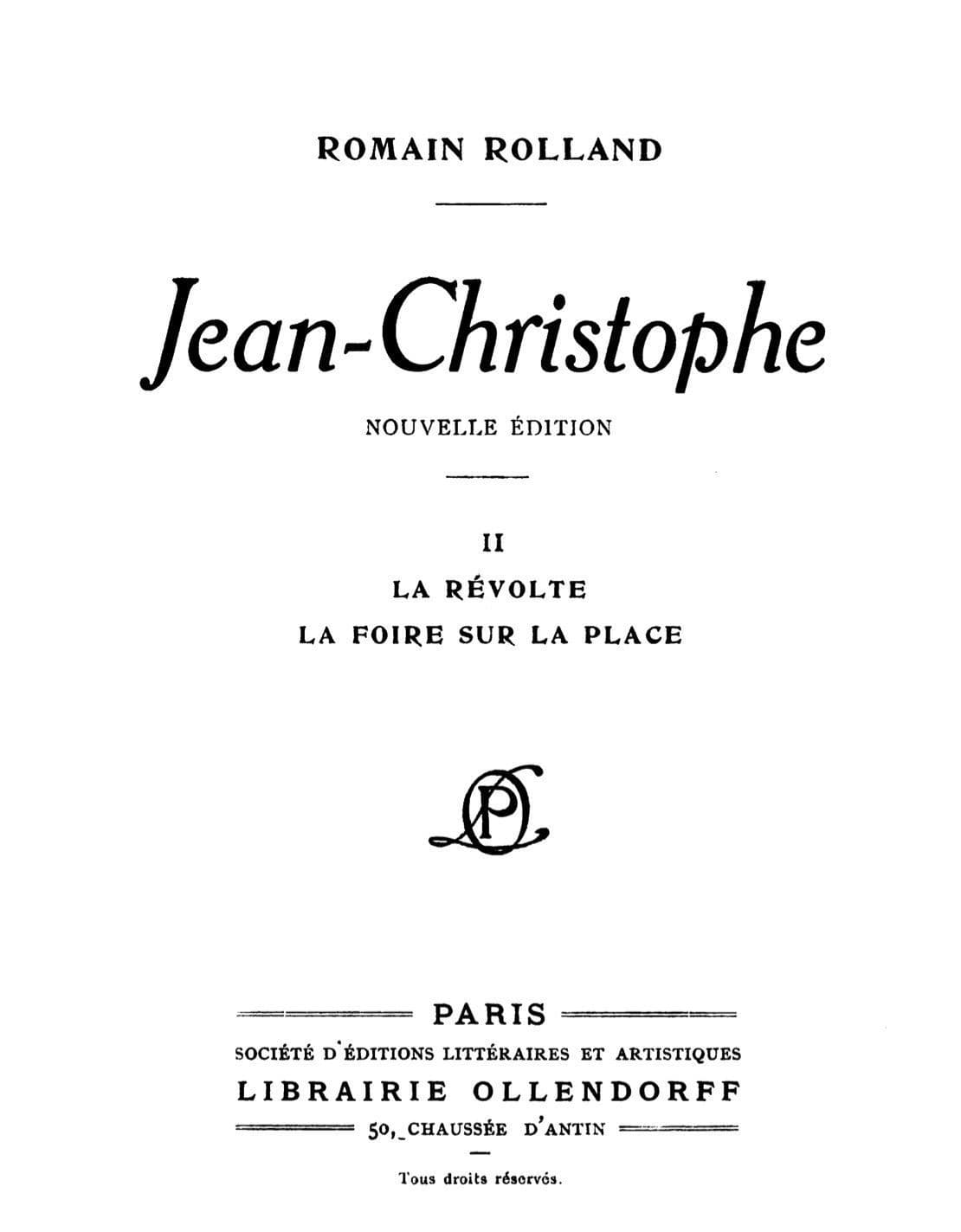
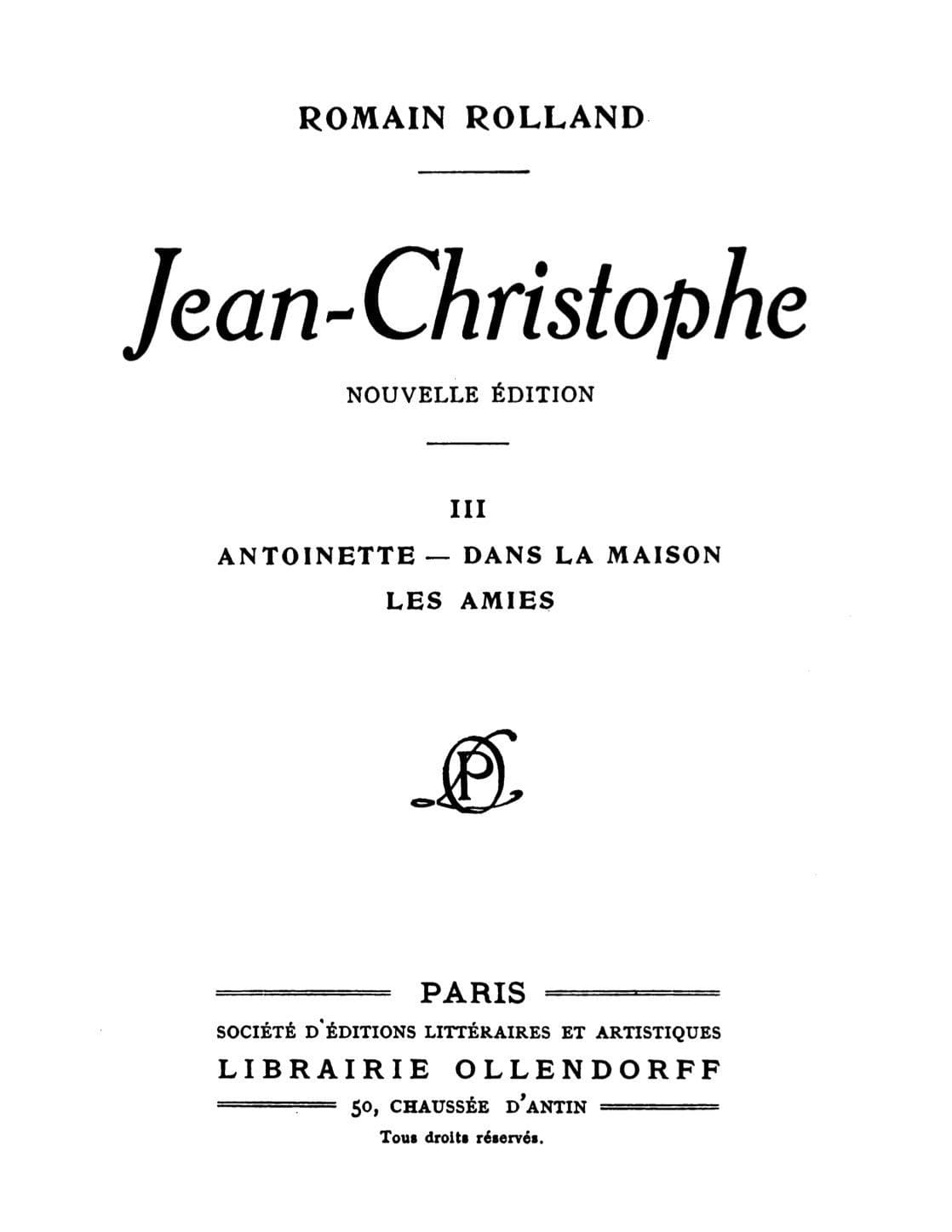
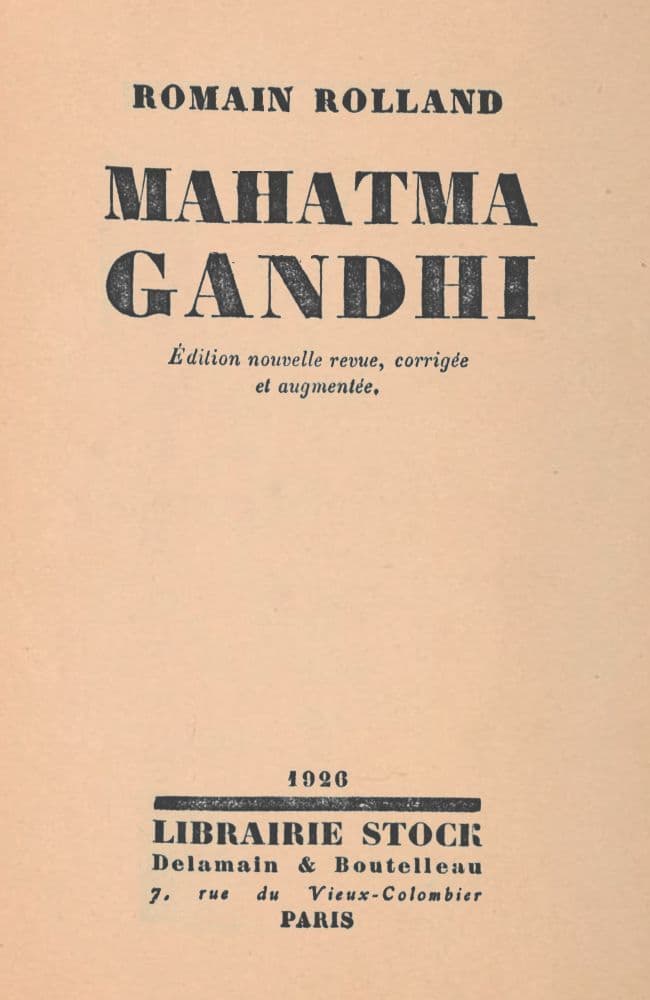
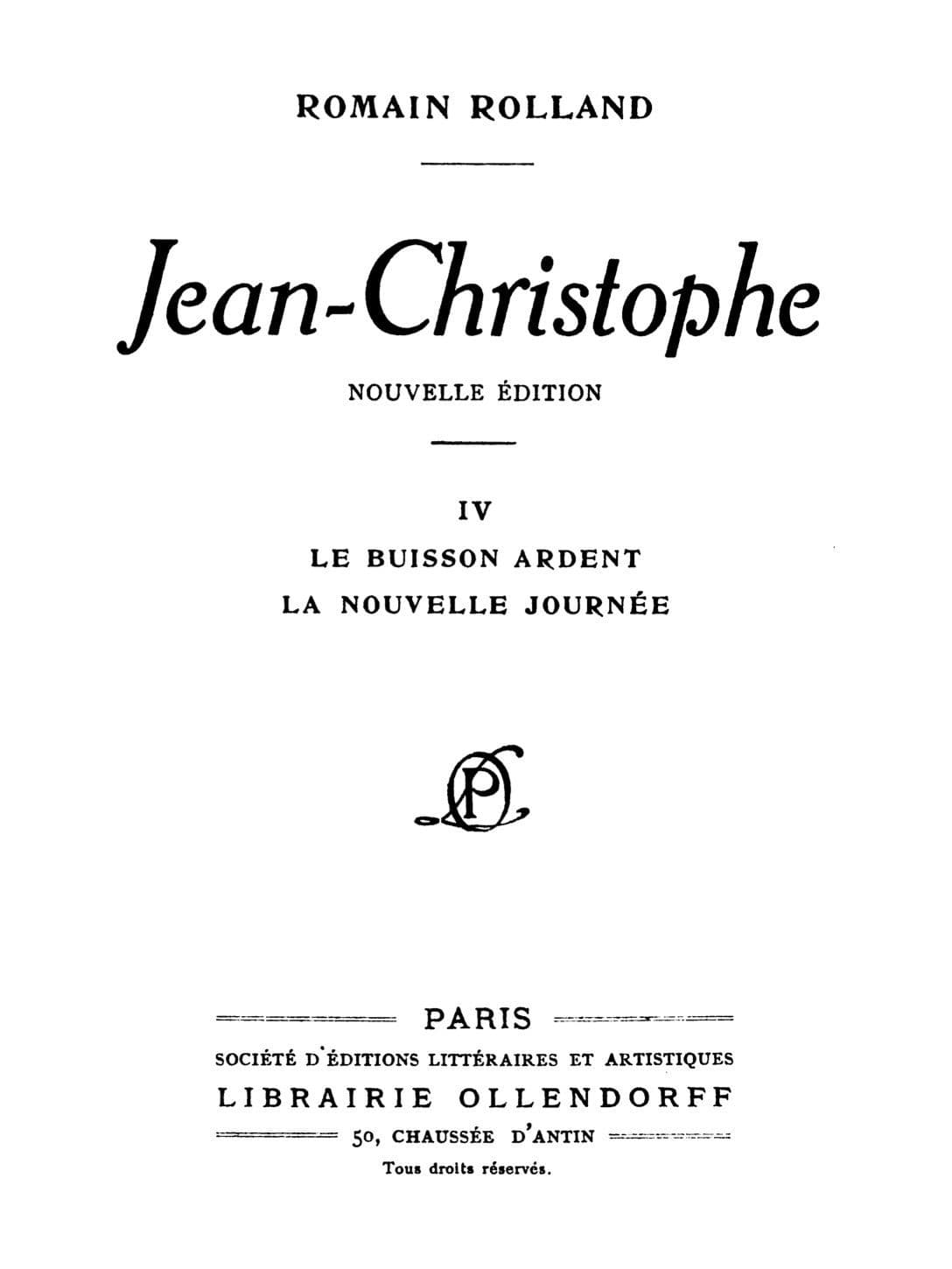
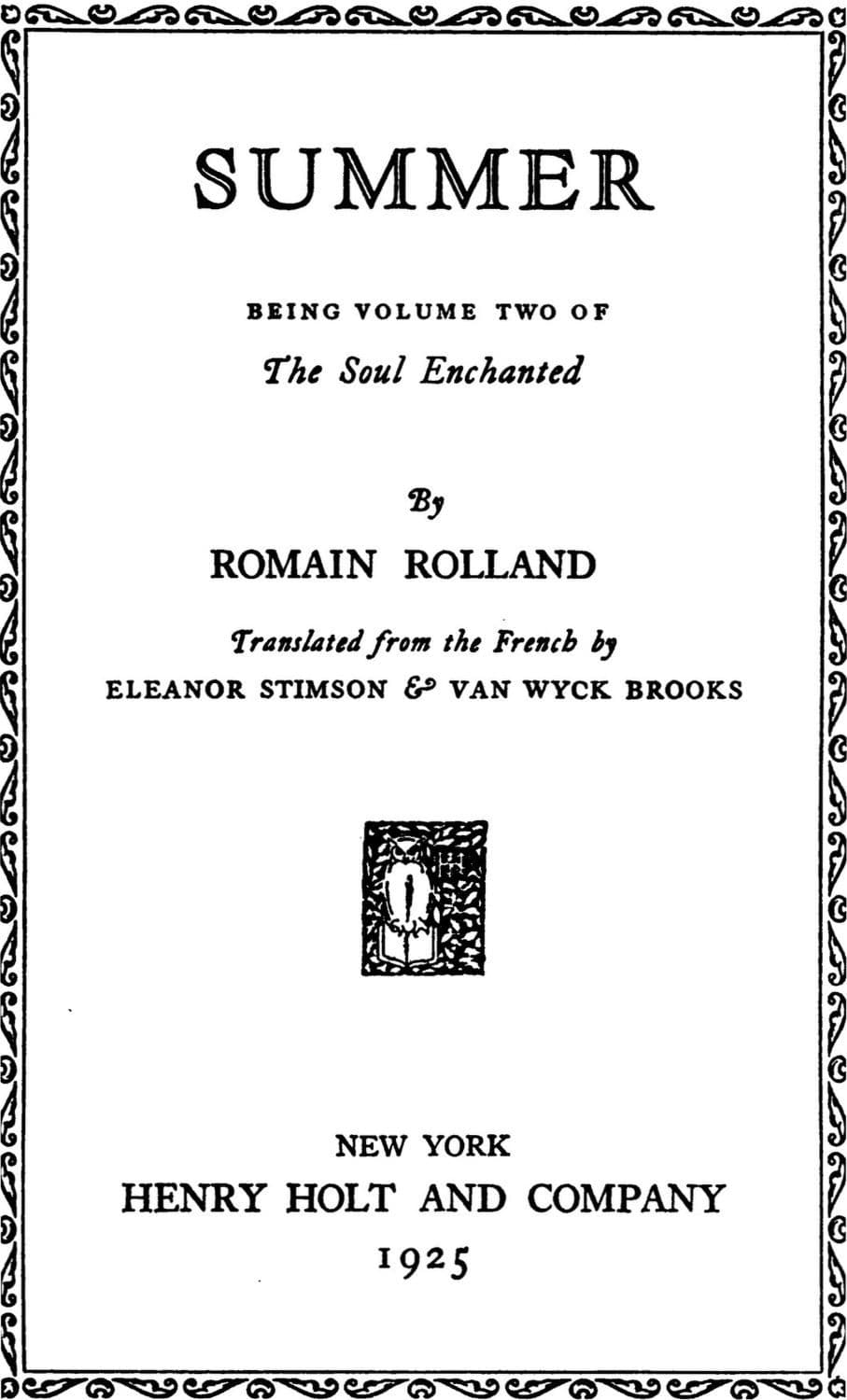
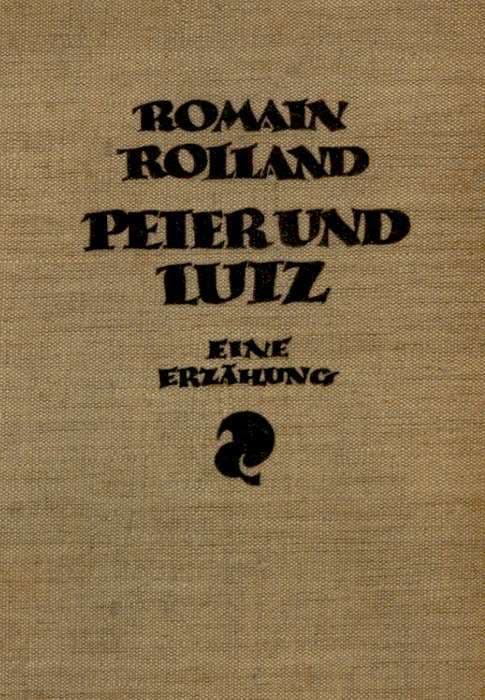
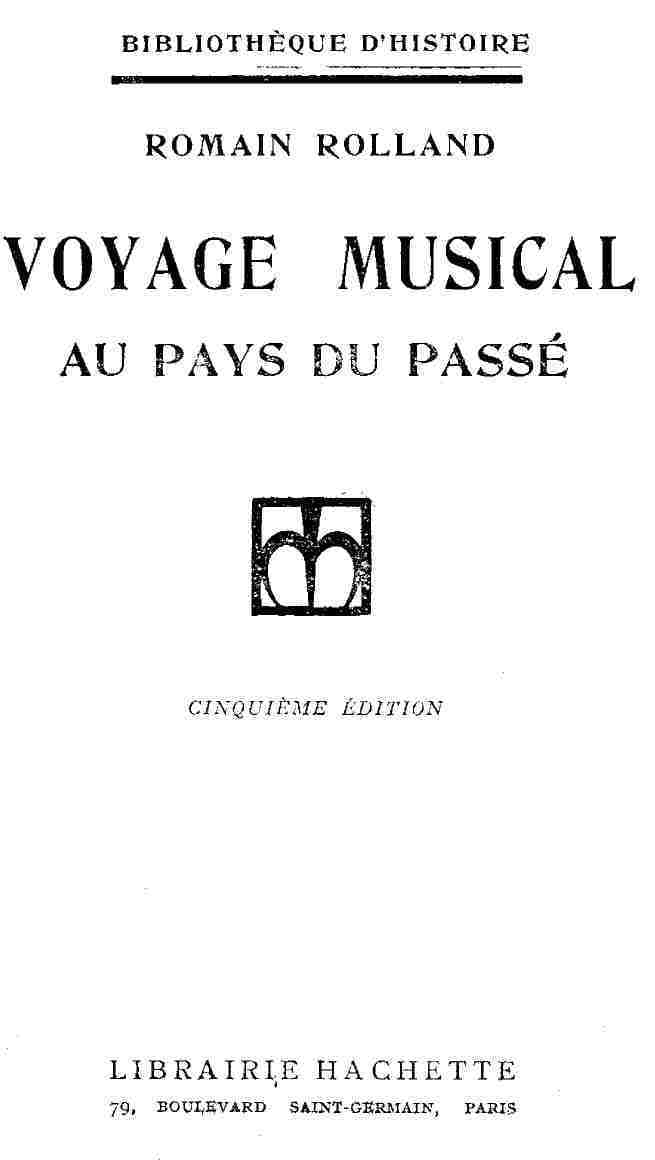
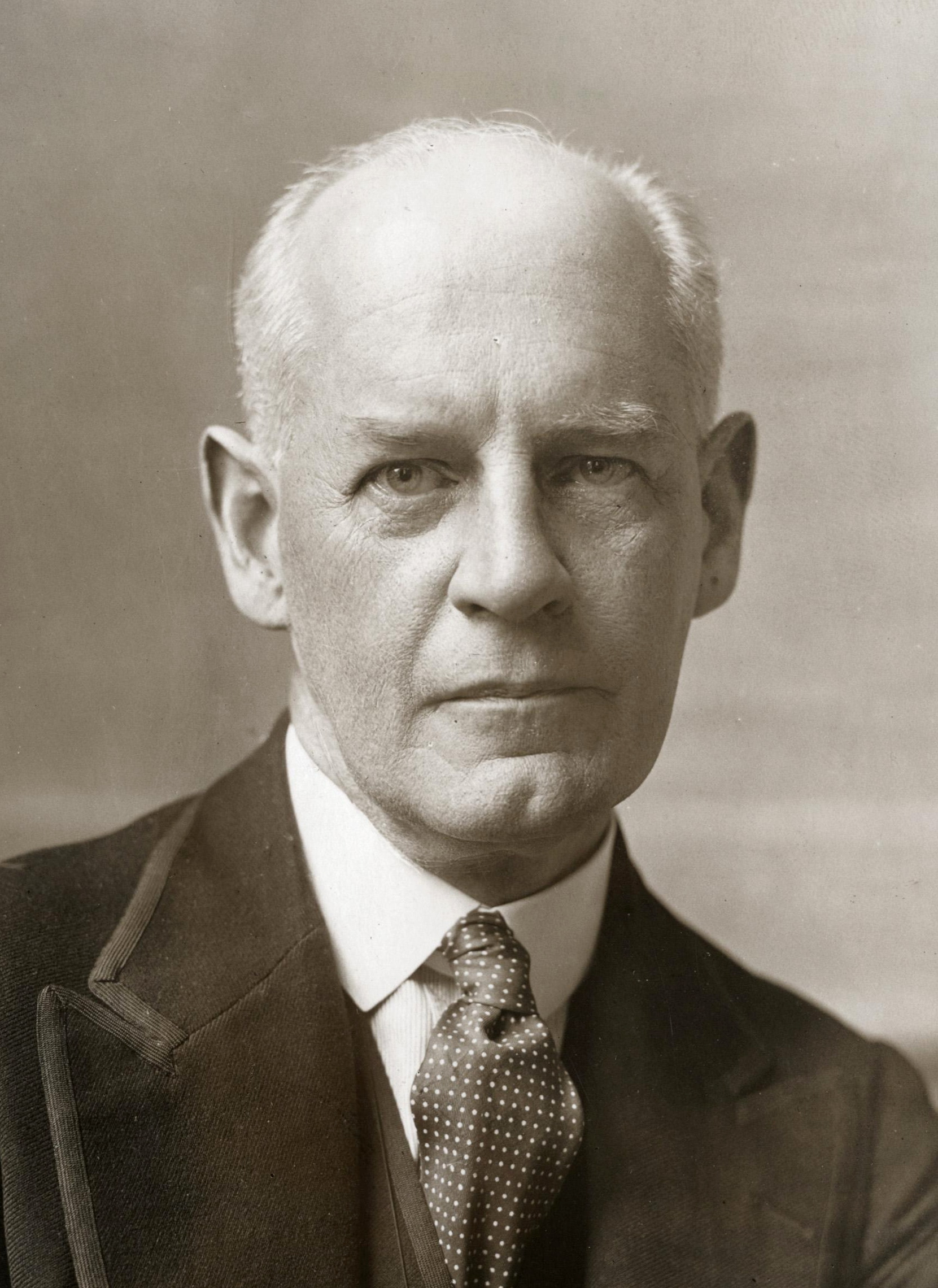
Romain Rolland was a multifaceted French writer known for his contributions as a dramatist, novelist, essayist, and art historian. He gained international recognition when he was awarded the Nobel Prize for Literature in 1915, a testament to the idealism and depth of his literary works. Rolland's writing often explored the complexities of human nature and the struggles of individuals against societal constraints, reflecting his deep empathy and commitment to truth. His notable works include the novel 'Jean-Christophe,' which chronicles the life of a young musician grappling with his artistic identity, and his biography of Mahatma Gandhi, which highlights the Indian leader's philosophy and impact on the world stage. Rolland's literary significance extends beyond his own writings; he was a central figure in the intellectual circles of his time, engaging in correspondence with prominent figures such as Maxim Gorki, Sigmund Freud, and Rabindranath Tagore. His admiration for Gandhi and Tagore underscored his belief in the power of non-violence and spirituality. Rolland's legacy lies in his ability to bridge cultural divides through literature and his unwavering commitment to humanistic ideals, making him a key figure in the early 20th-century literary landscape.
Famous Quotes
View all 18 quotes“Be reverent before the dawning day. Do not think of what will be in a year, or in ten years. Think of to-day.””
“If a man is to shed the light of the sun upon other men, he must first of all have it within himself.””
“Discussion is impossible with someone who claims not to seek the truth, but already to possess it.””
Books from the author

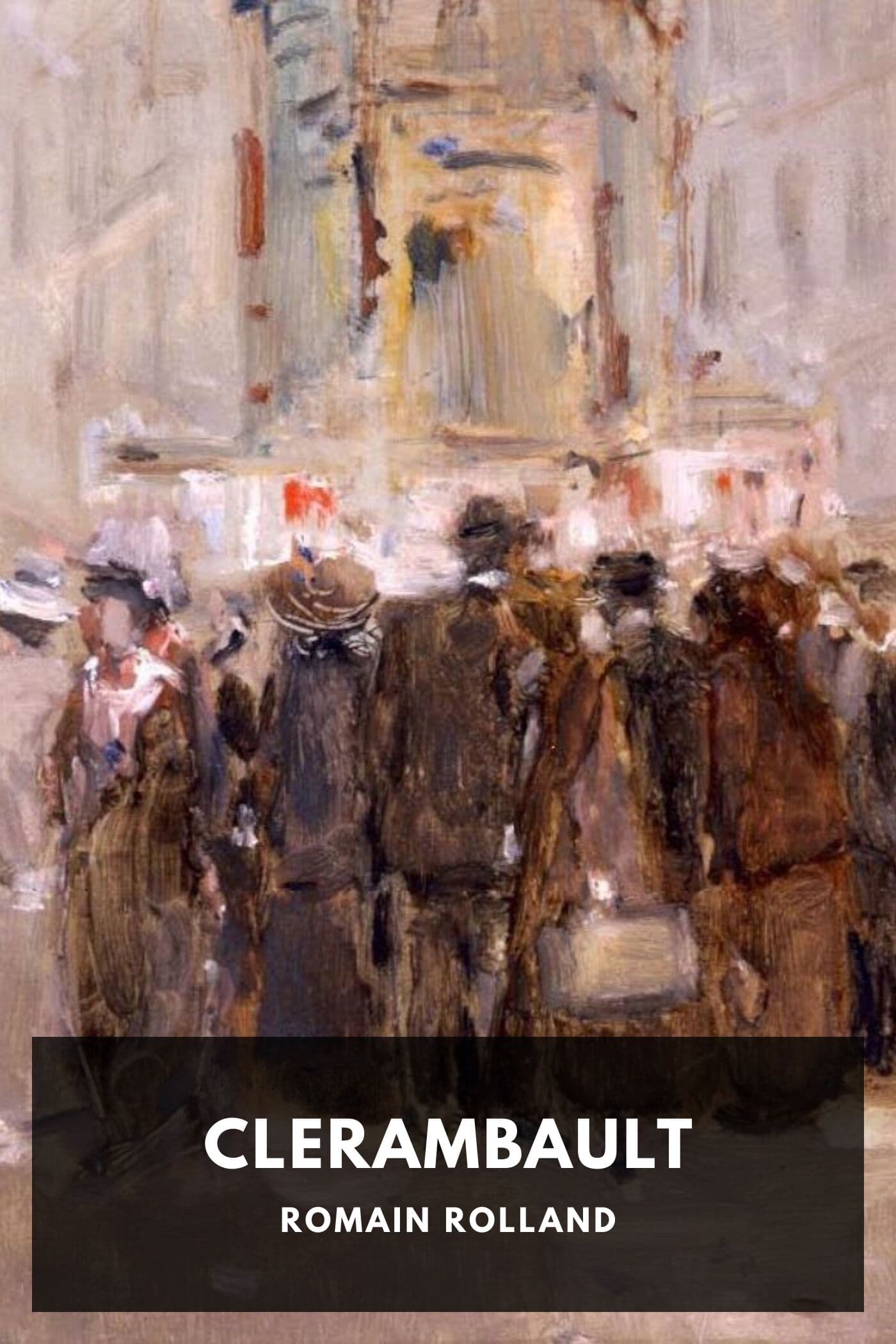
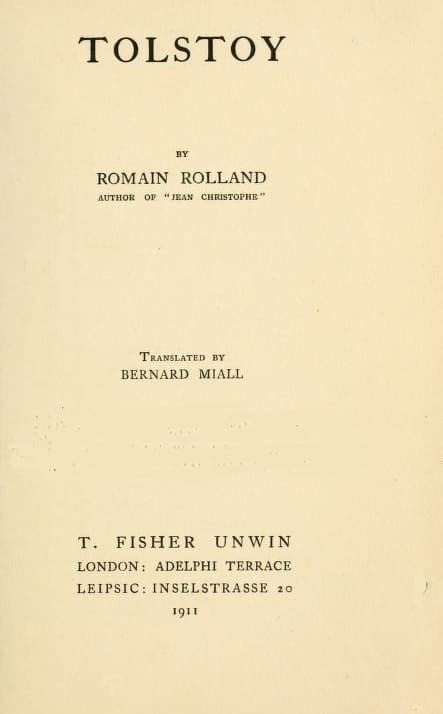
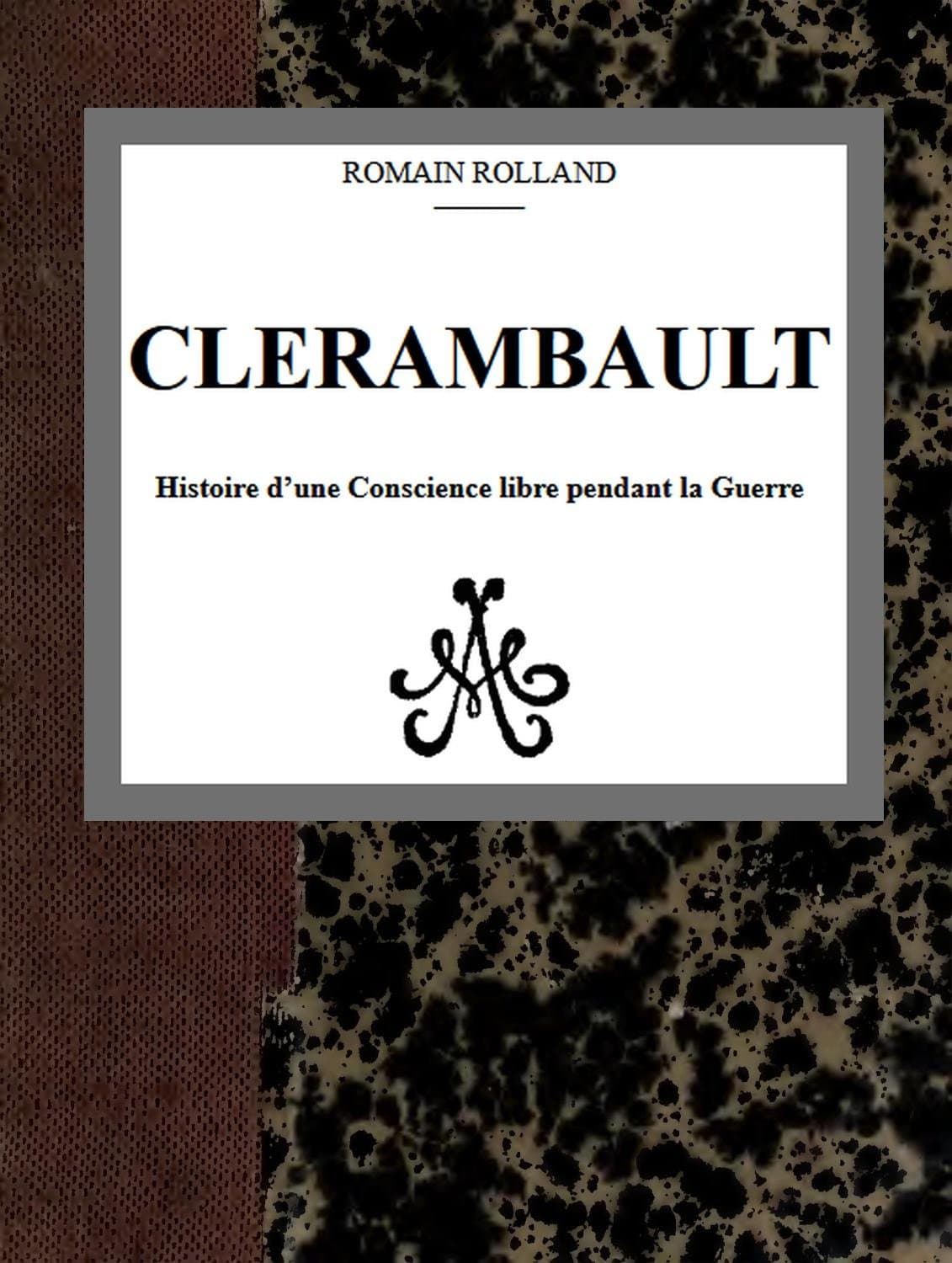



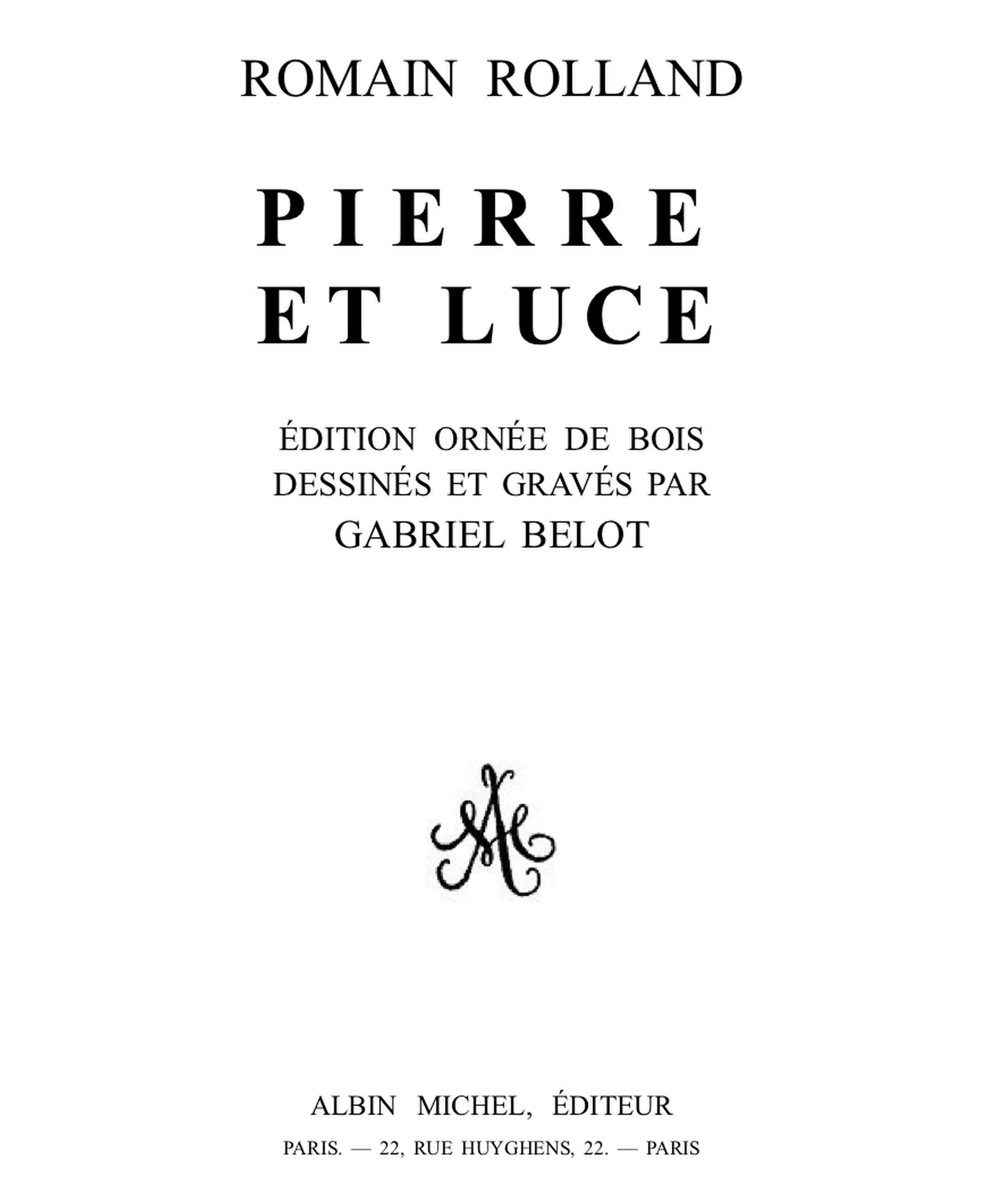
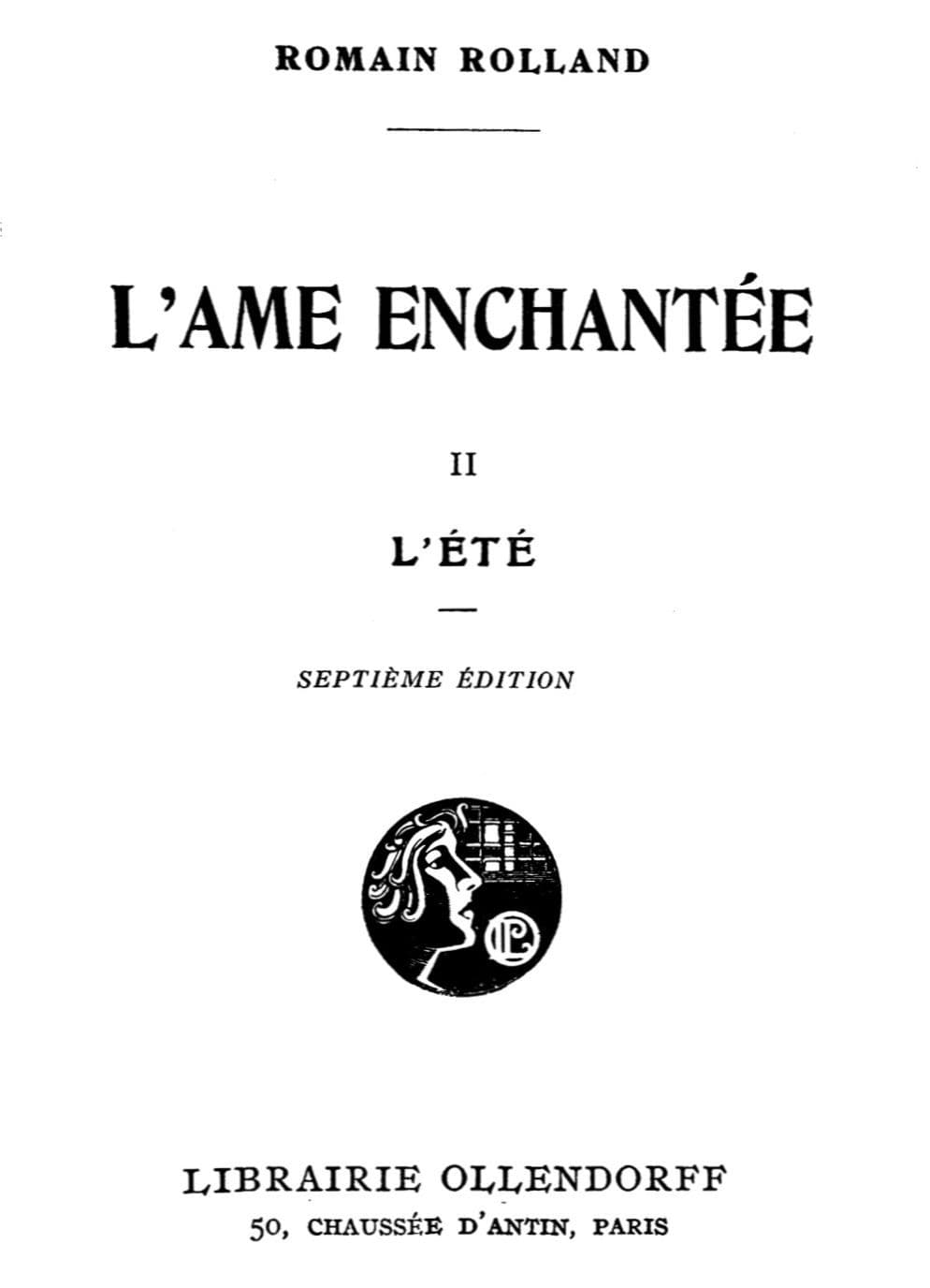
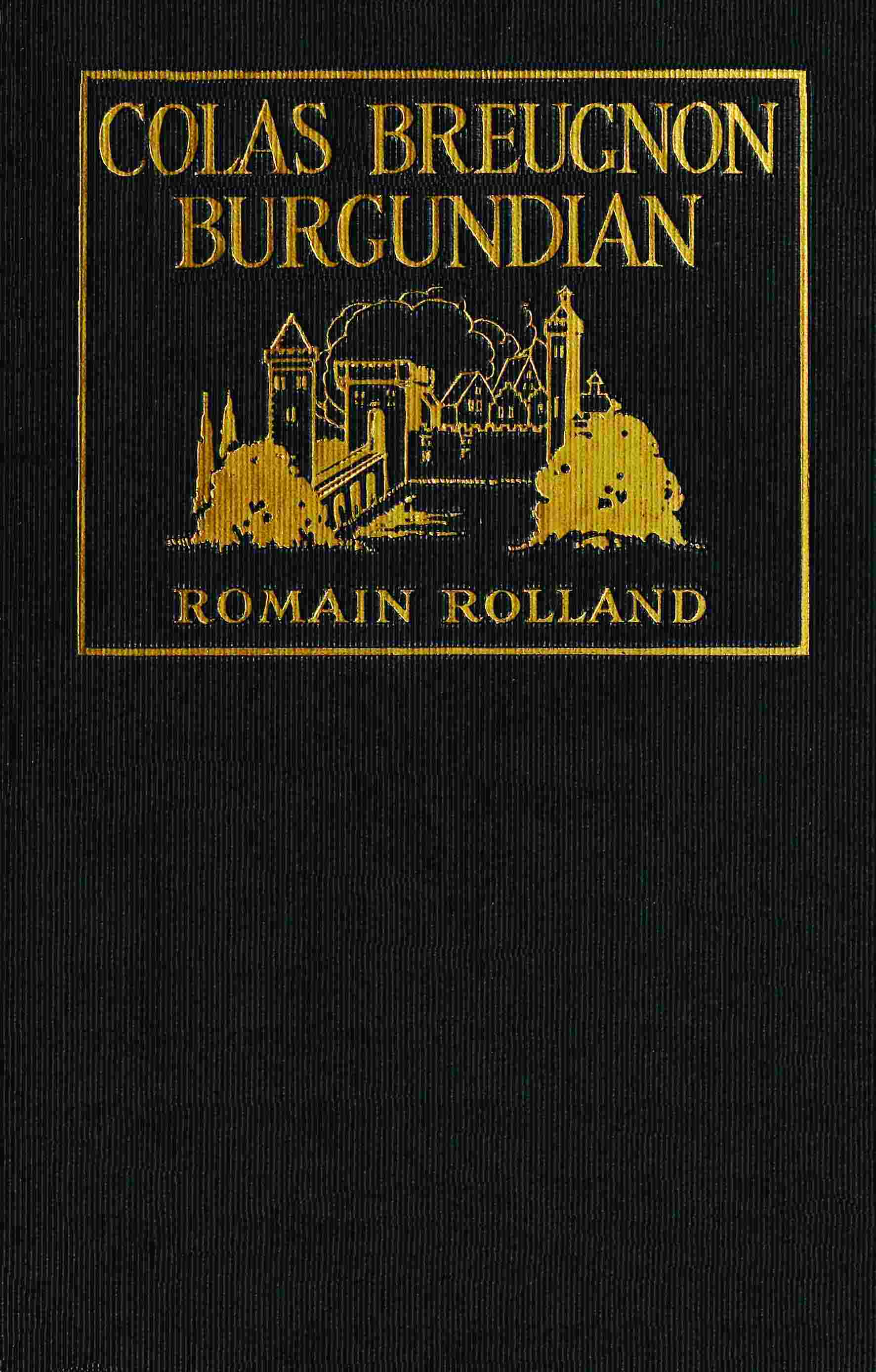
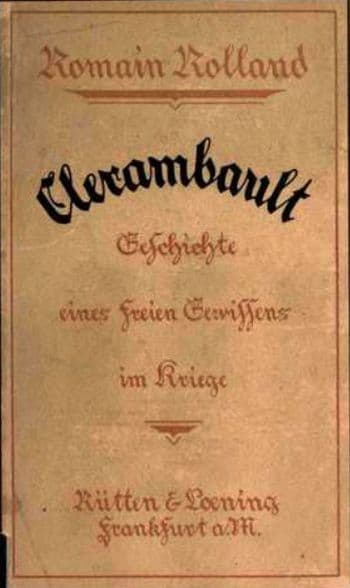




Link to this page
Add a free, dofollow link to Lex on your blog, forum, syllabus, or reading list.

<a href="https://lex-books.com/author/romain-rolland"><img src="https://lex-books.com/badges/read-on-lex.svg" alt="Romain Rolland on Lex" width="160" height="40"></a>[](https://lex-books.com/author/romain-rolland)[url=https://lex-books.com/author/romain-rolland][img]https://lex-books.com/badges/read-on-lex.svg[/img][/url]Romain Rolland on Lex: https://lex-books.com/author/romain-rolland