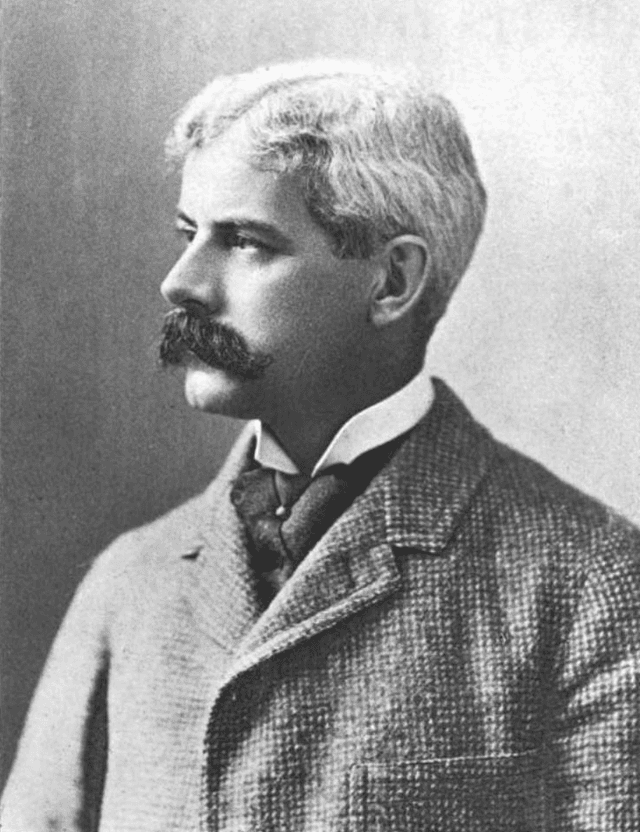
John C. Van Dyke
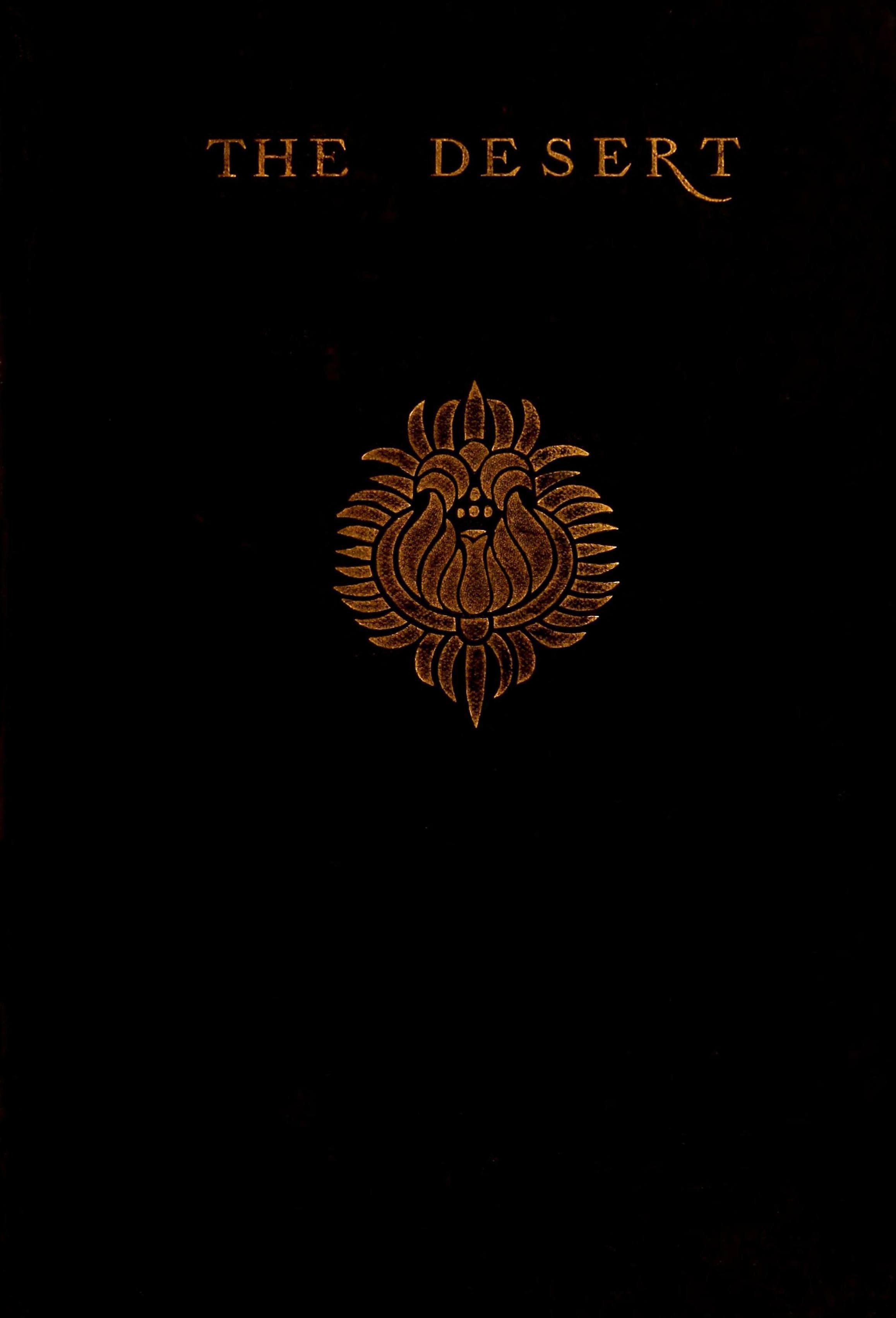
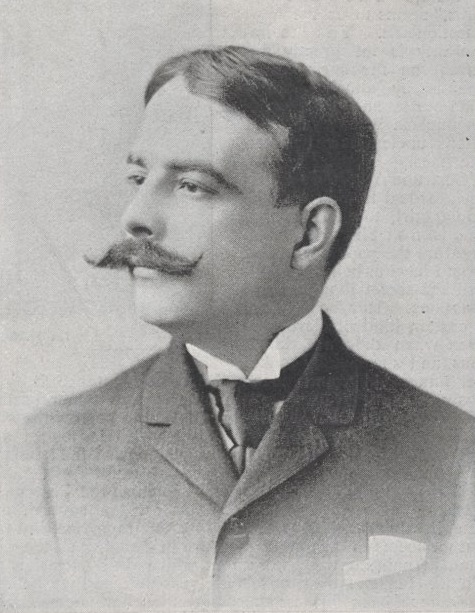
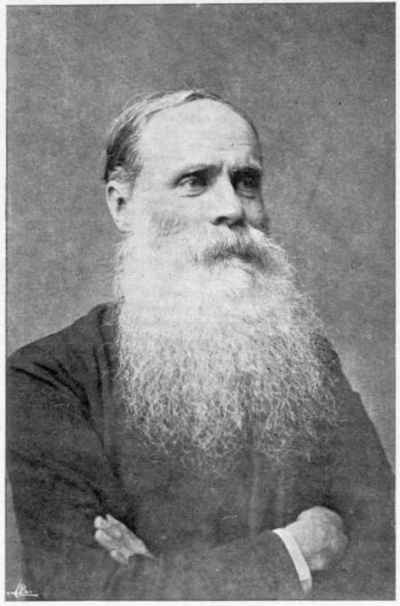
John C. Van Dyke was an influential American art historian, critic, and nature writer known for his deep appreciation of the natural world and its artistic representation. He earned his degree from the University of Michigan and later became a prominent figure in the art community, contributing significantly to the understanding of American art. His notable works include 'The Art of the American West,' which explored the relationship between landscape and artistic expression, and 'The Desert,' a vivid portrayal of the Southwestern United States that celebrated its unique beauty and complexity. Van Dyke's writings often reflected his belief in the importance of nature in art, advocating for a deeper connection between the two realms. In addition to his contributions to art criticism, Van Dyke was a passionate advocate for the preservation of natural landscapes, which he believed were essential to the American identity. His work not only influenced contemporary artists but also laid the groundwork for future discussions on environmentalism and the role of nature in artistic inspiration. Through his essays and critiques, he helped to elevate the status of American art on the global stage, making a lasting impact on both the art world and the appreciation of the natural environment. Van Dyke's legacy endures as a testament to the interplay between art and nature, inspiring generations of artists and writers alike.
Famous Quotes
View all 3 quotes“Ambassador and poet Henry Van Dyke observed, “There is a loftier ambition than merely to stand high in the world. It is to stoop down and lift mankind a little higher.””
“The story of a man's life, especially when it is told by the man himself, should not be interrupted by the hecklings of an editor.””
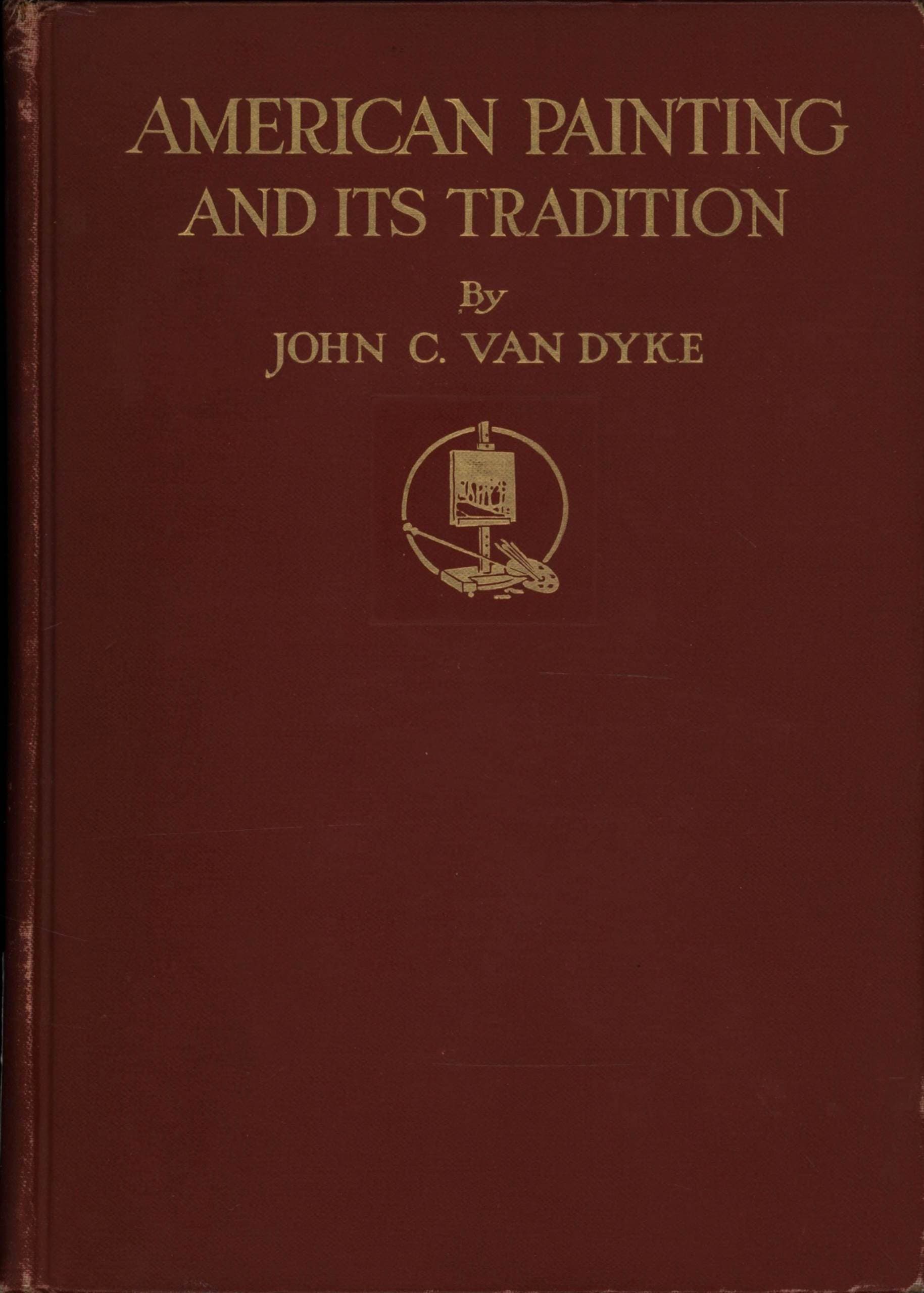
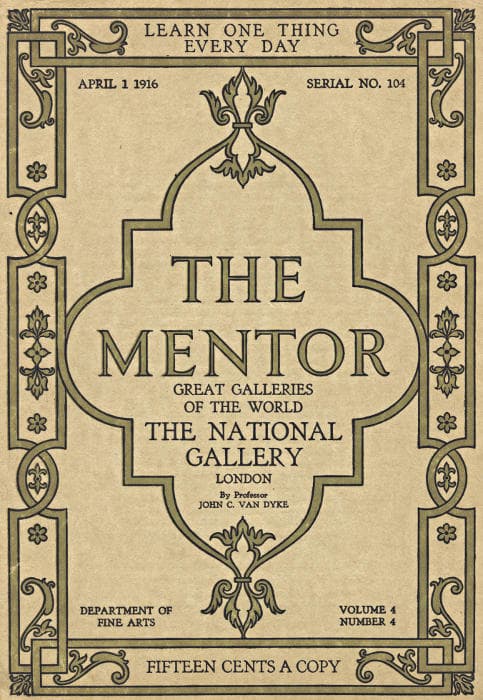
Books from the author





Link to this page
Add a free, dofollow link to Lex on your blog, forum, syllabus, or reading list.

<a href="https://lex-books.com/author/john-c-van-dyke"><img src="https://lex-books.com/badges/read-on-lex.svg" alt="John C. Van Dyke on Lex" width="160" height="40"></a>[](https://lex-books.com/author/john-c-van-dyke)[url=https://lex-books.com/author/john-c-van-dyke][img]https://lex-books.com/badges/read-on-lex.svg[/img][/url]John C. Van Dyke on Lex: https://lex-books.com/author/john-c-van-dyke