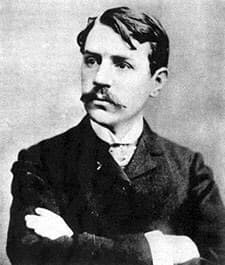
Paul Bourget
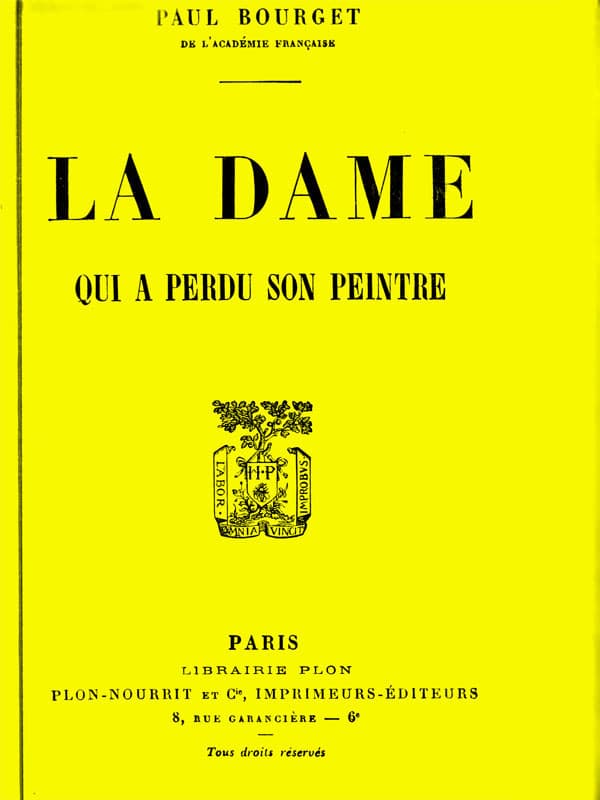
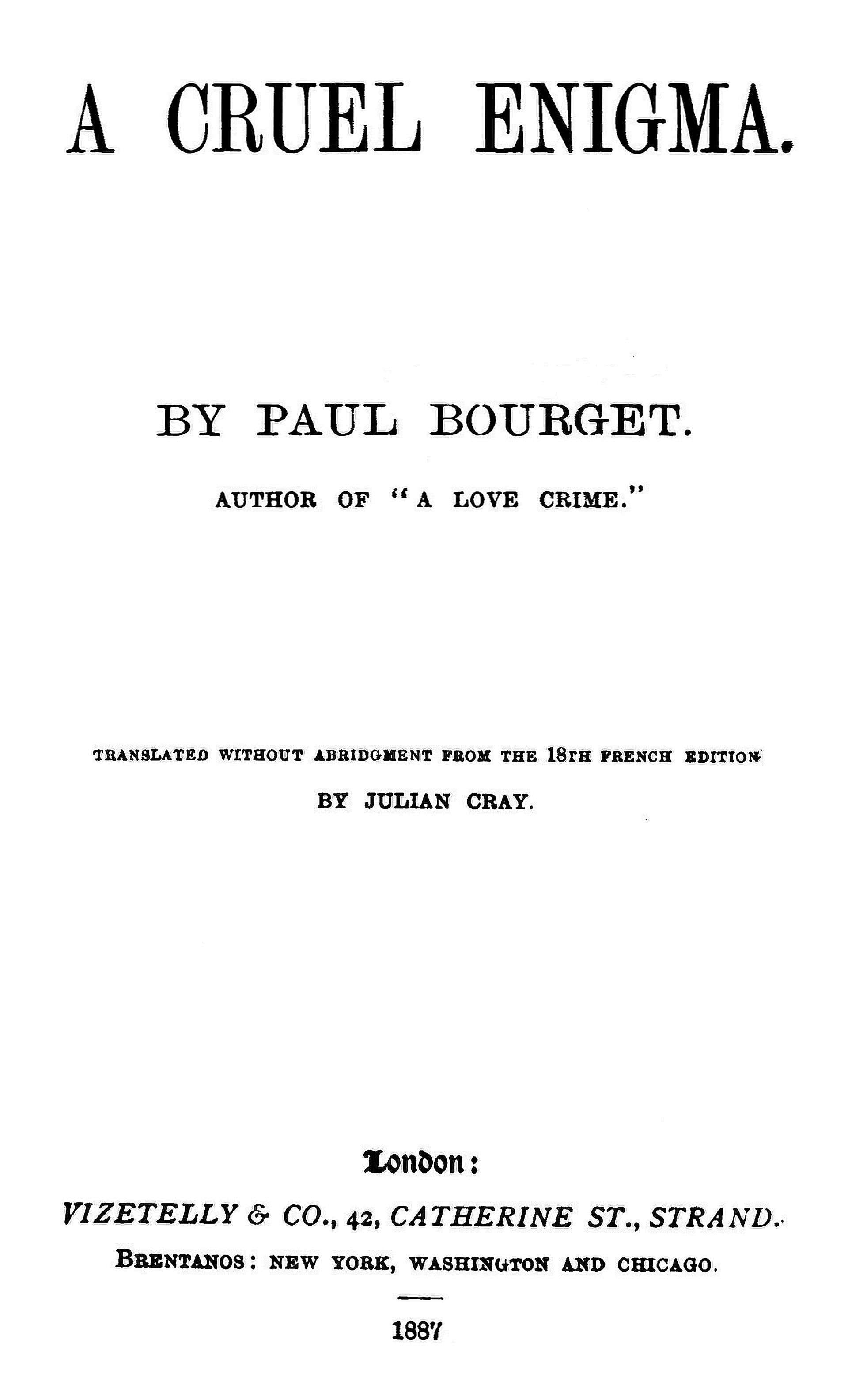
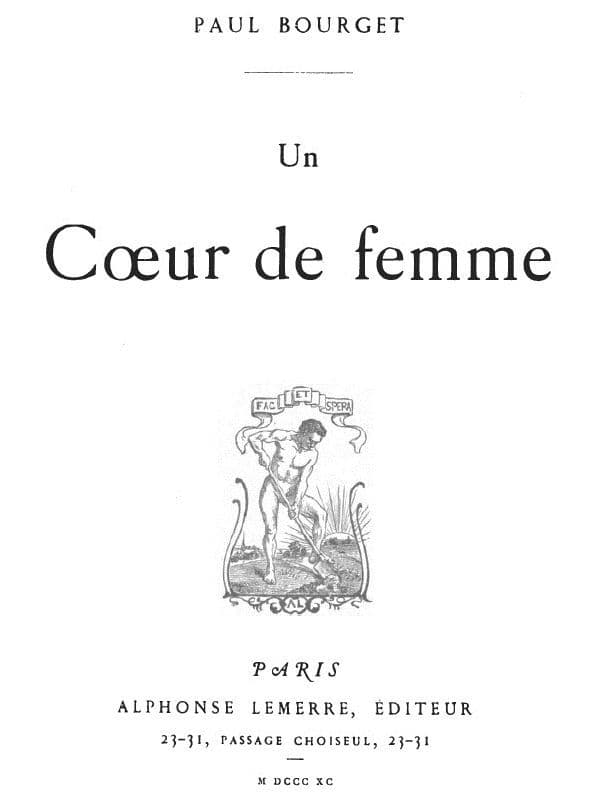
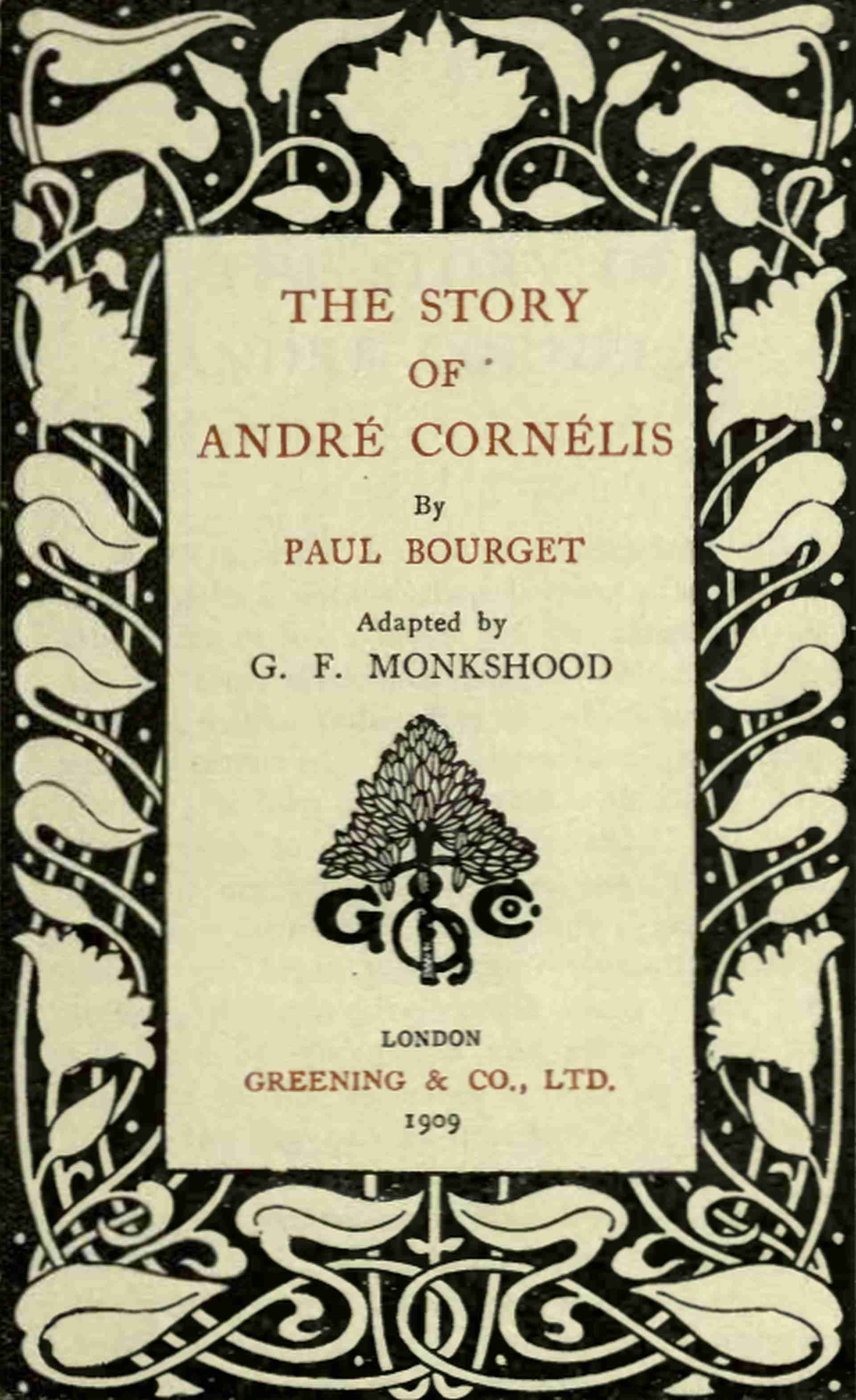
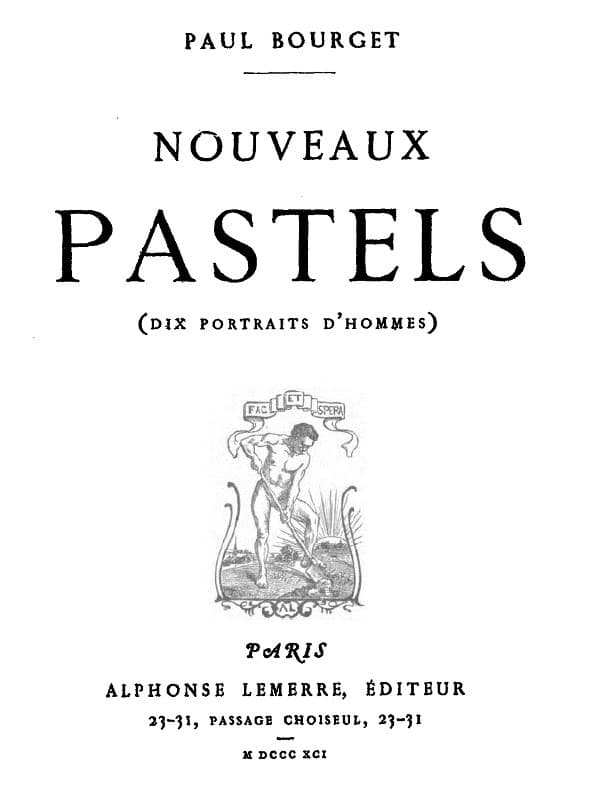
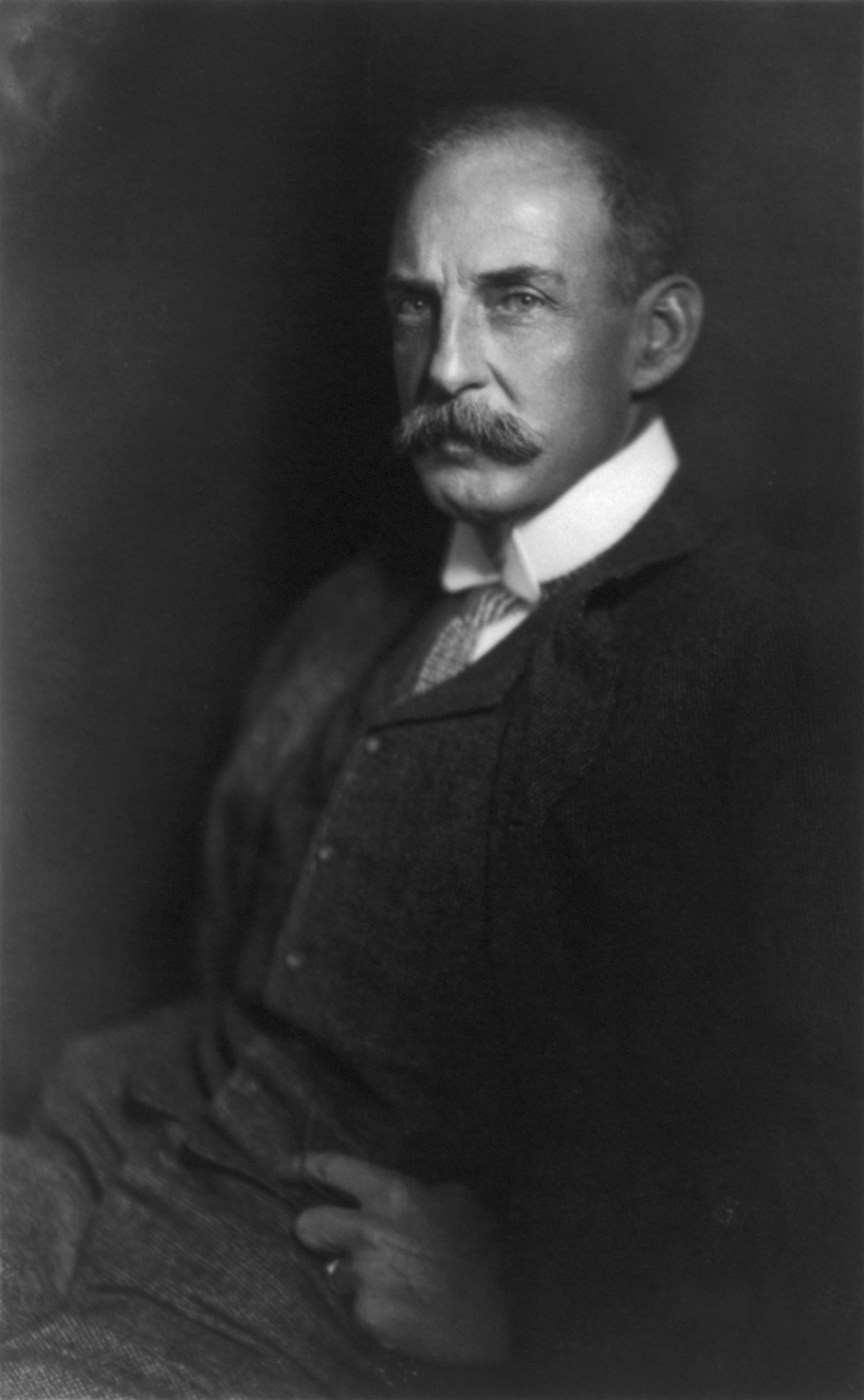
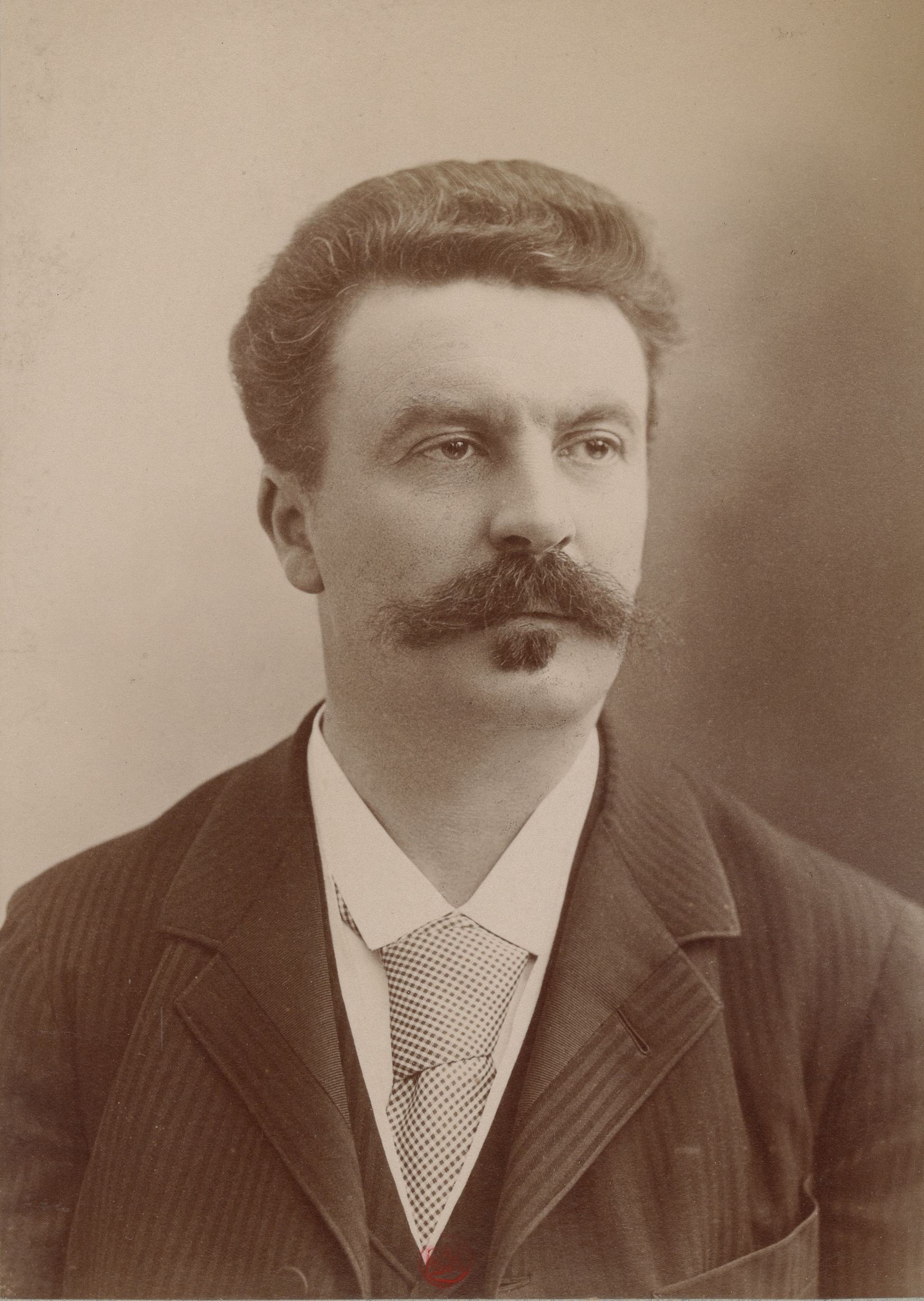
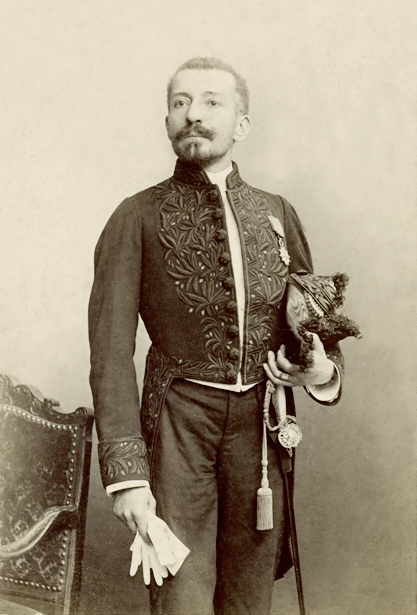
Paul Bourget was a prominent French poet, novelist, and critic, born in Amiens. Initially distancing himself from Catholicism, he returned to the faith in the late 19th century, which influenced his literary themes. Bourget's works are notable for their psychological depth and moralistic undertones, often exploring the intricate emotions of women and the aspirations and failures of young men in France. His bestselling novel, Le Disciple (1889), delves into the repercussions of materialism and positivism, while other significant titles include Cruelle énigme (1885), André Cornelis (1886), and Mensonges (1887). Bourget's literary career began with poetry, but he gained greater acclaim through his novels and literary criticism. He was recognized for his contributions to literature with five nominations for the Nobel Prize in Literature and was elected to the Académie Française in 1894. His critical work, Sensations d'Italie (1891), is also well-regarded. Although Bourget's popularity waned in the years following his death, his influence on French literature remains significant, impacting various art forms, including music, as seen in Claude Debussy's adaptations of his poetry.
Famous Quotes
View all 3 quotes“One must live the way one thinks or end up thinking the way one has lived.”
“At certain moments, words are nothing; it is the tone in which they are uttered.”
“Flirting is the sin of the virtuous and the virtue of the sinful.”
Books from the author
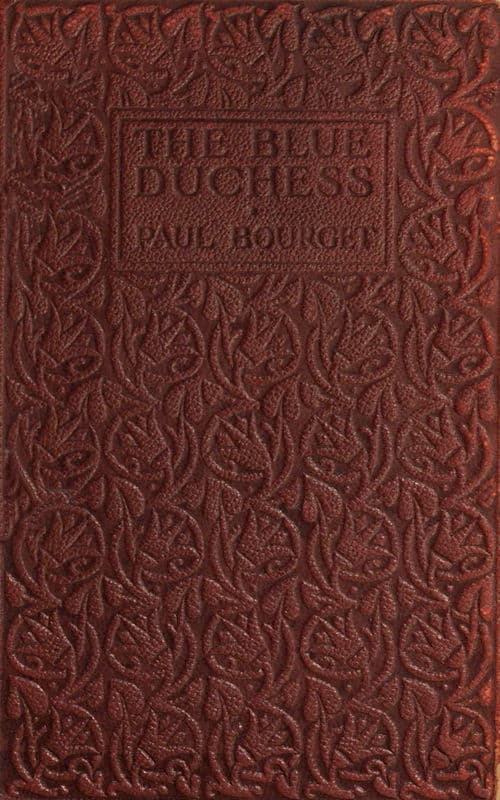
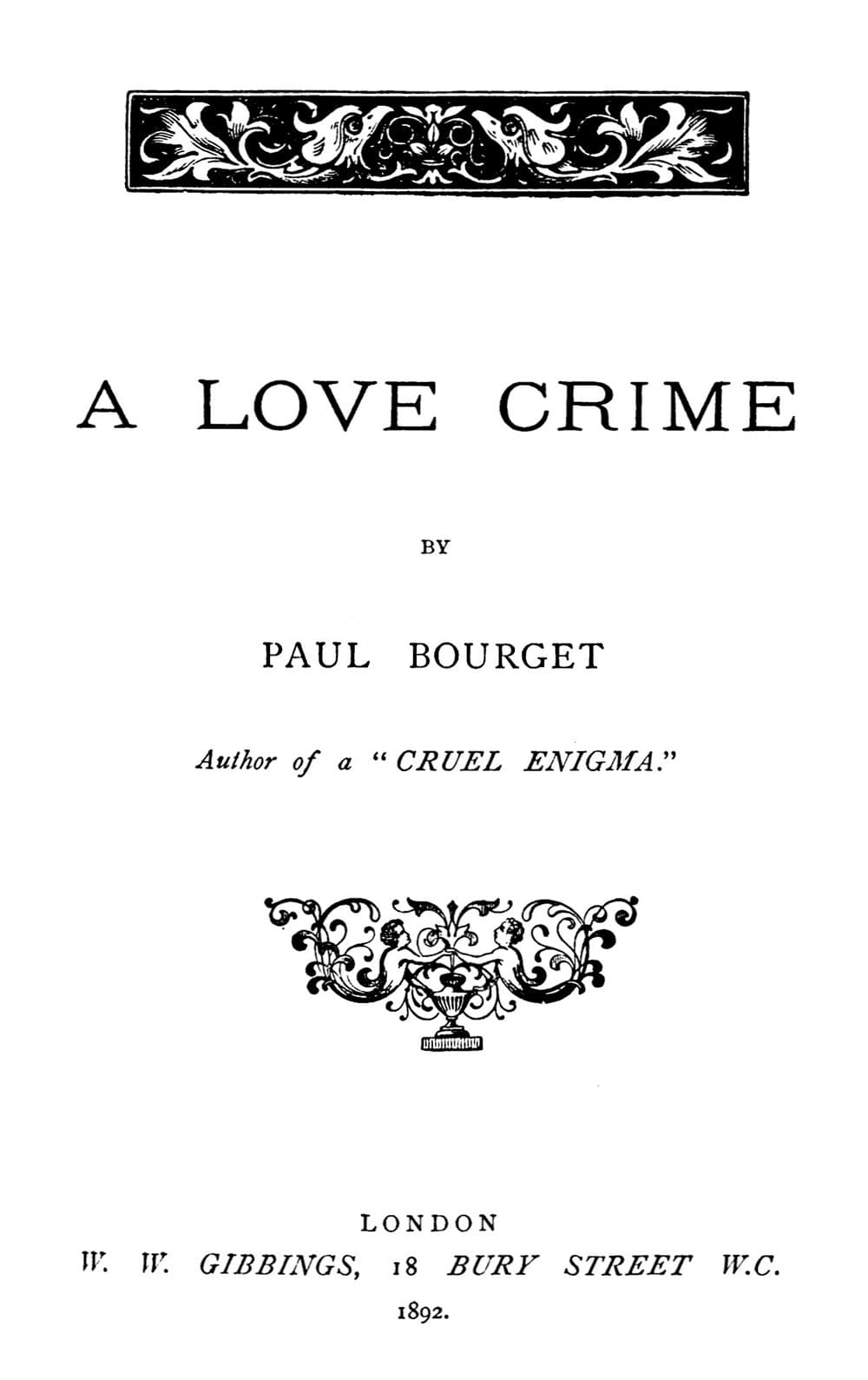
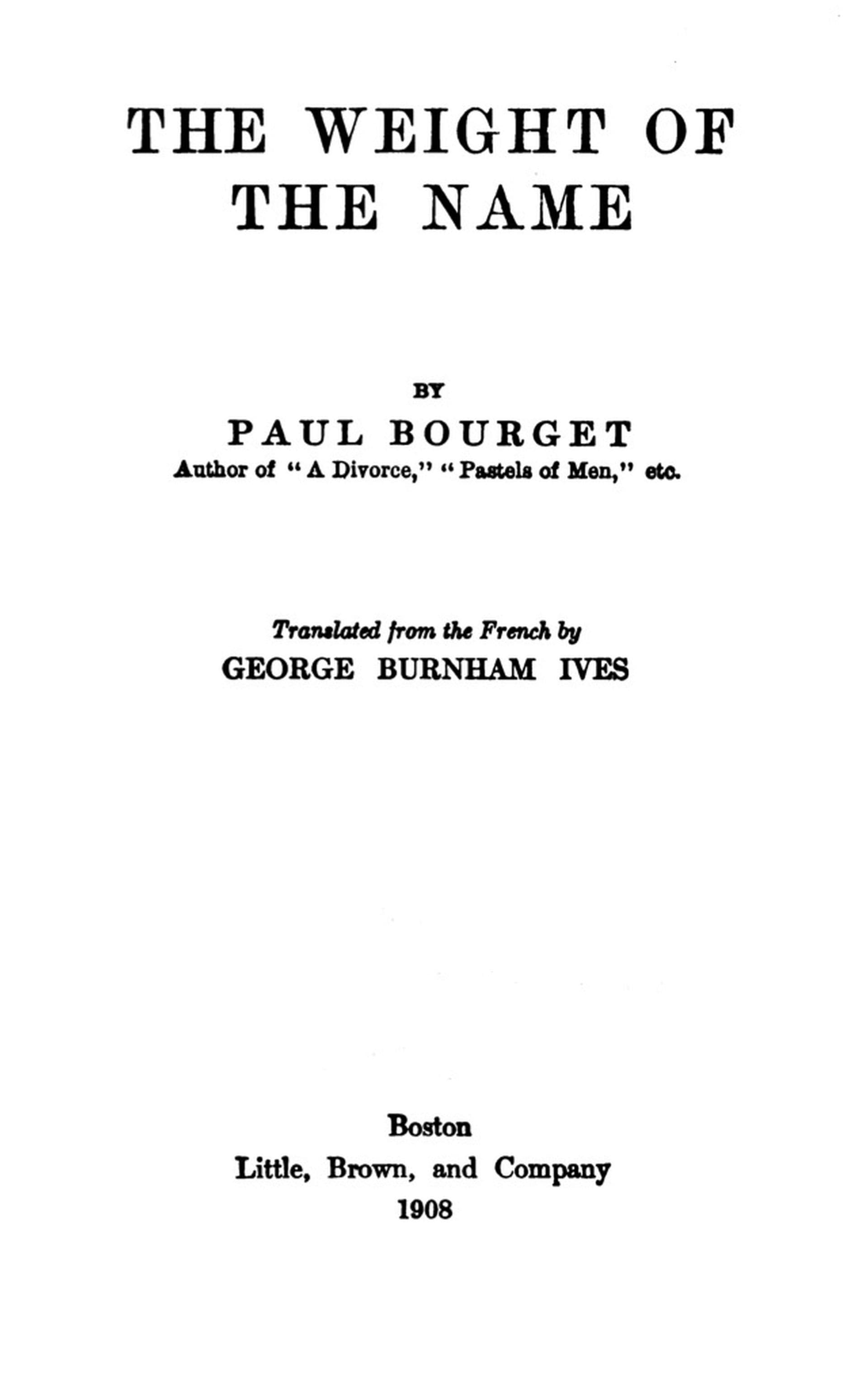
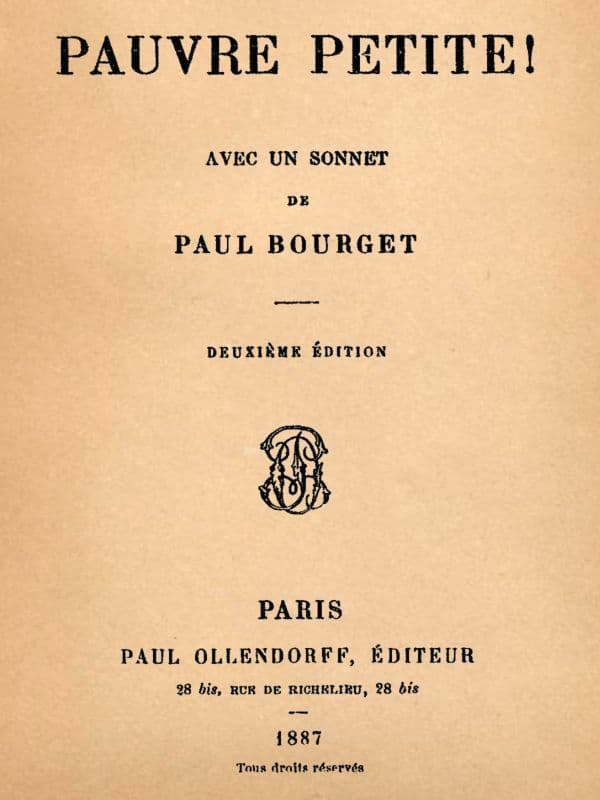
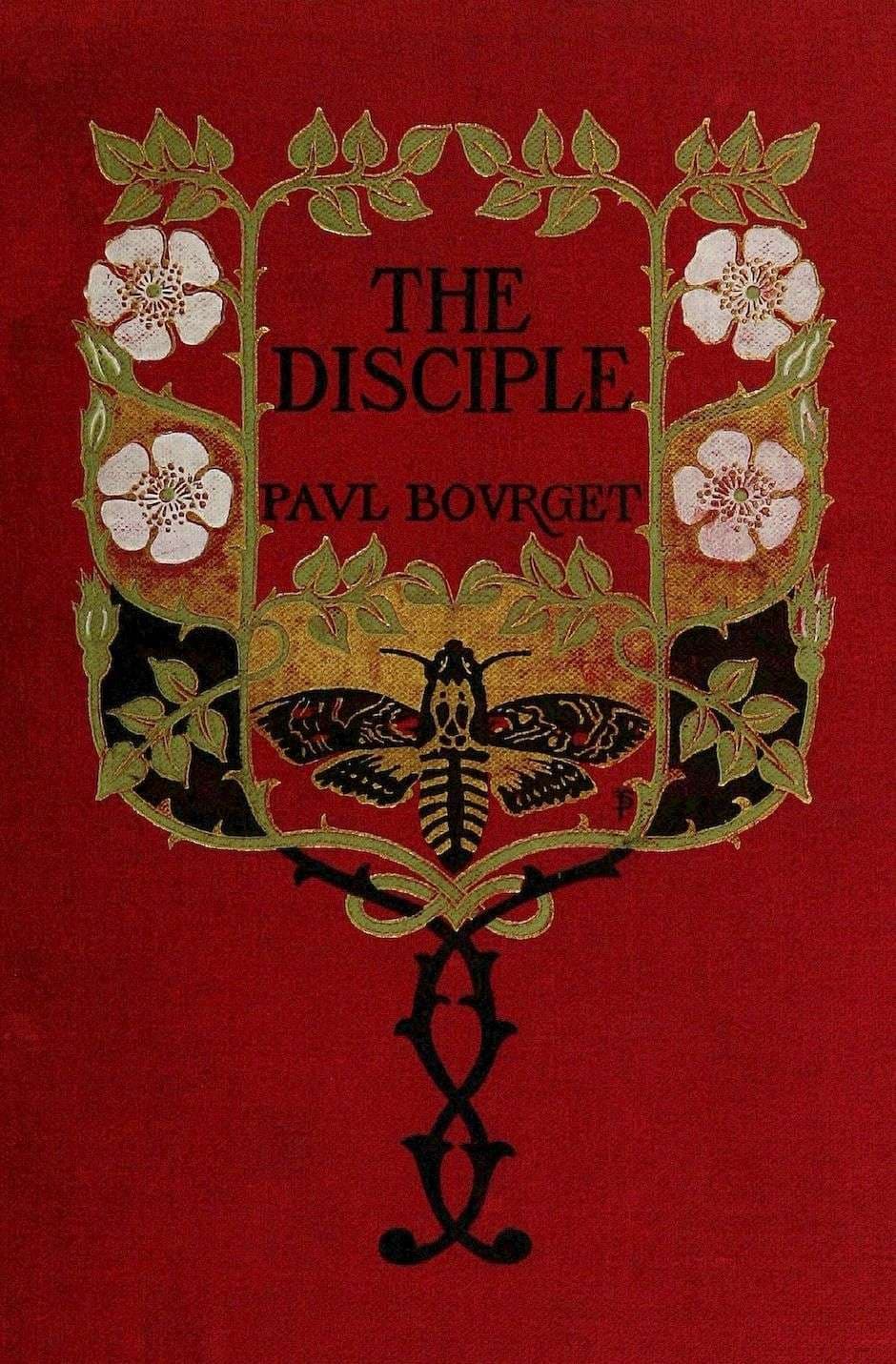
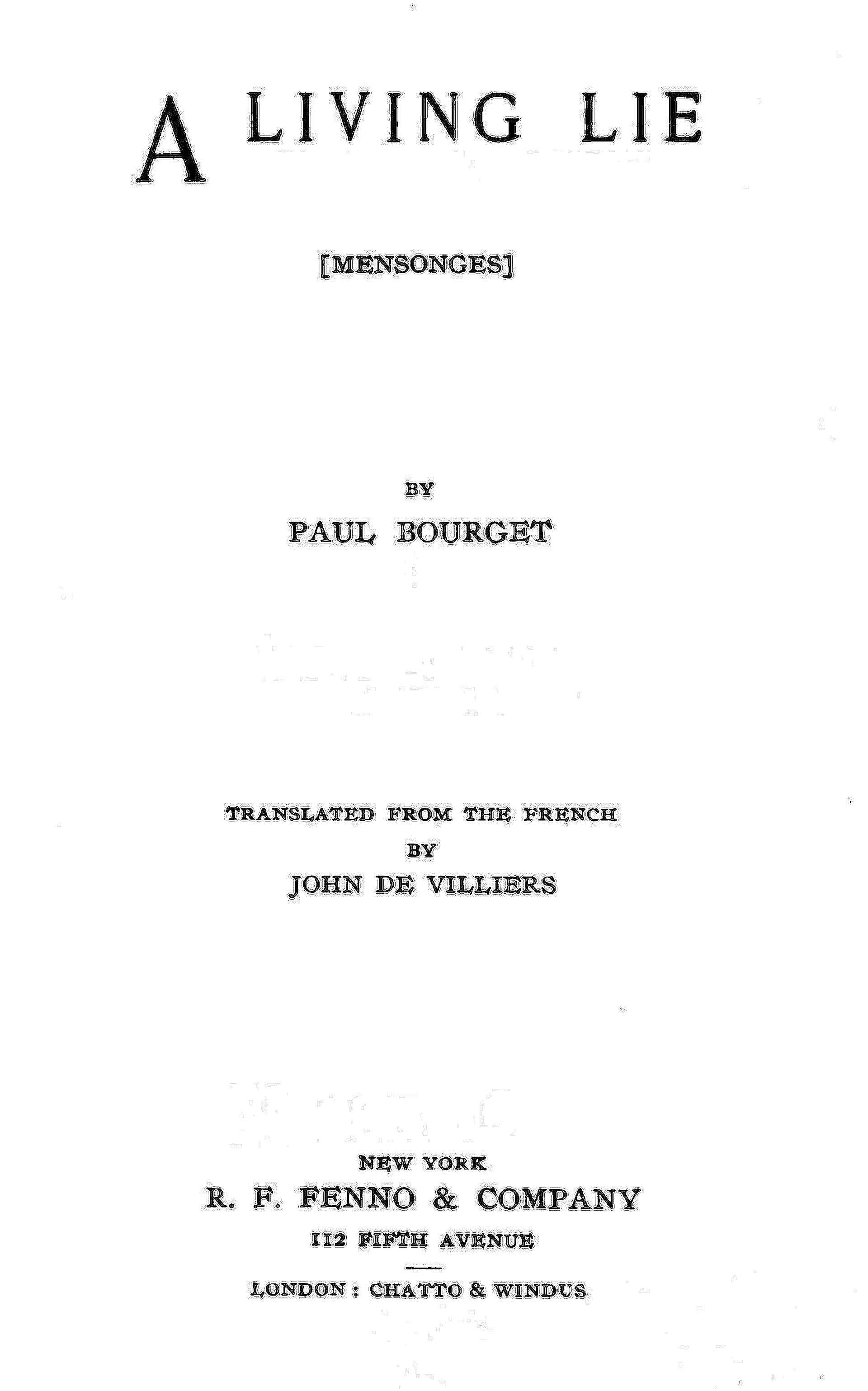
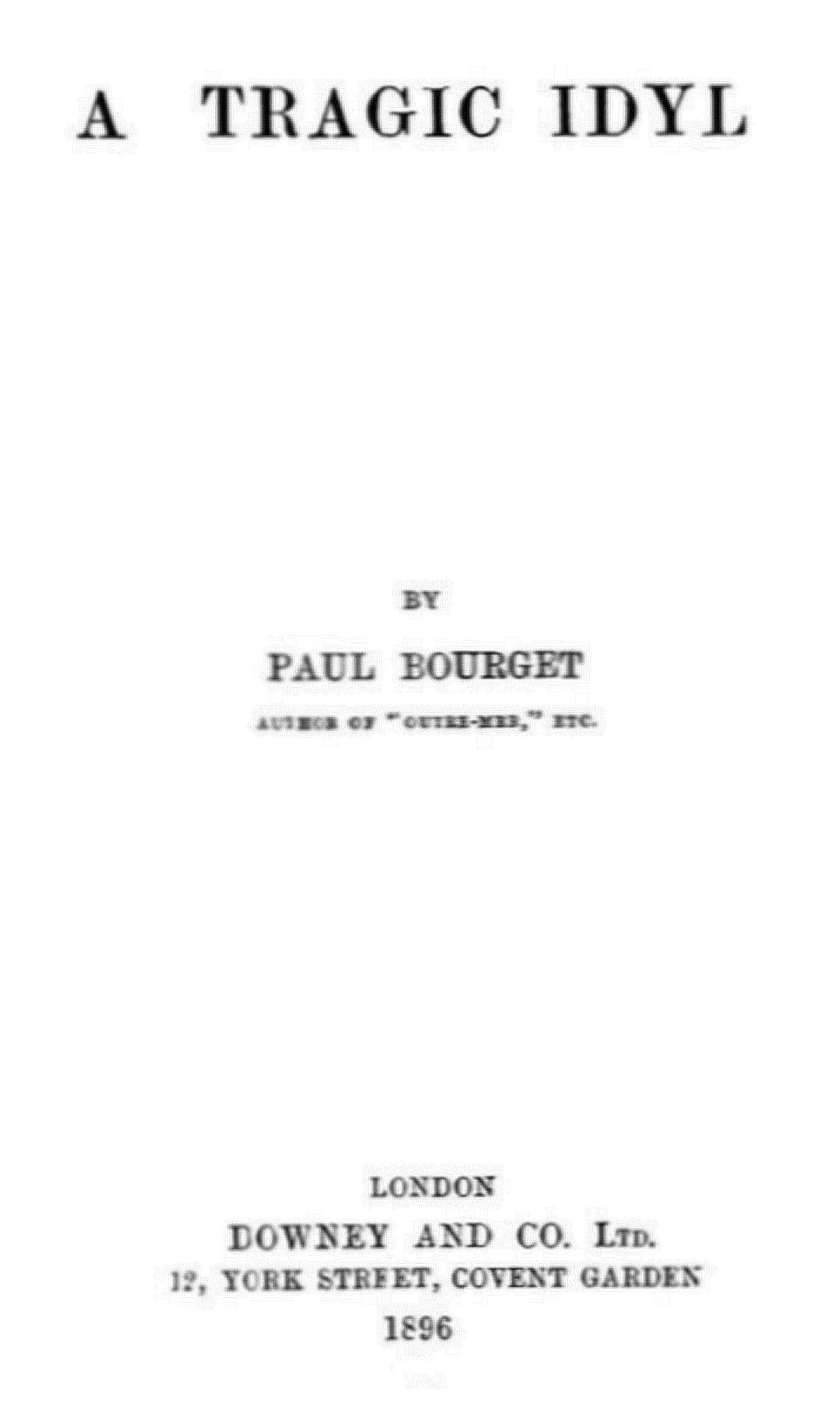



Link to this page
Add a free, dofollow link to Lex on your blog, forum, syllabus, or reading list.

<a href="https://lex-books.com/author/paul-bourget"><img src="https://lex-books.com/badges/read-on-lex.svg" alt="Paul Bourget on Lex" width="160" height="40"></a>[](https://lex-books.com/author/paul-bourget)[url=https://lex-books.com/author/paul-bourget][img]https://lex-books.com/badges/read-on-lex.svg[/img][/url]Paul Bourget on Lex: https://lex-books.com/author/paul-bourget