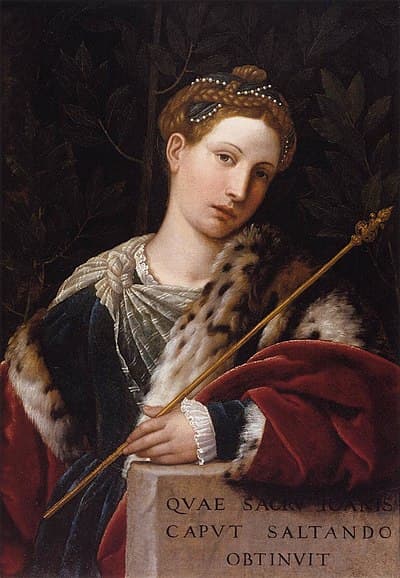
Tullia d' Aragona
Tullia d'Aragona was an influential Italian poet, author, and philosopher of the Renaissance, celebrated for her contributions to literature and her role in elevating the status of women in the arts. Born in Rome between 1501 and 1505, she traveled extensively through cities such as Venice, Ferrara, Siena, and Florence, where she honed her craft and engaged with prominent intellectual circles. Tullia's literary prowess and philosophical insights earned her recognition as one of the foremost female writers of her time, and her works often challenged the prevailing norms of gender and authorship in a male-dominated society. Among her notable contributions are her poetry and philosophical dialogues, which not only showcased her literary talent but also addressed themes of love, virtue, and the nature of knowledge. Tullia's influence extended to many renowned philosophers and writers of her era, and her legacy as a poet-courtesan helped pave the way for future generations of women in literature. Through her life and work, Tullia d'Aragona remains a significant figure in the history of Renaissance literature, embodying the intellectual and artistic spirit of her time.
Famous Quotes
View all 1 quotes“It is not holiness, but arrogance displayedto take away the greatest gift”
Books from the author




Link to this page
Add a free, dofollow link to Lex on your blog, forum, syllabus, or reading list.

<a href="https://lex-books.com/author/tullia-d-aragona"><img src="https://lex-books.com/badges/read-on-lex.svg" alt="Tullia d' Aragona on Lex" width="160" height="40"></a>[](https://lex-books.com/author/tullia-d-aragona)[url=https://lex-books.com/author/tullia-d-aragona][img]https://lex-books.com/badges/read-on-lex.svg[/img][/url]Tullia d' Aragona on Lex: https://lex-books.com/author/tullia-d-aragona