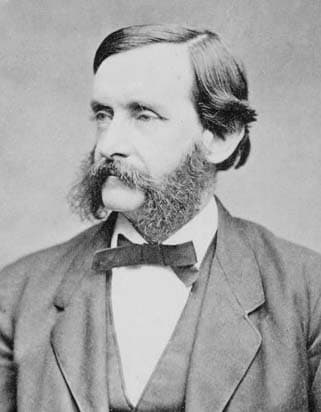
Thomas Wentworth Higginson
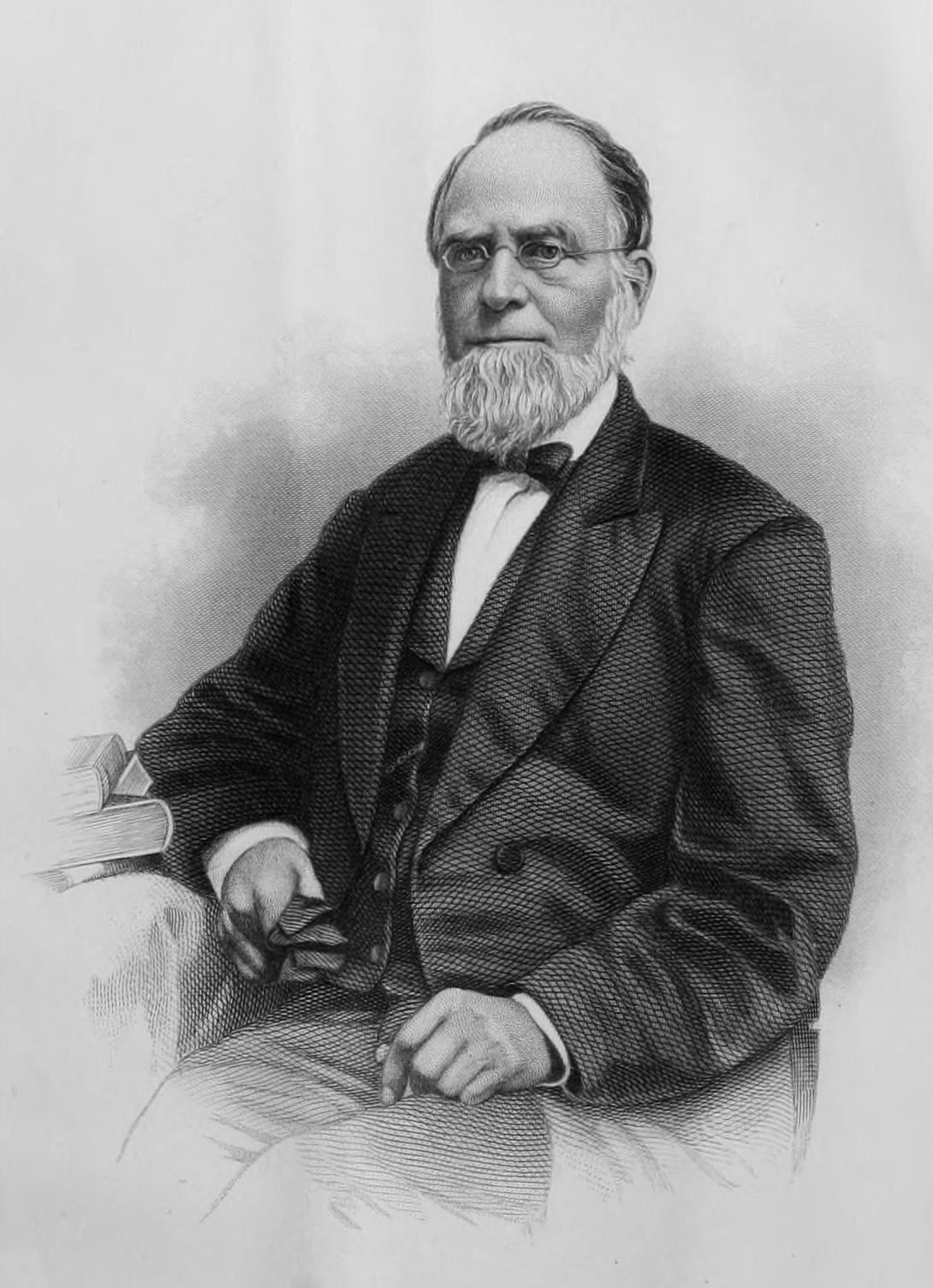
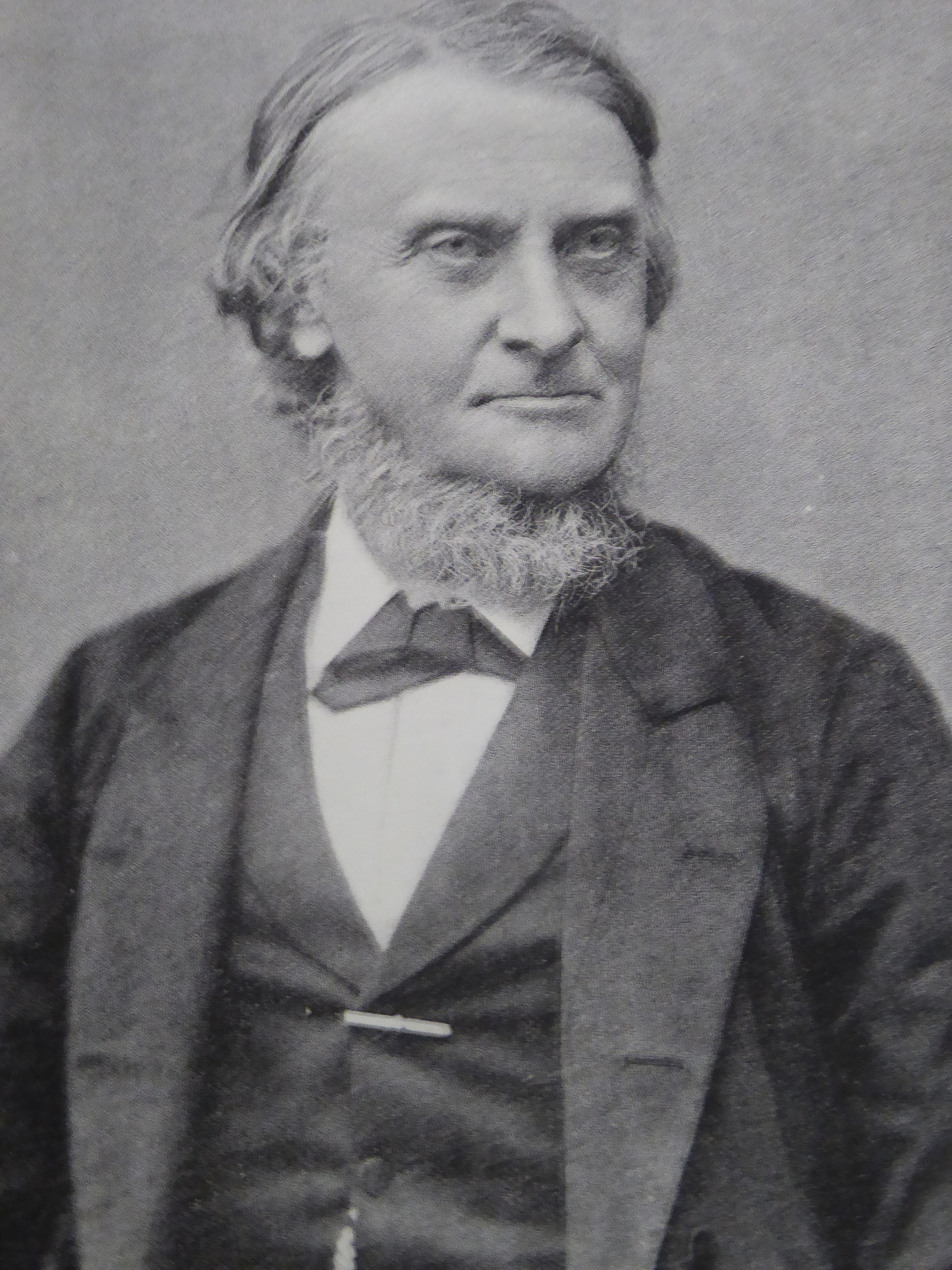
Thomas Wentworth Higginson was an influential American Unitarian minister, author, and abolitionist whose life and work spanned significant social changes in the United States. A prominent figure in the abolitionist movement during the 1840s and 1850s, he was known for his radical stance against slavery, aligning himself with disunion and militant abolitionism. Higginson was a member of the Secret Six, a group that supported the controversial abolitionist John Brown. His commitment to social justice extended into the Civil War, where he served as colonel of the 1st South Carolina Volunteers, the first federally authorized black regiment, a role that underscored his dedication to the rights of African Americans and the fight against oppression. After the war, Higginson authored several notable works, including "Army Life in a Black Regiment," which provided a firsthand account of the experiences of black soldiers. He continued to advocate for the rights of freed people, women, and other marginalized groups throughout his life. Additionally, Higginson is remembered for his mentorship of the renowned poet Emily Dickinson, helping to shape her literary voice and providing her with encouragement in her writing pursuits. His legacy as a writer and activist remains significant, reflecting the complexities of American society during a transformative era.
Famous Quotes
View all 3 quotes“After all, when a thought takes one's breath away, a lesson on grammar seems an impertinence.”
“It is no discredit to Walt Whitman that he wrote Leaves of Grass, only that he did not burn it afterwards.”
“There may be phrases which shall be palaces to dwell in, treasure-houses to explore; a single word may be a window from which one may perceive all the kingdoms of the earth and the glory of them. Oftentimes a word shall speak what accumulated volumes have labored in vain to utter: there may be years of crowded passion in a word, and half a life in a sentence.”
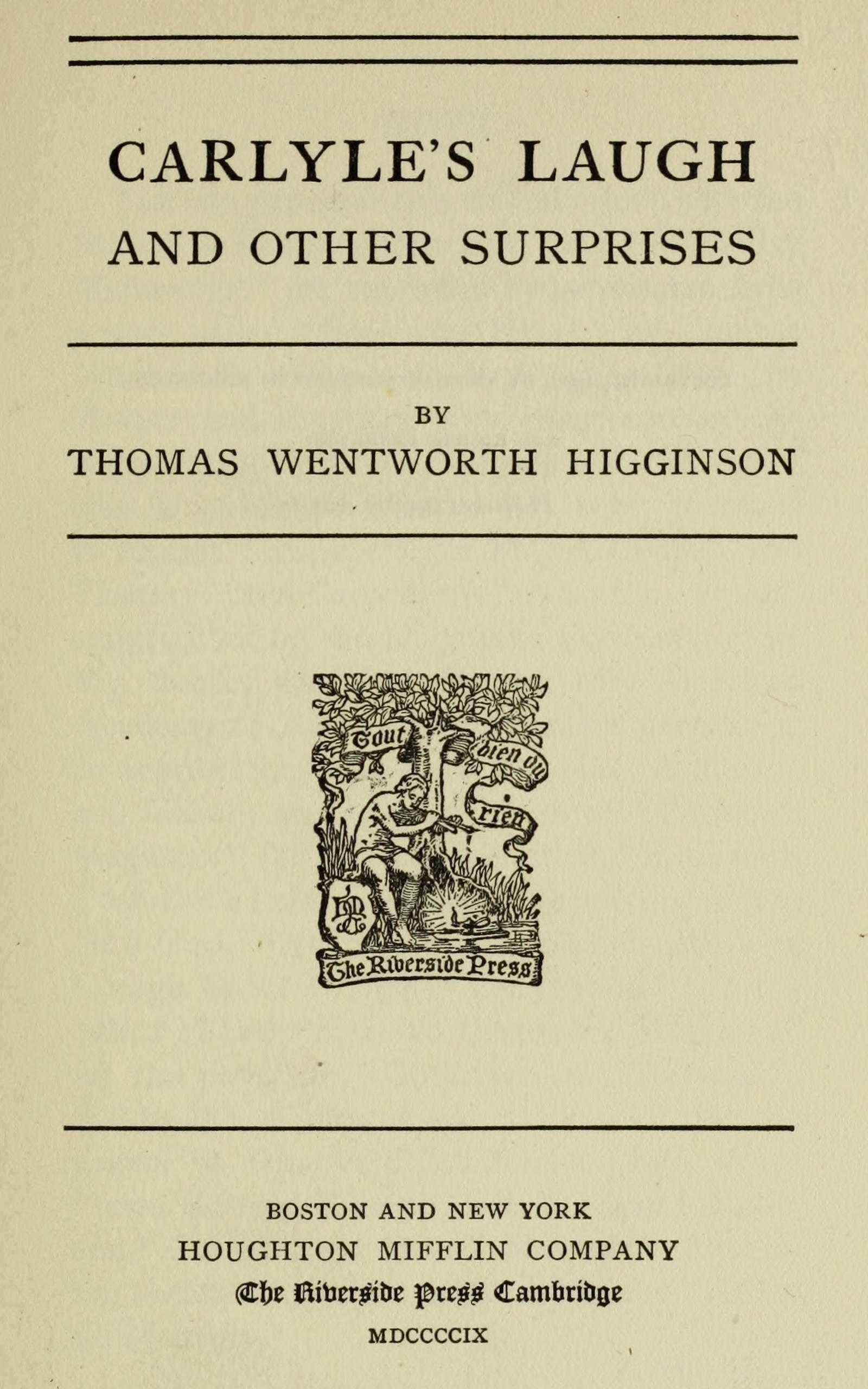
Books from the author



Link to this page
Add a free, dofollow link to Lex on your blog, forum, syllabus, or reading list.

<a href="https://lex-books.com/author/thomas-wentworth-higginson"><img src="https://lex-books.com/badges/read-on-lex.svg" alt="Thomas Wentworth Higginson on Lex" width="160" height="40"></a>[](https://lex-books.com/author/thomas-wentworth-higginson)[url=https://lex-books.com/author/thomas-wentworth-higginson][img]https://lex-books.com/badges/read-on-lex.svg[/img][/url]Thomas Wentworth Higginson on Lex: https://lex-books.com/author/thomas-wentworth-higginson