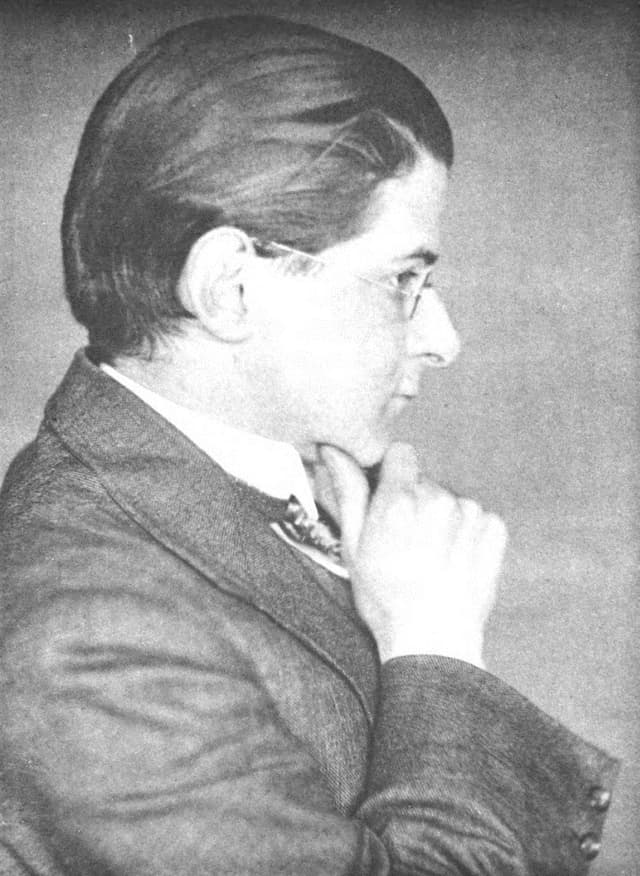
Thomas Burke
Thomas Burke was a British author known for his vivid portrayals of London life in the early 20th century. Born in Clapham Junction, he gained recognition with his first successful work, 'Limehouse Nights' (1916), a collection of stories that explored the gritty and vibrant underbelly of the East End. His writing often reflected the complexities of urban existence, capturing the essence of the city's diverse characters and their struggles amidst the backdrop of societal change. Burke's literary significance lies in his ability to convey the atmosphere of London through a unique blend of realism and lyrical prose. He was a pioneer in the genre of urban fiction, influencing subsequent writers who sought to depict the intricacies of city life. His works, including 'The Limehouse Golem' and 'The Song of the City,' showcased his talent for weaving together crime, mystery, and the human experience. Burke's legacy endures as a key figure in early 20th-century literature, providing a lens into the lives of those often overlooked in the bustling metropolis.
Famous Quotes
View all 9 quotes“Malcolm X and Edmund Burke shared an appreciation of this important insight, this painful truth--that the state wants men to be weak and timid, not strong and proud.””
“It is painful to behold a man employing his talents to corrupt himself. Nature has been kinder to Mr. Burke than he is to her. He is not affected by the reality of distress touching his heart, but by the showy resemblance of it striking his imagination. He pities the plumage, but forgets the dying bird.””
“… why do men continue to practice in themselves, the absurdities they despise in others?Thomas Paine, The rights of man: being an answer to Mr Burke’s attack on the French Revolution (2nd edn, Philadelphia, 1791), p. 41.””
Books from the author
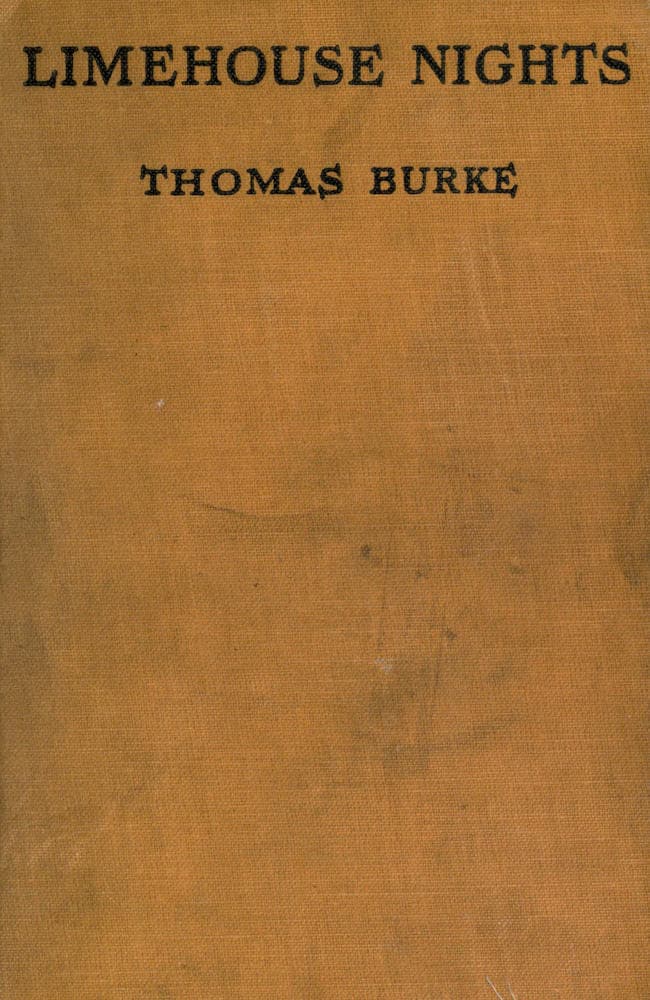
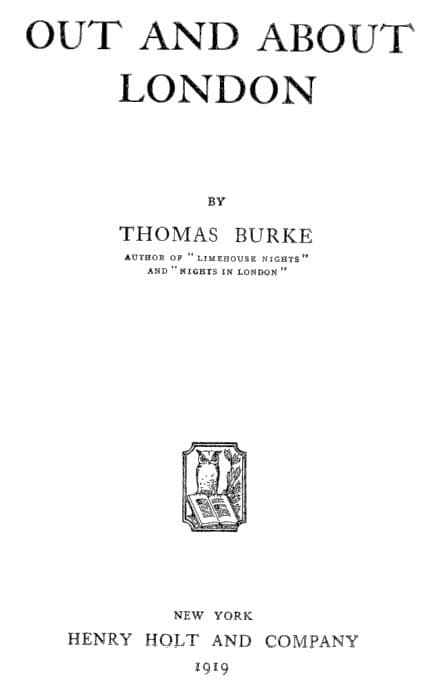


Link to this page
Add a free, dofollow link to Lex on your blog, forum, syllabus, or reading list.

<a href="https://lex-books.com/author/thomas-burke"><img src="https://lex-books.com/badges/read-on-lex.svg" alt="Thomas Burke on Lex" width="160" height="40"></a>[](https://lex-books.com/author/thomas-burke)[url=https://lex-books.com/author/thomas-burke][img]https://lex-books.com/badges/read-on-lex.svg[/img][/url]Thomas Burke on Lex: https://lex-books.com/author/thomas-burke