
the Younger Pliny
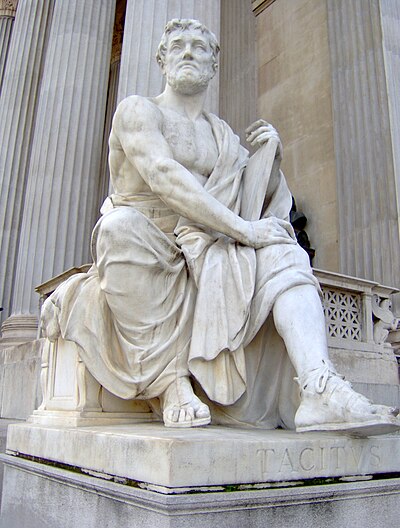
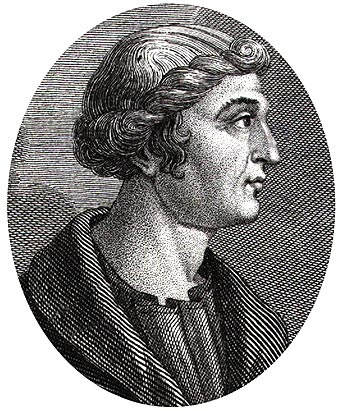
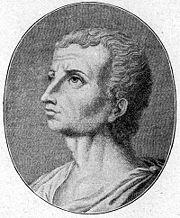
Gaius Plinius Caecilius Secundus, commonly known as Pliny the Younger, was a prominent lawyer, author, and magistrate in Ancient Rome. Raised and educated by his uncle, Pliny the Elder, he became a significant figure in Roman society, serving in various civil and military roles throughout his career. His correspondence, which includes 247 surviving letters, offers invaluable insights into the political and social landscape of his time. Notably, his letters to Emperor Trajan, comprising 121 official memoranda, illuminate the dynamics between the imperial office and provincial governance, making them a crucial resource for historians studying the Roman Empire's administrative practices. Pliny's literary contributions extend beyond his correspondence; he was also a contemporary of notable figures such as the historian Tacitus and the biographer Suetonius. His letters not only reflect the political climate of the era but also provide glimpses into the personal relationships and intellectual exchanges among the elite of Roman society. Through his writings, Pliny the Younger has left a lasting legacy, influencing subsequent generations of writers and historians with his articulate observations and reflections on life in the Roman Empire.
Famous Quotes
View all 18 quotes“An object in possession seldom retains the same charm that it had in pursuit.””
“So we must work at our profession and not make anybody else's idleness an excuse for our own. There is no lack of readers and listeners; it is for us to produce something worth being written and heard.””
“[Pliny the Elder] used to say that “no book was so bad but some good might be got out of it.””
Books from the author





Link to this page
Add a free, dofollow link to Lex on your blog, forum, syllabus, or reading list.

<a href="https://lex-books.com/author/the-younger-pliny"><img src="https://lex-books.com/badges/read-on-lex.svg" alt="the Younger Pliny on Lex" width="160" height="40"></a>[](https://lex-books.com/author/the-younger-pliny)[url=https://lex-books.com/author/the-younger-pliny][img]https://lex-books.com/badges/read-on-lex.svg[/img][/url]the Younger Pliny on Lex: https://lex-books.com/author/the-younger-pliny