
Teodor de Wyzewa
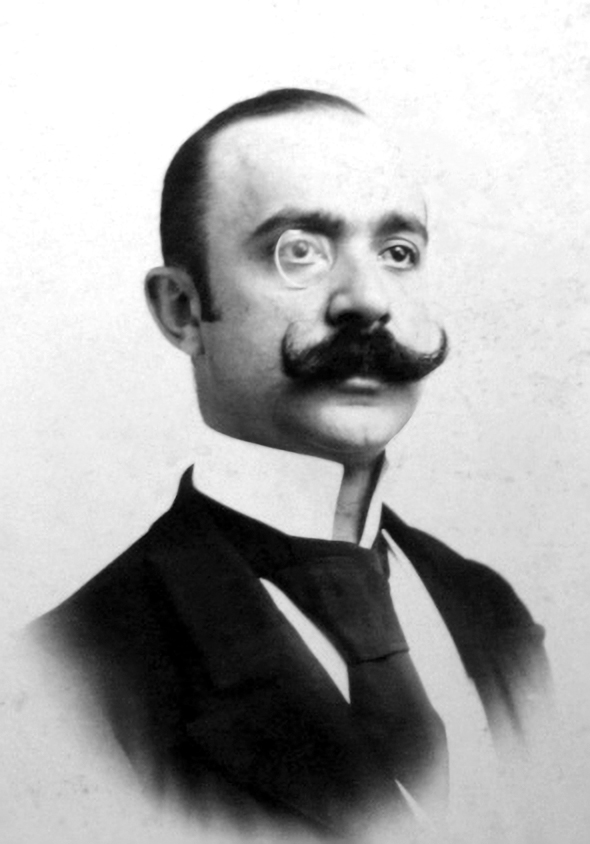
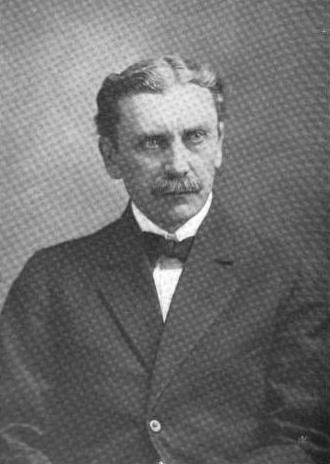
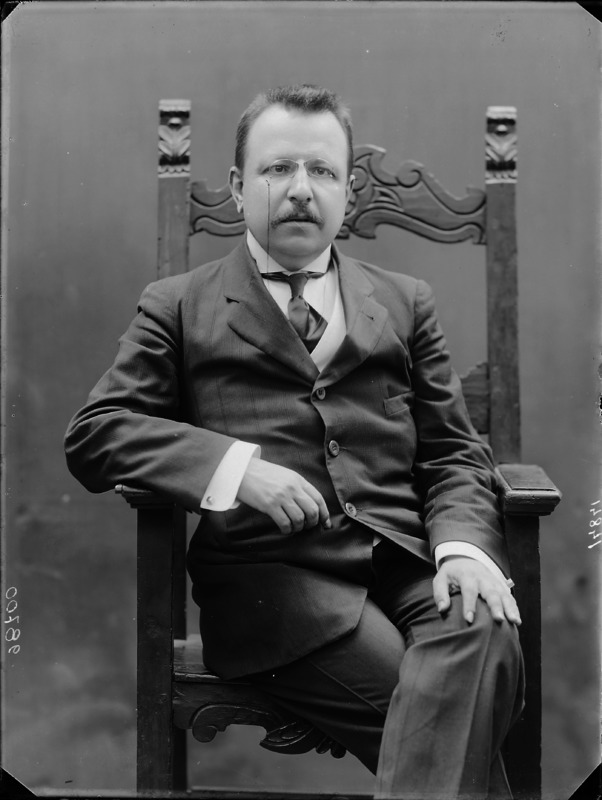
Téodor de Wyzewa was a Polish-born writer, critic, and translator who became a prominent figure in the French Symbolist movement. Born Teodor Wyżewski in 1862, he emigrated to France at the age of seven, where he would later establish himself as a leading exponent of Polish literature in the French cultural landscape. Wyzewa co-founded La Revue wagnérienne in 1885 with Édouard Dujardin, a publication that explored the intersections of literature and music, particularly the influence of Richard Wagner. His critical essays, especially his analyses of Stéphane Mallarmé's poetry, showcased his deep understanding of symbolism and its implications for art and literature. Wyzewa's translation of Jacobus de Voragine's Golden Legend into modern French also played a significant role in making this important work accessible to contemporary audiences. Wyzewa's literary significance is further underscored by his innovative concept of the "work of art of the future," which proposed that a novel could focus solely on the inner life of its author within a single day. This idea, although initially critiqued by Wyzewa in relation to Dujardin's novel Les lauriers sont coupés, would later be fully realized by James Joyce in his groundbreaking work, Ulysses. Through his contributions to various periodicals, including Revue des deux mondes and Le Temps, Wyzewa left a lasting impact on the literary discourse of his time, bridging Polish and French cultures and influencing future generations of writers and critics until his death in 1917.
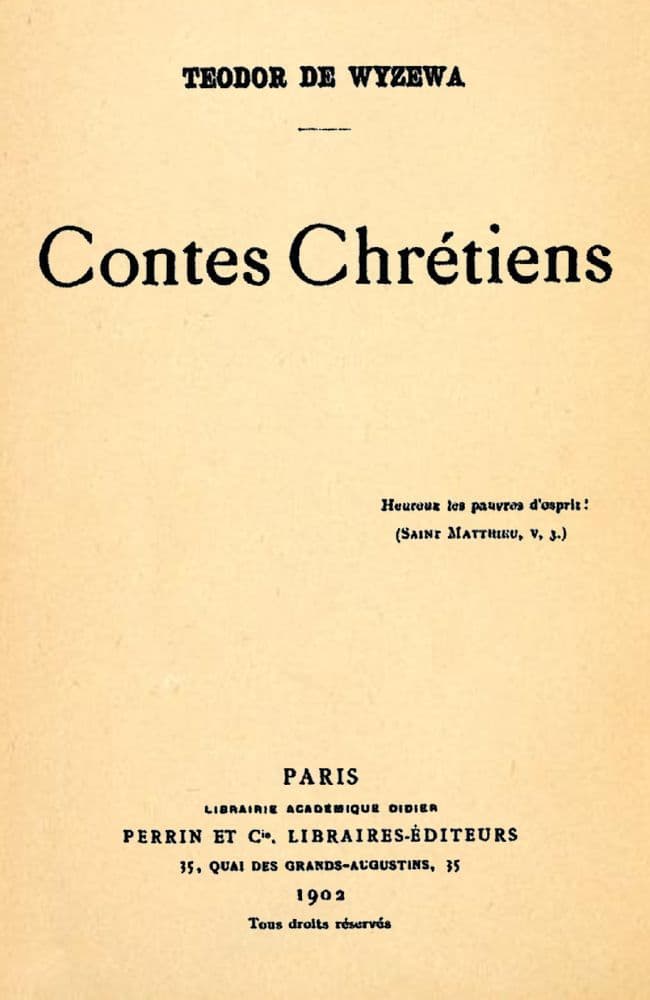
Books from the author




Link to this page
Add a free, dofollow link to Lex on your blog, forum, syllabus, or reading list.

<a href="https://lex-books.com/author/teodor-de-wyzewa"><img src="https://lex-books.com/badges/read-on-lex.svg" alt="Teodor de Wyzewa on Lex" width="160" height="40"></a>[](https://lex-books.com/author/teodor-de-wyzewa)[url=https://lex-books.com/author/teodor-de-wyzewa][img]https://lex-books.com/badges/read-on-lex.svg[/img][/url]Teodor de Wyzewa on Lex: https://lex-books.com/author/teodor-de-wyzewa