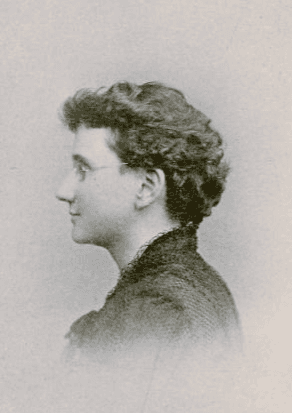
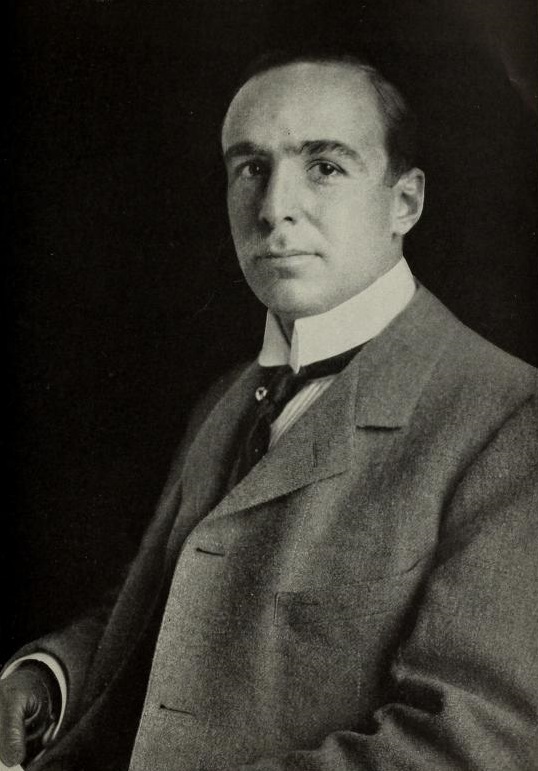
Adeline Knapp
Adeline E. Knapp was an influential American journalist, author, and social activist in the late 19th and early 20th centuries, known for her vibrant presence in the San Francisco Bay Area literary scene. Her writings, which appeared in The San Francisco Call, spanned a diverse array of topics, from agriculture to the political climate surrounding the Annexation of Hawaii. Despite her progressive advocacy for issues like child labor reform and environmental conservation, Knapp held controversial views, particularly regarding women's suffrage, which she publicly criticized. Her stance on suffrage aligned her with anti-suffragist sentiments, as she expressed doubts about the benefits of voting rights for women during state senate hearings in New York. In addition to her journalism, Knapp authored numerous short stories and a novel set in the Arizona desert, showcasing her passion for outdoor life and Western regionalism. Although her works were well-received during her lifetime, they have since faded from contemporary literary discourse. Knapp's complex legacy is further enriched by her close relationship with fellow writer Charlotte Perkins Gilman, which has led to speculation about its romantic nature. Today, Knapp is remembered not only for her contributions to literature and journalism but also for her multifaceted views on social issues, which reflect the complexities of her era.
Famous Quotes
View all 3 quotes“I use no figure of speech when I say that we may now buy our books in bulk. I saw, only this morning, the advertisement of a large dry goods “emporium” (’tis laces and literature now) wherein is announced for sale the bound volumes of a popular magazine. “Over eight pounds of the choicest reading, bound in the usual style—olive green.”
“There is a fearful moment of reckoning before us should it ever chance that when all our trees shall have been sacrificed on the altar of the patron-fiend of news, the newspaper supply shall suddenly be cut off and we find ourselves some fine morning minus our tidbits of shame and failure and disaster, left to the companionship of our own thoughts. Dante never imagined a terror like this.”
“Once upon a time man conceived the belief that this universe, with its many worlds swinging through space, was created for him. He fancied that the sun shone by day to warm and vivify him; that the stars of night were none other than lamps to his feet; that the other animals existed to afford him food and clothing—and sport; that the very flowers of the field blossomed and fruited and were beautiful for his gratification. In fact, man conceived the belief that instead of being the wise brother and helper of this creation amidst which he moves, he was the great central pivot upon which all revolves. A sorry lesson, surely, for man to read into the broad, open page of Nature’s great book. Small wonder that to him in his meanness its message came as “the painful riddle of the earth.” But it was the best he could do: the best any of us can do until we have learned the great lesson of the ancient Wise One has written out for us—which she will teach us, in time, through death, if we will not let her teach it through life: the lesson that use is not appropriation; that appropriation sets use to groan and sweat under fardels of evil.”
Books from the author

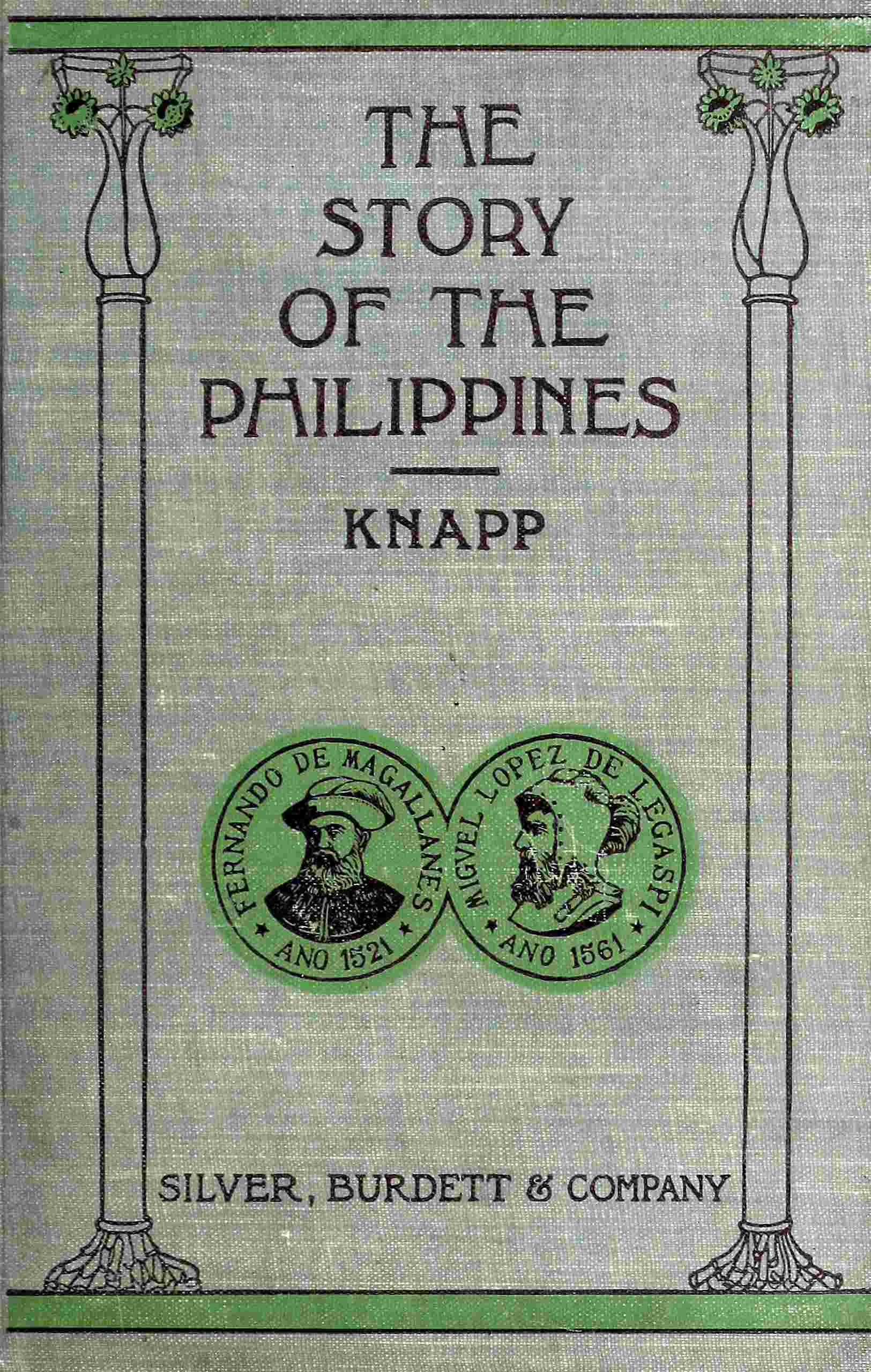
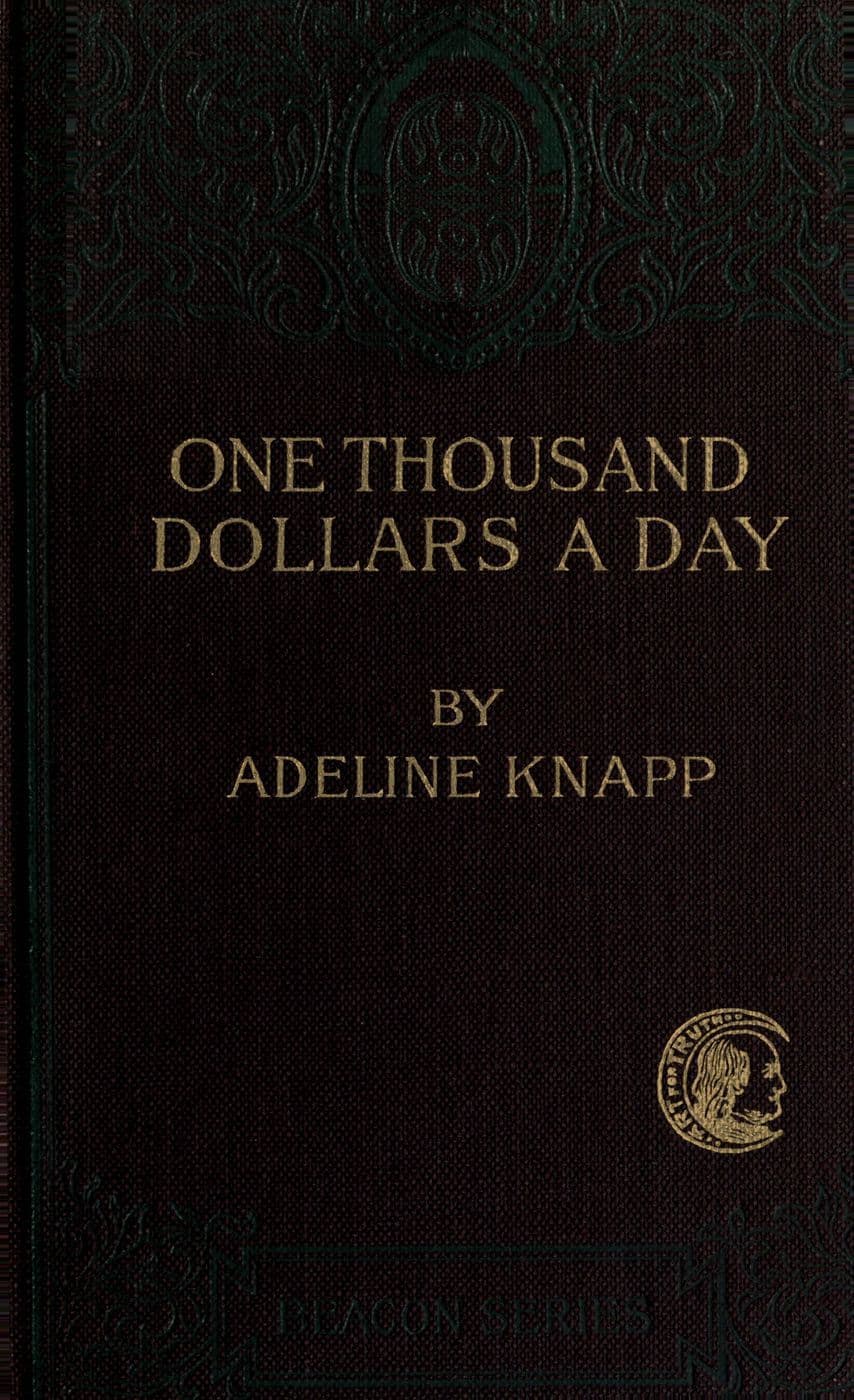


Link to this page
Add a free, dofollow link to Lex on your blog, forum, syllabus, or reading list.

<a href="https://lex-books.com/author/adeline-knapp"><img src="https://lex-books.com/badges/read-on-lex.svg" alt="Adeline Knapp on Lex" width="160" height="40"></a>[](https://lex-books.com/author/adeline-knapp)[url=https://lex-books.com/author/adeline-knapp][img]https://lex-books.com/badges/read-on-lex.svg[/img][/url]Adeline Knapp on Lex: https://lex-books.com/author/adeline-knapp