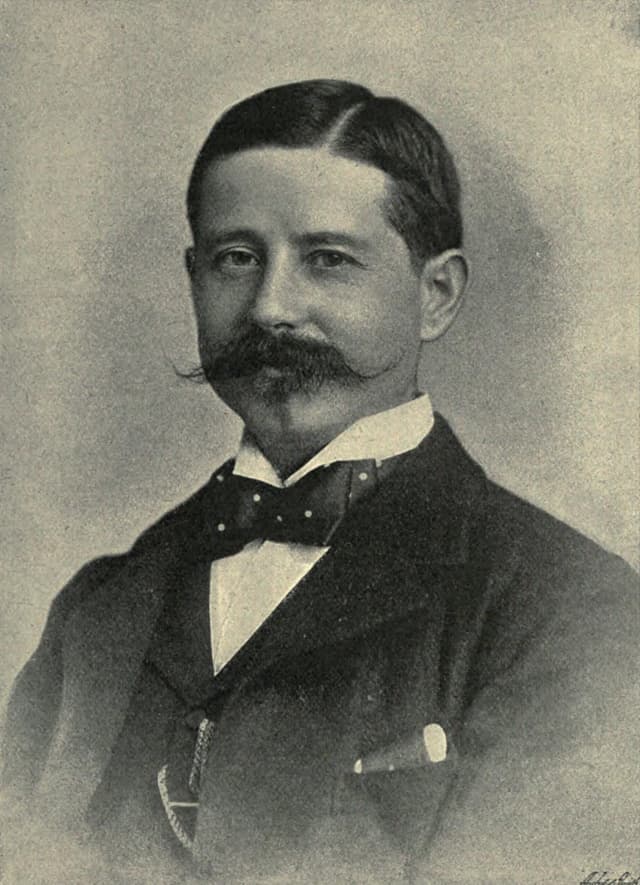
Harry Johnston
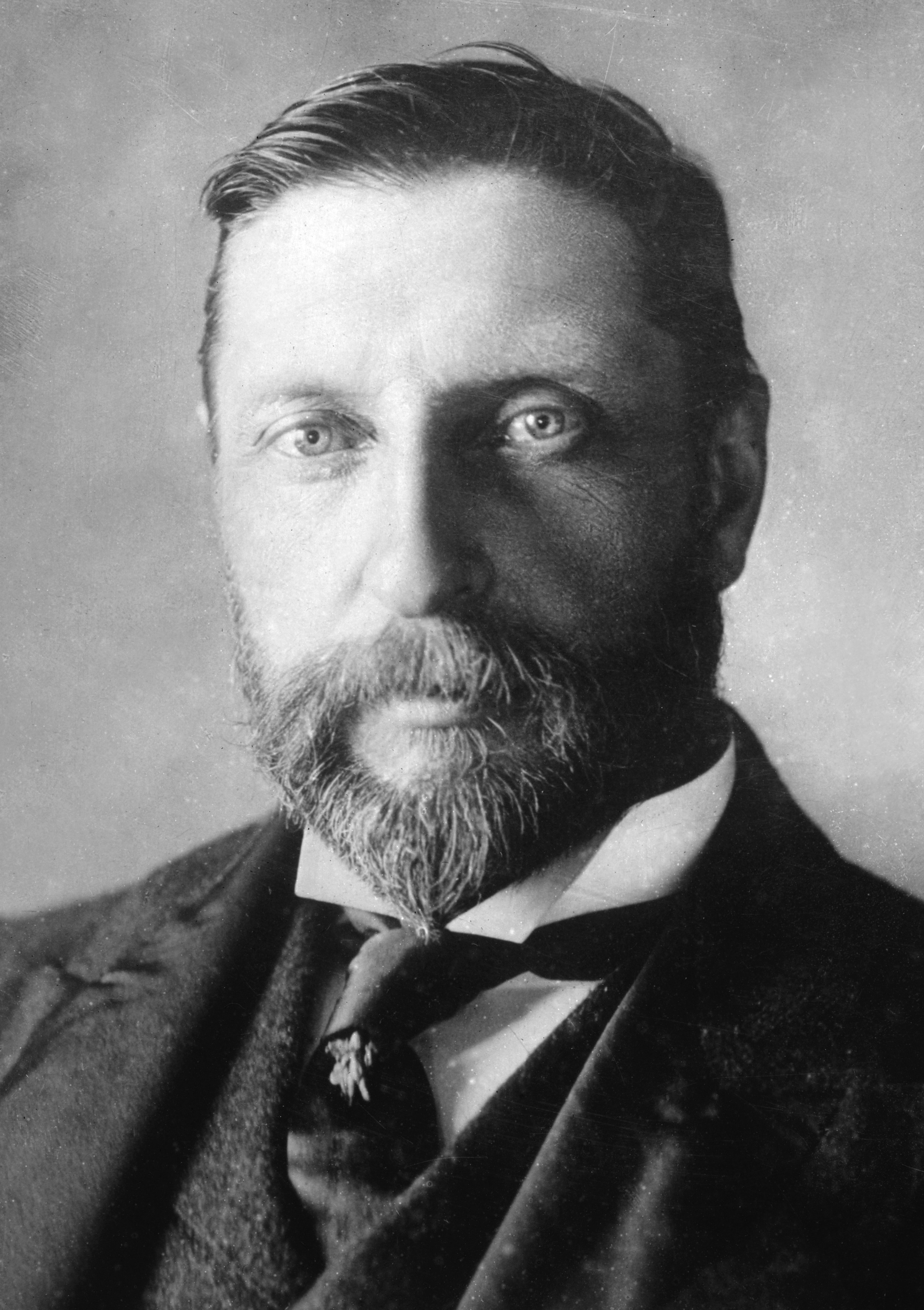
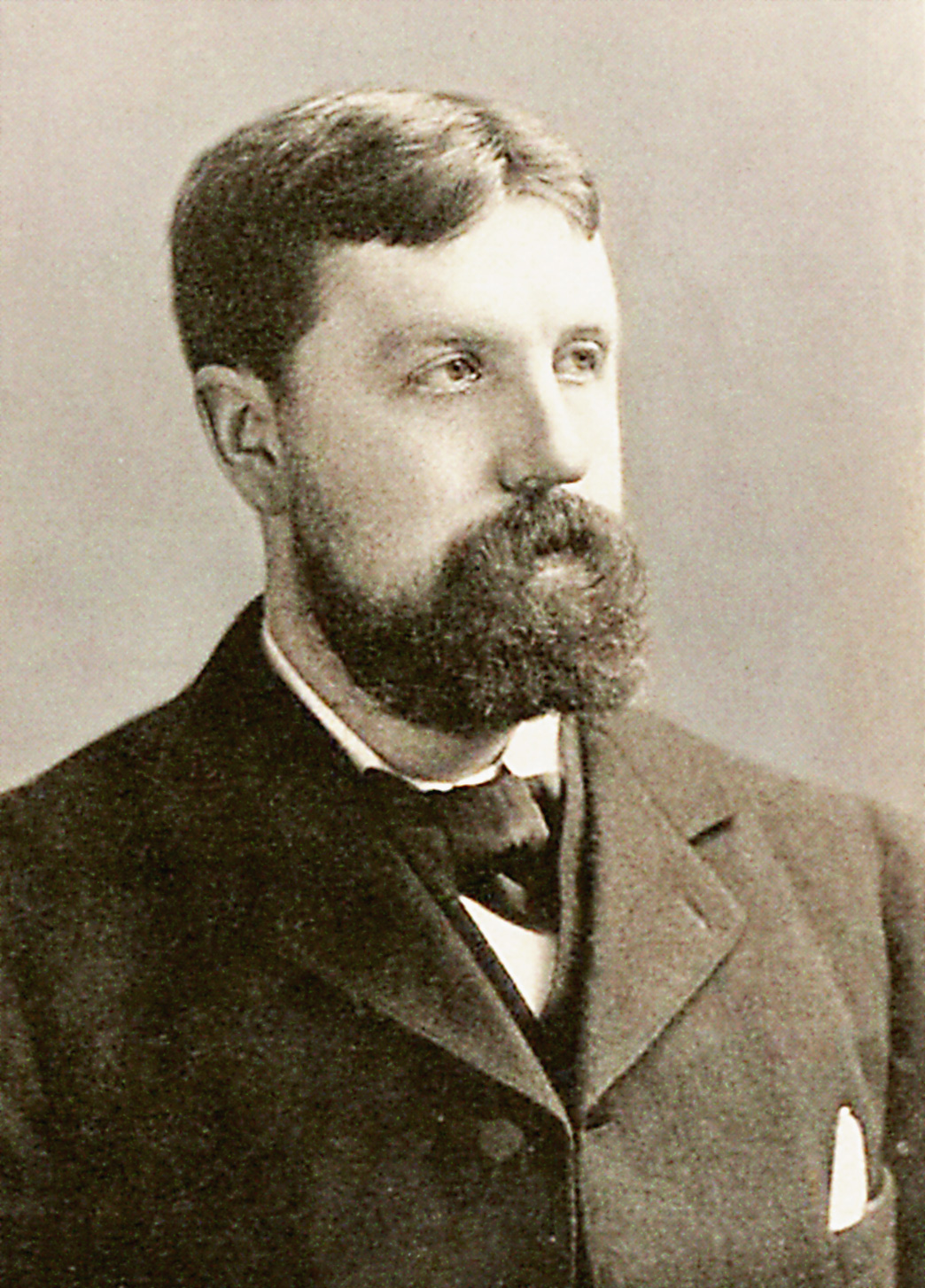
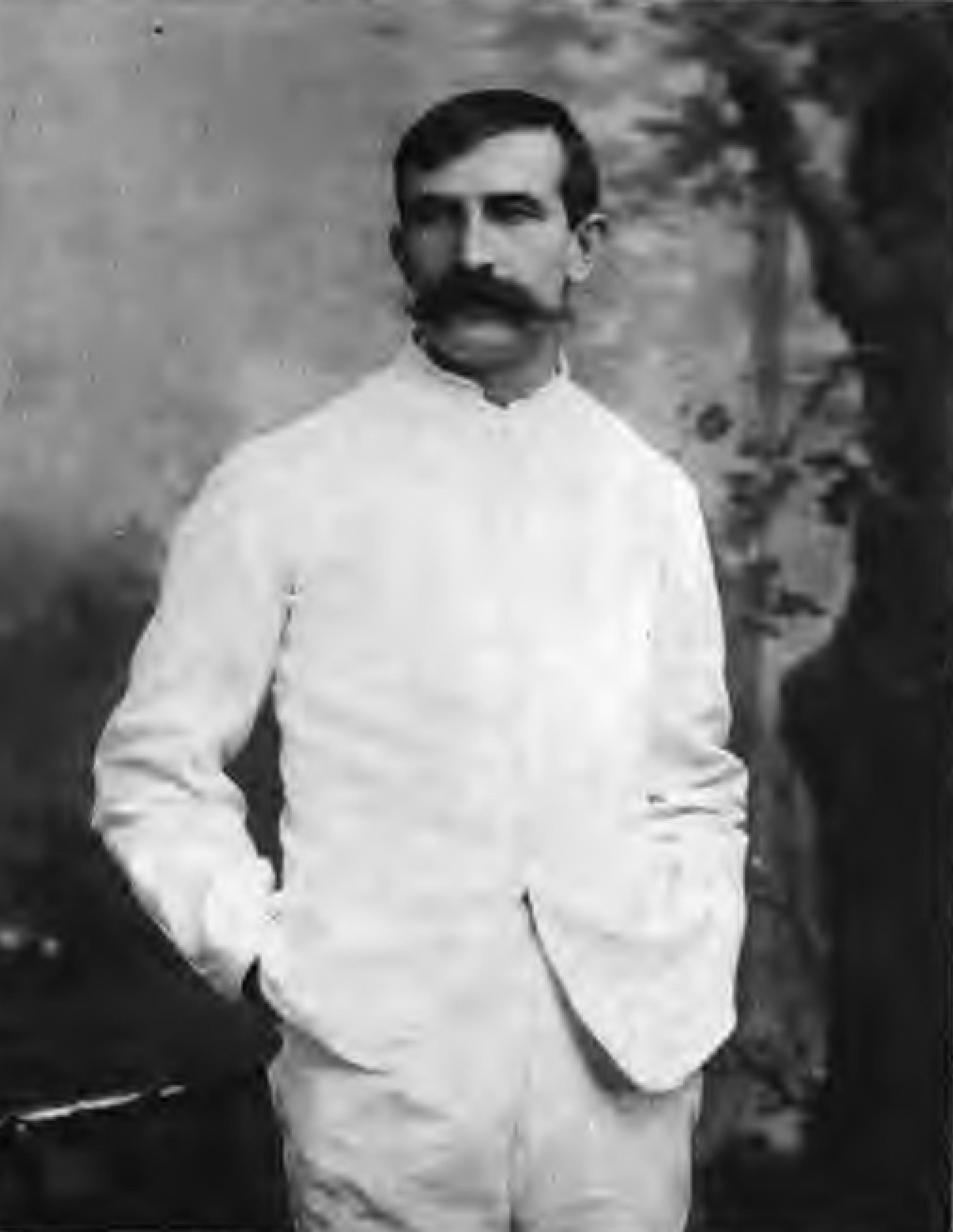
Sir Harry Hamilton Johnston was a multifaceted British explorer, botanist, artist, colonial administrator, and linguist, whose extensive travels across Africa profoundly shaped his work and legacy. He was deeply engaged in the Scramble for Africa during the late 19th century, a period marked by intense competition among European powers for territorial control of the continent. Johnston's explorations not only contributed to the geographical and cultural understanding of Africa but also highlighted the complexities of colonialism and its impacts on indigenous populations. Over his lifetime, Johnston authored approximately 40 books that encompassed a wide range of topics related to Africa, including its flora, fauna, and diverse cultures. His notable works include 'The Uganda Protectorate' and 'British Central Africa,' which provided detailed accounts of his experiences and observations. Johnston's writings were significant for their blend of scientific inquiry and personal narrative, offering insights into the landscapes and peoples he encountered. His contributions to botany and linguistics further cemented his status as a prominent figure in the study of African cultures and environments, leaving a lasting legacy in both literary and scientific fields.
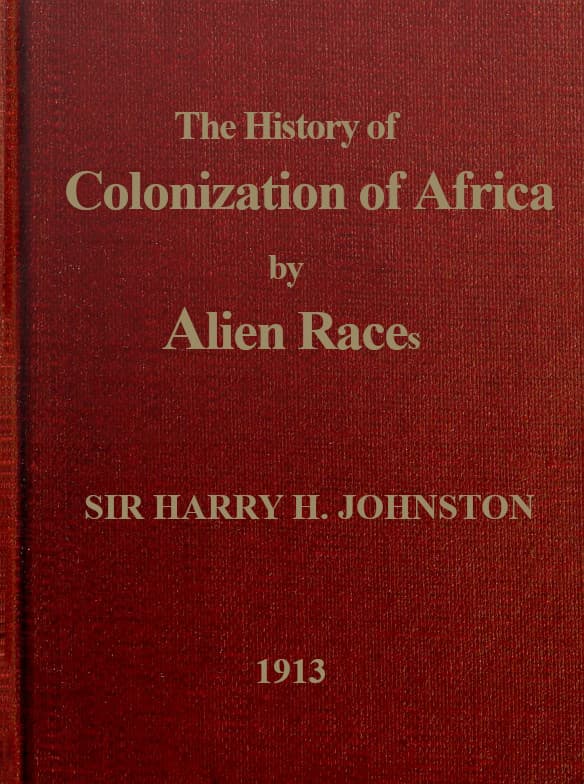
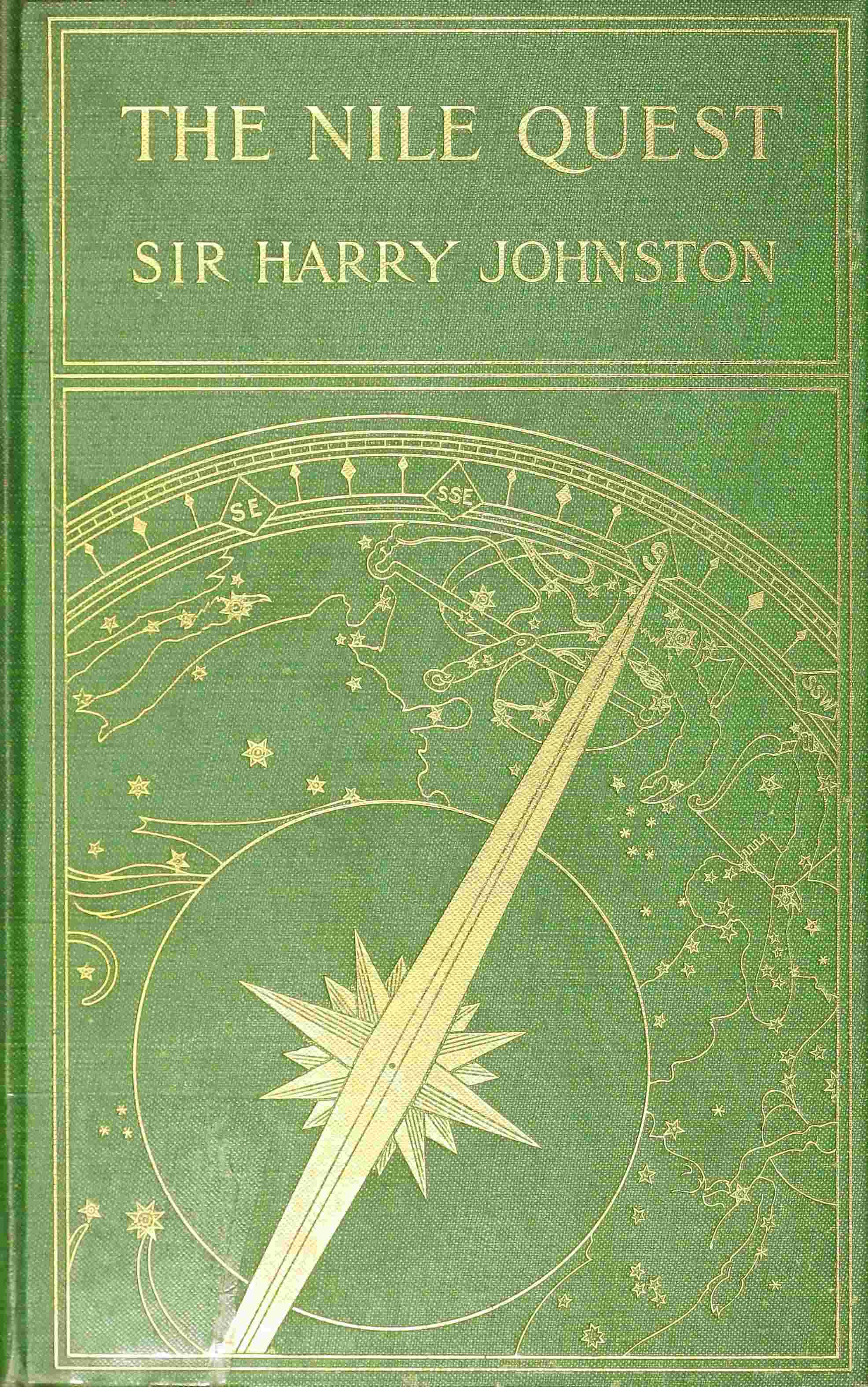
Books from the author






Link to this page
Add a free, dofollow link to Lex on your blog, forum, syllabus, or reading list.

<a href="https://lex-books.com/author/harry-johnston"><img src="https://lex-books.com/badges/read-on-lex.svg" alt="Harry Johnston on Lex" width="160" height="40"></a>[](https://lex-books.com/author/harry-johnston)[url=https://lex-books.com/author/harry-johnston][img]https://lex-books.com/badges/read-on-lex.svg[/img][/url]Harry Johnston on Lex: https://lex-books.com/author/harry-johnston