The Life of George Stephenson and of His Son Robert Stephenson: Comprising Also a History of the Invention and Introduction of the Railway Locomotive
1857
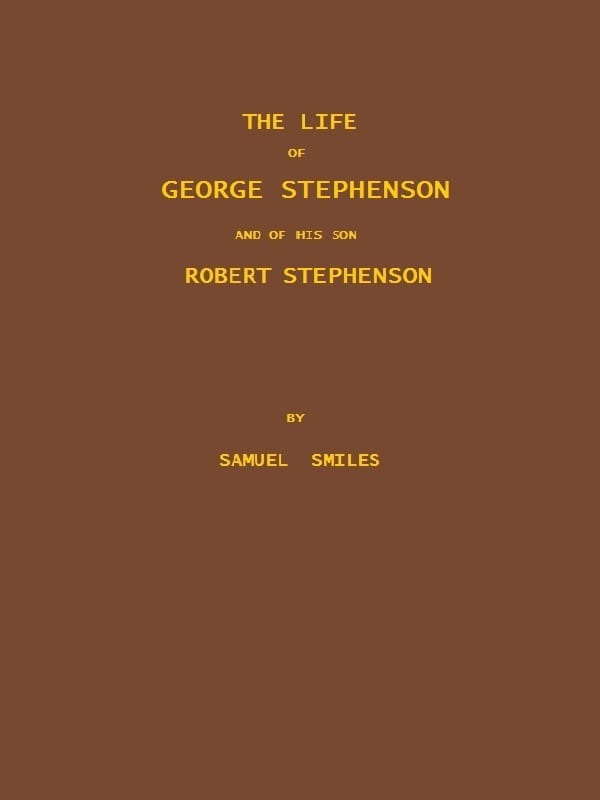
The Life of George Stephenson and of His Son Robert Stephenson: Comprising Also a History of the Invention and Introduction of the Railway Locomotive
1857
A historical account written in the mid-19th century. The book explores the lives and innovations of George Stephenson, known as the ''Father of Railways,'' and his son Robert, both pivotal figures in the development of railway locomotion. It highlights their contributions to engineering and the evolution of the railway system, capturing their significant impact on transportation and society. At the start of the work, the author introduces the concept of rapid transit and the historical context leading to the invention of the locomotive. It discusses early attempts at mechanized transport, including the role of steam power and the development of railways in coal-rich areas of England. The narrative highlights the gradual evolution of transportation methods and the trial-and-error nature of inventions that ultimately laid the groundwork for modern railways, setting the stage for a deeper understanding of George and Robert Stephenson's contributions as both innovators and engineers.
Editions
Link to this book
Add a free, dofollow link to Lex on your blog, forum, syllabus, or reading list.

<a href="https://lex-books.com/book/the-life-of-george-stephenson-and-of-his-son-robert-stephenson-comprising-also-a-88aee95a-ac9c-4230-8ab1-cbbdc5fd4125"><img src="https://lex-books.com/badges/read-on-lex.svg" alt="Read The Life of George Stephenson and of His Son Robert Stephenson: Comprising Also a History of the Invention and Introduction of the Railway Locomotive by Samuel Smiles free on Lex" width="160" height="40"></a>[](https://lex-books.com/book/the-life-of-george-stephenson-and-of-his-son-robert-stephenson-comprising-also-a-88aee95a-ac9c-4230-8ab1-cbbdc5fd4125)[url=https://lex-books.com/book/the-life-of-george-stephenson-and-of-his-son-robert-stephenson-comprising-also-a-88aee95a-ac9c-4230-8ab1-cbbdc5fd4125][img]https://lex-books.com/badges/read-on-lex.svg[/img][/url]Read The Life of George Stephenson and of His Son Robert Stephenson: Comprising Also a History of the Invention and Introduction of the Railway Locomotive by Samuel Smiles free on Lex: https://lex-books.com/book/the-life-of-george-stephenson-and-of-his-son-robert-stephenson-comprising-also-a-88aee95a-ac9c-4230-8ab1-cbbdc5fd4125Cite this book
Reading this edition for a paper or guide? Copy a citation.
Smiles, Samuel. The Life of George Stephenson and of His Son Robert Stephenson: Comprising Also a History of the Invention and Introduction of the Railway Locomotive. Lex, lex-books.com/book/the-life-of-george-stephenson-and-of-his-son-robert-stephenson-comprising-also-a-88aee95a-ac9c-4230-8ab1-cbbdc5fd4125.Smiles, S. (1857). The Life of George Stephenson and of His Son Robert Stephenson: Comprising Also a History of the Invention and Introduction of the Railway Locomotive. Lex. https://lex-books.com/book/the-life-of-george-stephenson-and-of-his-son-robert-stephenson-comprising-also-a-88aee95a-ac9c-4230-8ab1-cbbdc5fd4125Smiles, Samuel. The Life of George Stephenson and of His Son Robert Stephenson: Comprising Also a History of the Invention and Introduction of the Railway Locomotive. Lex. https://lex-books.com/book/the-life-of-george-stephenson-and-of-his-son-robert-stephenson-comprising-also-a-88aee95a-ac9c-4230-8ab1-cbbdc5fd4125.