Richard Rush
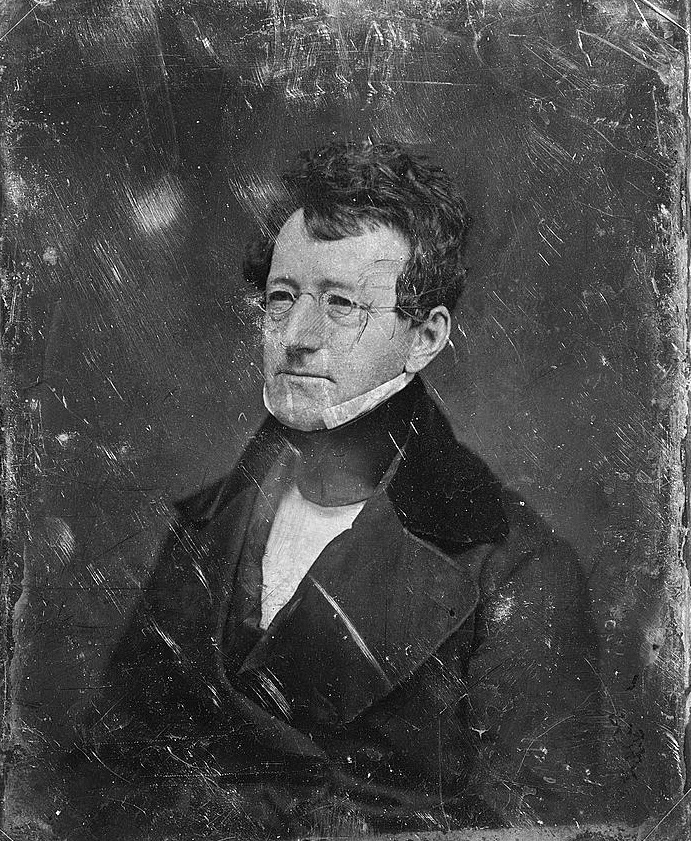
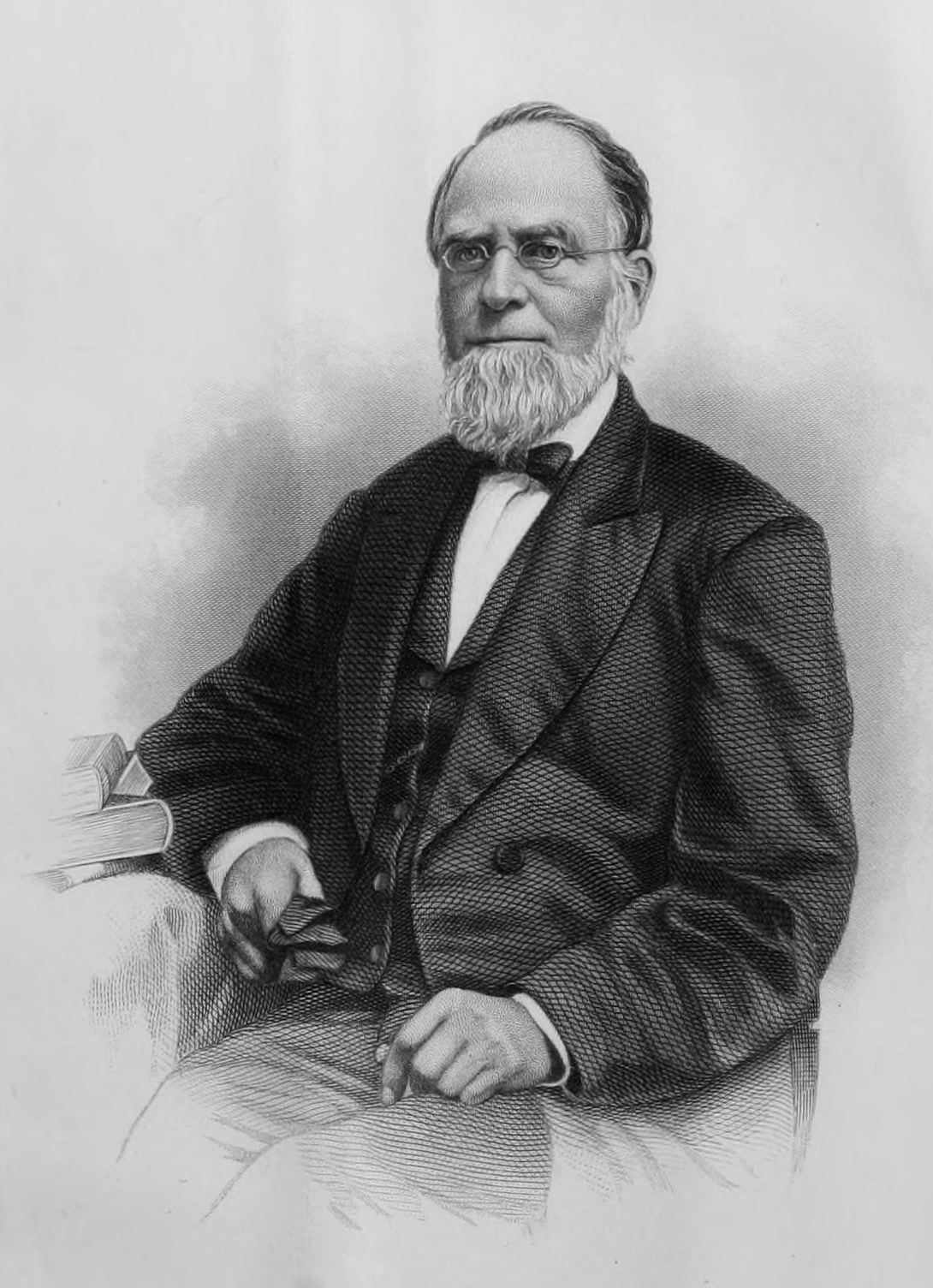
Richard Rush was an influential American lawyer, politician, and diplomat whose career spanned several key roles in the early years of the United States. Born in 1780, he served as the 8th United States Attorney General from 1814 to 1817, where he became a trusted advisor to President James Madison during the War of 1812. His legal acumen and political insight led to his appointment as the 8th Secretary of the Treasury under President John Quincy Adams from 1825 to 1829. Rush's political career was marked by significant contributions, including his role as the acting Secretary of State and his involvement in the negotiation of the Rush–Bagot Treaty, which limited naval forces on the Great Lakes, a pivotal agreement in U.S.-British relations. Beyond his domestic achievements, Rush's diplomatic efforts were notable. He served as the U.S. ambassador to Britain from 1818 to 1825, where he negotiated the Treaty of 1818, establishing the boundary between the United States and Canada. His discussions with British Foreign Secretary George Canning were instrumental in shaping the Monroe Doctrine, a cornerstone of American foreign policy. Additionally, Rush was a founding member of the Smithsonian Institution's board of regents, reflecting his commitment to education and culture. His legacy as a key figure in early American governance and diplomacy endures, marking him as a significant contributor to the nation's formative years.
Famous Quotes
View all 15 quotes“I woke up in the morning and I didn’t want anything, didn’t do anything, couldn’t do it anyway, just lay there listening to the blood rushthrough me and it never made any sense, anything.””
“For all that we have done, as a civilization, as individuals, the universe is not stable, and nor is any single thing within it. Stars consume themselves, the universe itself rushes apart, and we ourselves are composed of matter in constant flux. Colonies of cells in temporary alliance, replicating and decaying and housed within, an incandescent cloud of electrical impulse and precariously stacked carbon code memory. This is reality, this is self knowledge, and the perception of it will, of course, make you dizzy.””
“How I'm rushing through this! How much each sentence in this brief story contains. "The stars are made of the same atoms as the earth." I usually pick one small topic like this to give a lecture on. Poets say science takes away from the beauty of the stars”
Books from the author






Link to this page
Add a free, dofollow link to Lex on your blog, forum, syllabus, or reading list.

<a href="https://lex-books.com/author/richard-rush"><img src="https://lex-books.com/badges/read-on-lex.svg" alt="Richard Rush on Lex" width="160" height="40"></a>[](https://lex-books.com/author/richard-rush)[url=https://lex-books.com/author/richard-rush][img]https://lex-books.com/badges/read-on-lex.svg[/img][/url]Richard Rush on Lex: https://lex-books.com/author/richard-rush