
Reginald Scot
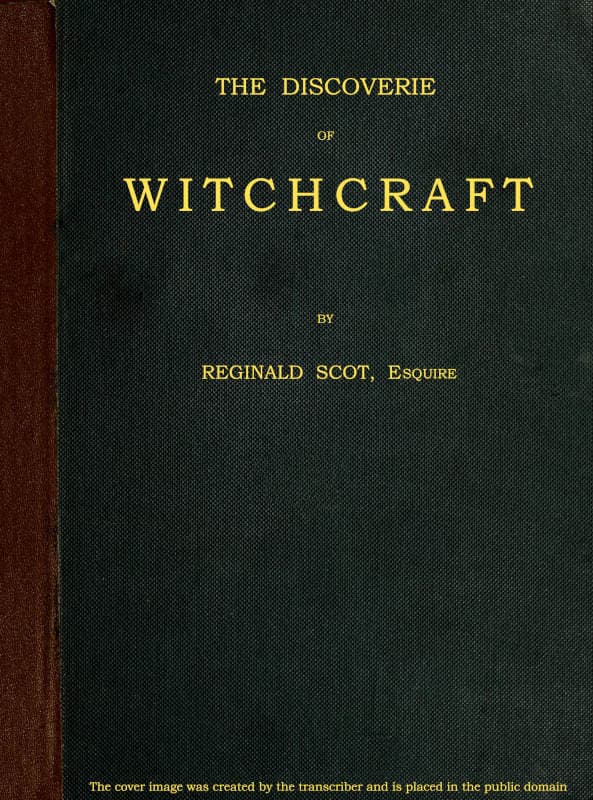
Reginald Scot was an Englishman best known for his pioneering work in the field of skepticism regarding witchcraft and superstition. Born around 1538, Scot lived during a time when belief in witchcraft was rampant, and the persecution of supposed witches was common. His most significant work, 'The Discoverie of Witchcraft,' published in 1584, challenged the prevailing notions of witchcraft and magic, arguing that such beliefs were rooted in ignorance and fear rather than reality. Scot's treatise was notable not only for its critical stance against witch hunts but also for its early advocacy of rational thought and empirical evidence, which would later influence the Enlightenment thinkers who followed him. In 'The Discoverie of Witchcraft,' Scot employed a blend of humor and serious argumentation to debunk various magical practices and expose the frauds behind them. His work included discussions on the nature of magic, the psychology of belief, and the social implications of witch hunts. Although Scot faced significant backlash for his views, which were considered heretical at the time, his writings contributed to a gradual shift in public perception regarding witchcraft and superstition. Reginald Scot's legacy endures as a precursor to modern skepticism and rationalism, making him a significant figure in the history of literature and thought.
Books from the author


Link to this page
Add a free, dofollow link to Lex on your blog, forum, syllabus, or reading list.

<a href="https://lex-books.com/author/reginald-scot"><img src="https://lex-books.com/badges/read-on-lex.svg" alt="Reginald Scot on Lex" width="160" height="40"></a>[](https://lex-books.com/author/reginald-scot)[url=https://lex-books.com/author/reginald-scot][img]https://lex-books.com/badges/read-on-lex.svg[/img][/url]Reginald Scot on Lex: https://lex-books.com/author/reginald-scot