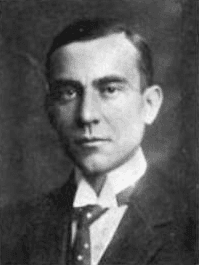
Ralph Barton Perry
Ralph Barton Perry was an influential American philosopher known for his moral idealism and contributions to the field of ethics. He articulated a vision of idealism that sought to harmonize ethical, scientific, and metaphysical truths, emphasizing the importance of reason and social progress in religious thought. His philosophical stance was a response to the challenges of modernity, advocating for a worldview that embraced human rationality while remaining open to spiritual dimensions. Perry's notable works include "The Thought and Character of William James," which explored the philosophy of his mentor and friend, and "General Theory of Value," where he examined the nature of values and their implications for human life. His writings significantly impacted American philosophy, particularly in the realms of ethics and the philosophy of religion. Perry's legacy endures through his commitment to integrating moral ideals with a rational understanding of the world, positioning him as a key figure in the development of 20th-century philosophical thought.
Famous Quotes
View all 2 quotes“The power of church, state, school or public opinion, or of a monopoly of the instruments of communication, may be so used as to impoverish and imprison the mind. One idea insinuated into the mind may take possession of it and exercise a hypnotic spell. Two or more ideas are better, but if these are methodically selected to suit the purpose of an authority, they still deny freedom. Whoever determines what alternatives shall be made known to man controls what that man should choose from . He is deprived of freedom in proportion as he is denied access to any ideas, or is confined to any range of ideas short of the totality of relevant possibilities.”
“Those who refuse to take a step toward their goal because it does not at once reach the goal are likely to stand still or move backward.”
Books from the author






Link to this page
Add a free, dofollow link to Lex on your blog, forum, syllabus, or reading list.

<a href="https://lex-books.com/author/ralph-barton-perry"><img src="https://lex-books.com/badges/read-on-lex.svg" alt="Ralph Barton Perry on Lex" width="160" height="40"></a>[](https://lex-books.com/author/ralph-barton-perry)[url=https://lex-books.com/author/ralph-barton-perry][img]https://lex-books.com/badges/read-on-lex.svg[/img][/url]Ralph Barton Perry on Lex: https://lex-books.com/author/ralph-barton-perry