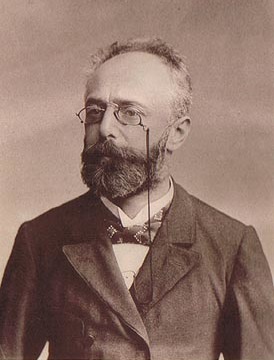
R. von Krafft-Ebing
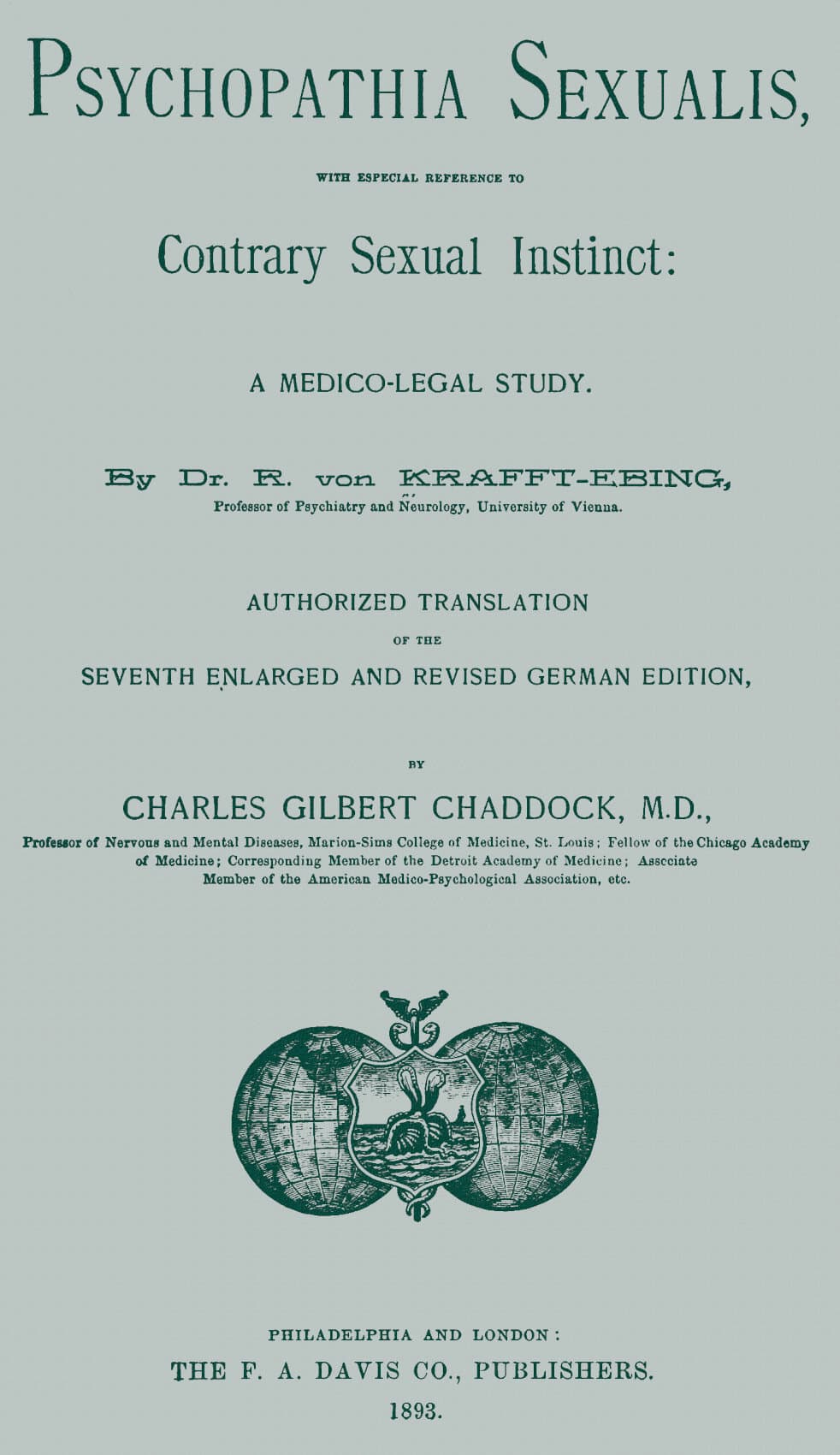
Richard von Krafft-Ebing was an influential Austrian psychiatrist and sexologist known for his pioneering work in the study of human sexuality. His most notable work, 'Psychopathia Sexualis,' published in 1886, systematically categorized various sexual behaviors and paraphilias, laying the groundwork for modern sexology. Krafft-Ebing's clinical observations and classifications of sexual deviance, including transvestism and homosexuality, were groundbreaking for their time, as they sought to understand and explain the complexities of sexual identity and behavior rather than merely condemning them. His contributions to the field were significant, as he introduced a medical perspective to sexual orientation and identity, which influenced both contemporary and future discussions on sexuality. Despite the controversial nature of his work, Krafft-Ebing's research provided a foundation for later sexologists and contributed to the eventual decriminalization and destigmatization of various sexual orientations. His legacy endures in the ongoing discourse surrounding gender and sexual identity, marking him as a key figure in the evolution of sexology as a legitimate scientific discipline.
Books from the author


Link to this page
Add a free, dofollow link to Lex on your blog, forum, syllabus, or reading list.

<a href="https://lex-books.com/author/r-von-krafft-ebing-2"><img src="https://lex-books.com/badges/read-on-lex.svg" alt="R. von Krafft-Ebing on Lex" width="160" height="40"></a>[](https://lex-books.com/author/r-von-krafft-ebing-2)[url=https://lex-books.com/author/r-von-krafft-ebing-2][img]https://lex-books.com/badges/read-on-lex.svg[/img][/url]R. von Krafft-Ebing on Lex: https://lex-books.com/author/r-von-krafft-ebing-2