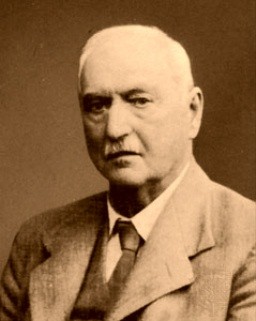
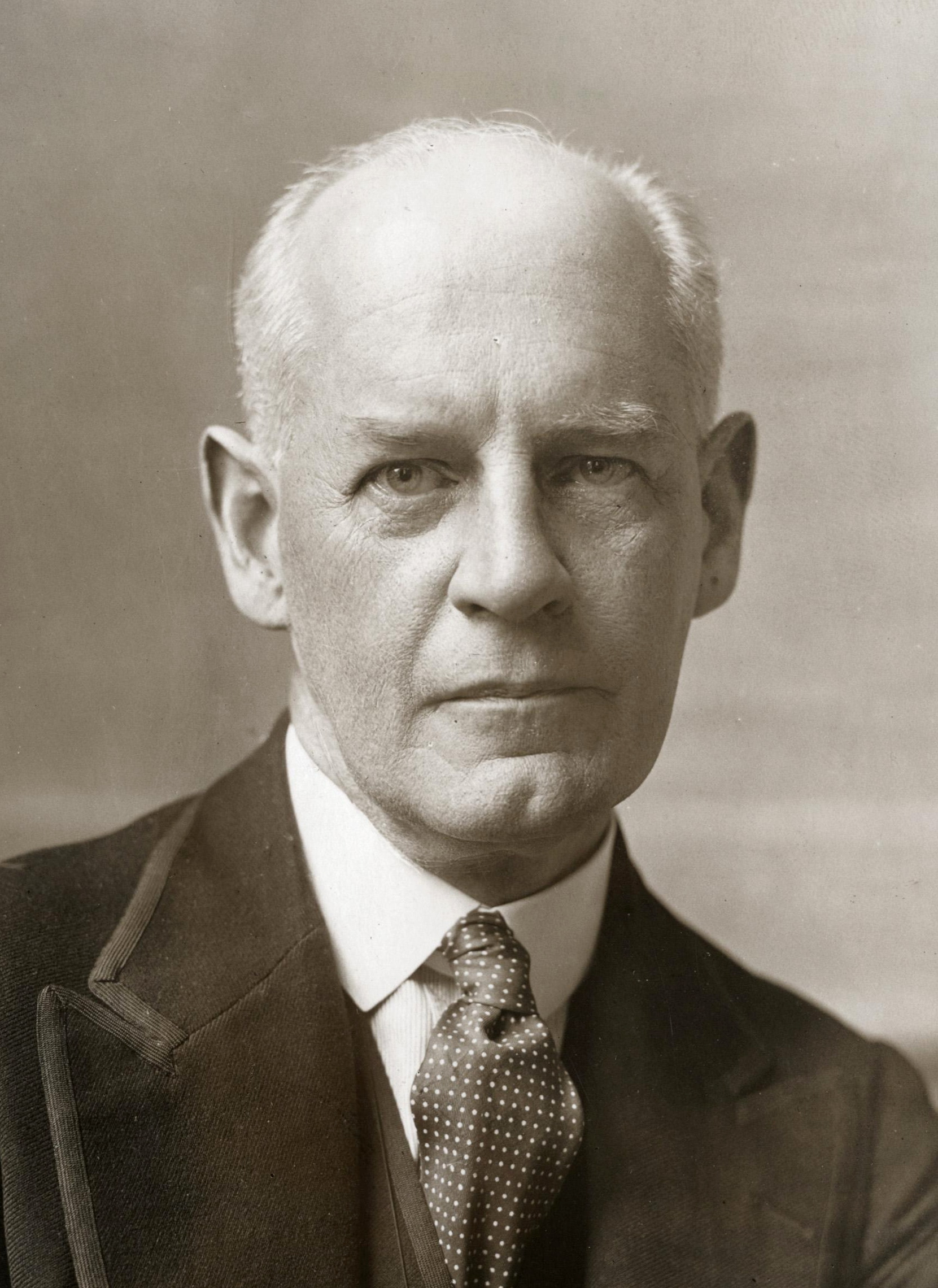
R. Austin Freeman
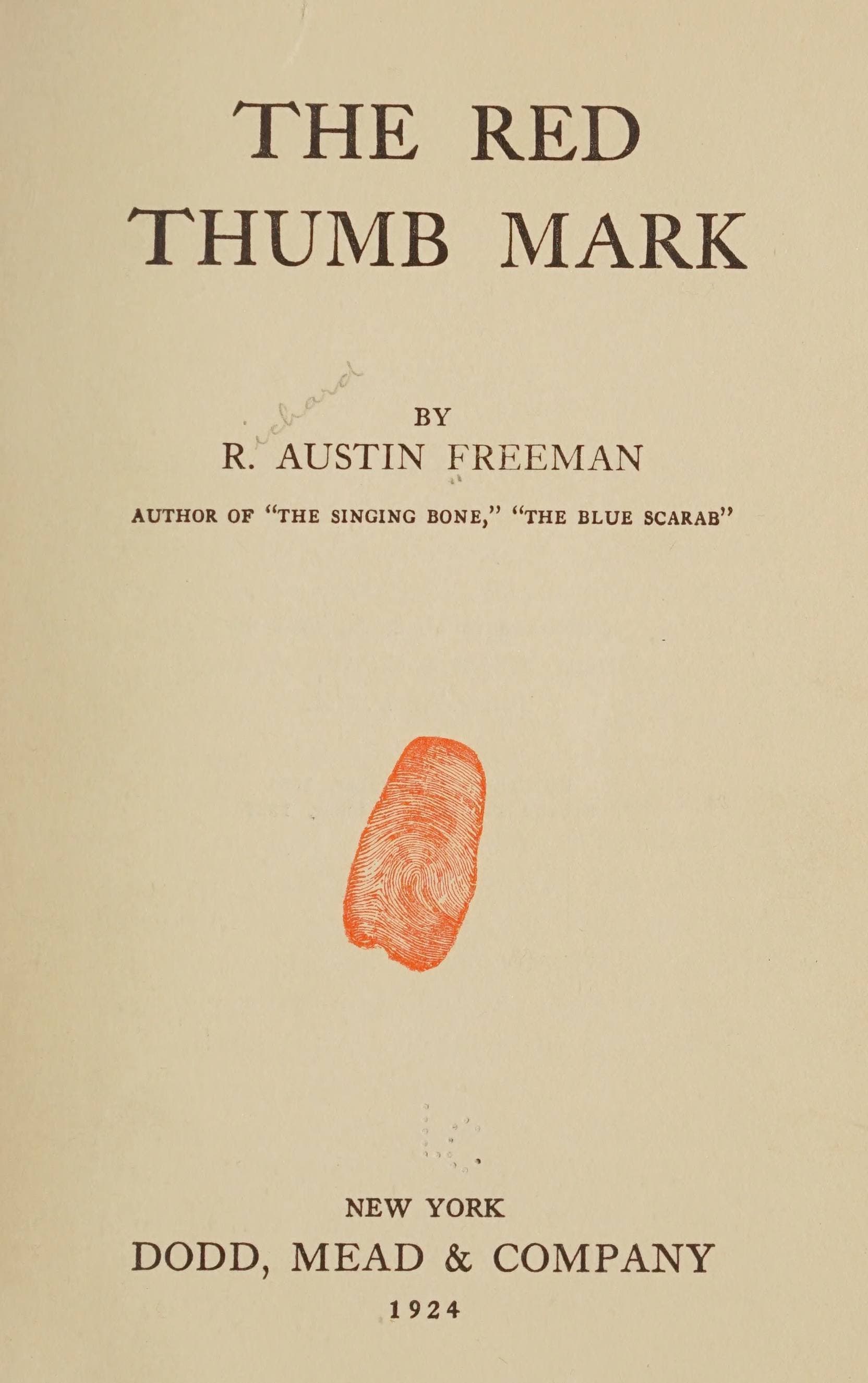
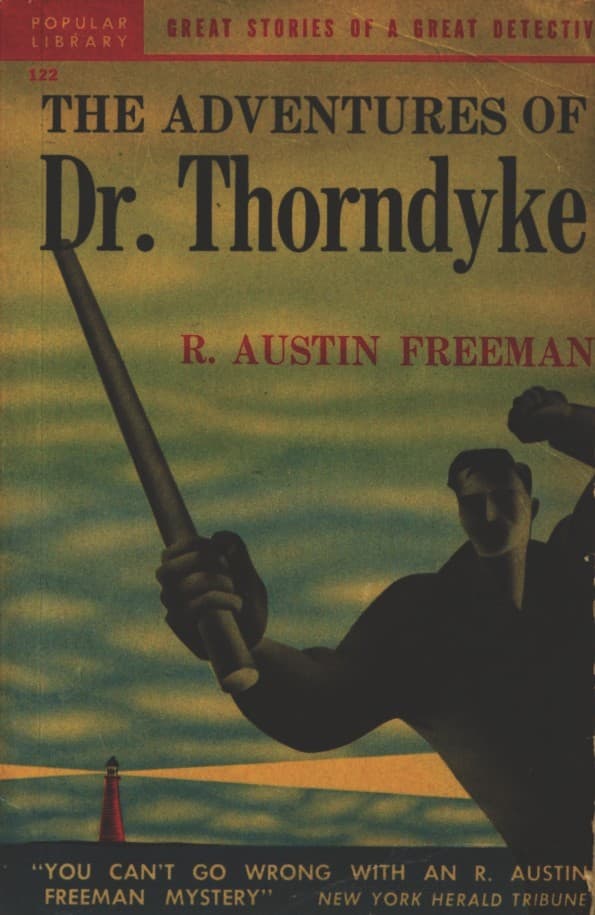
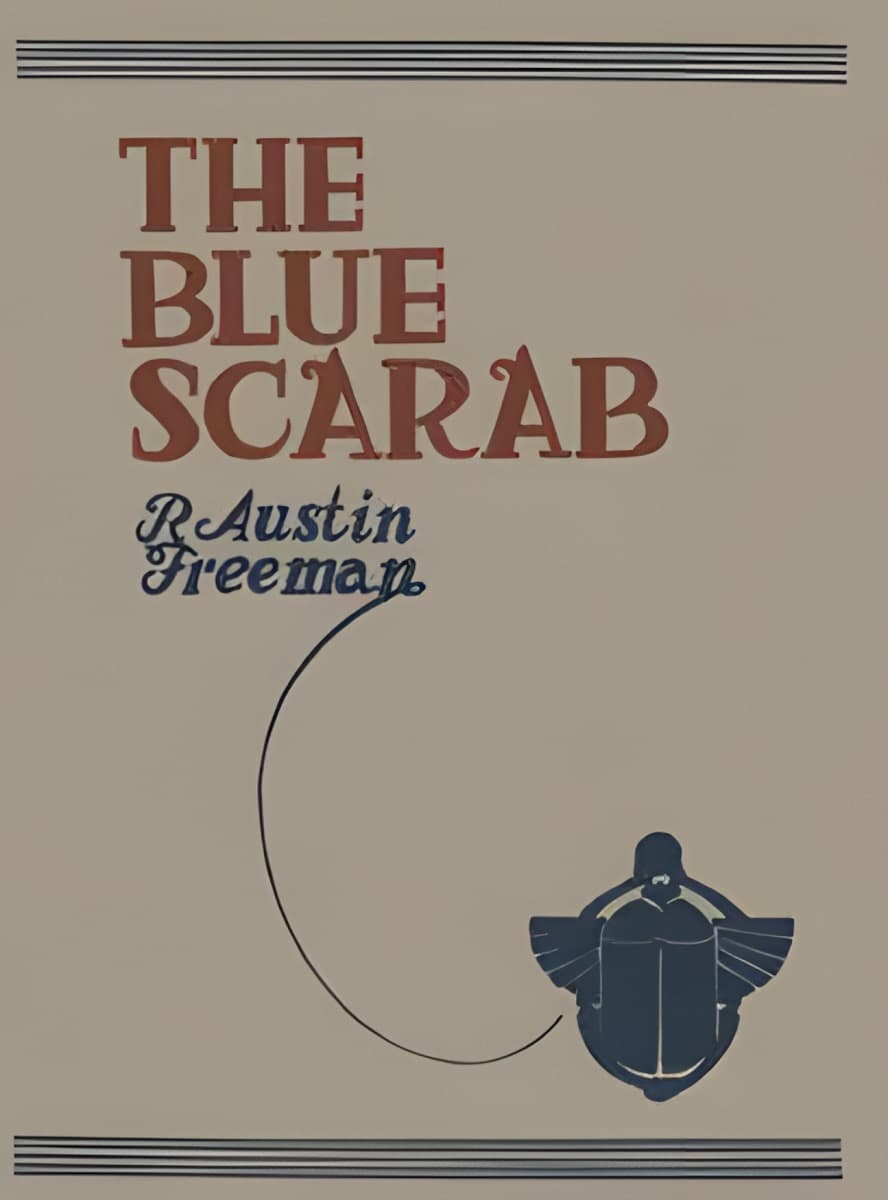
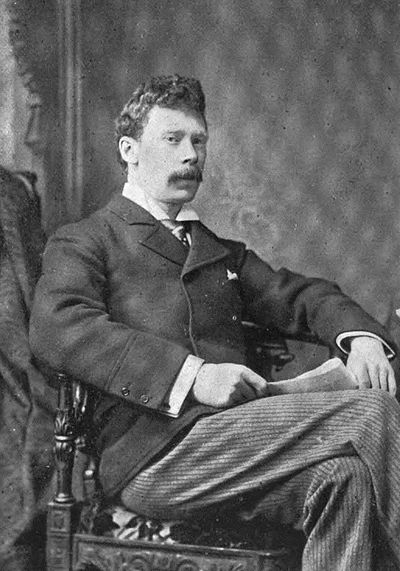
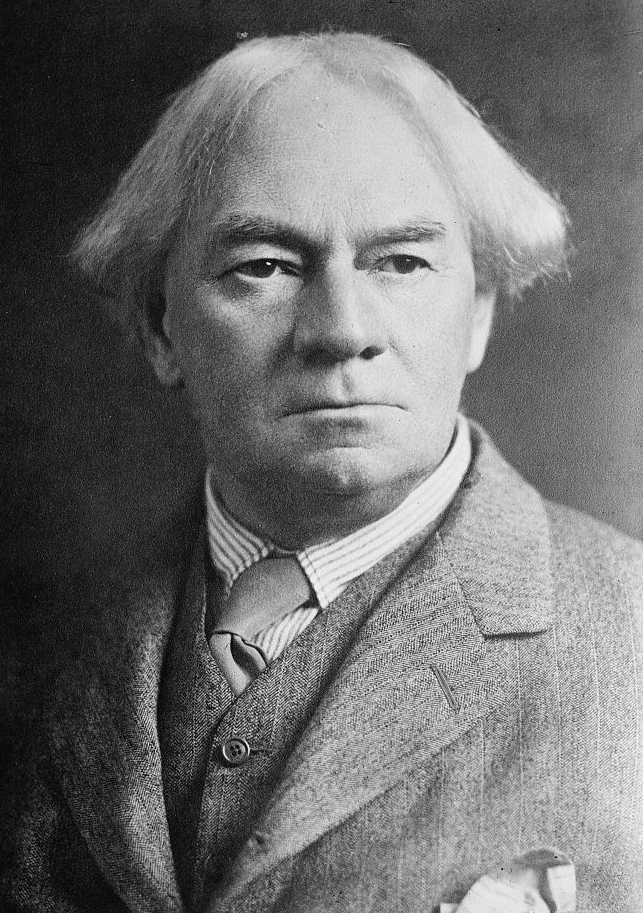
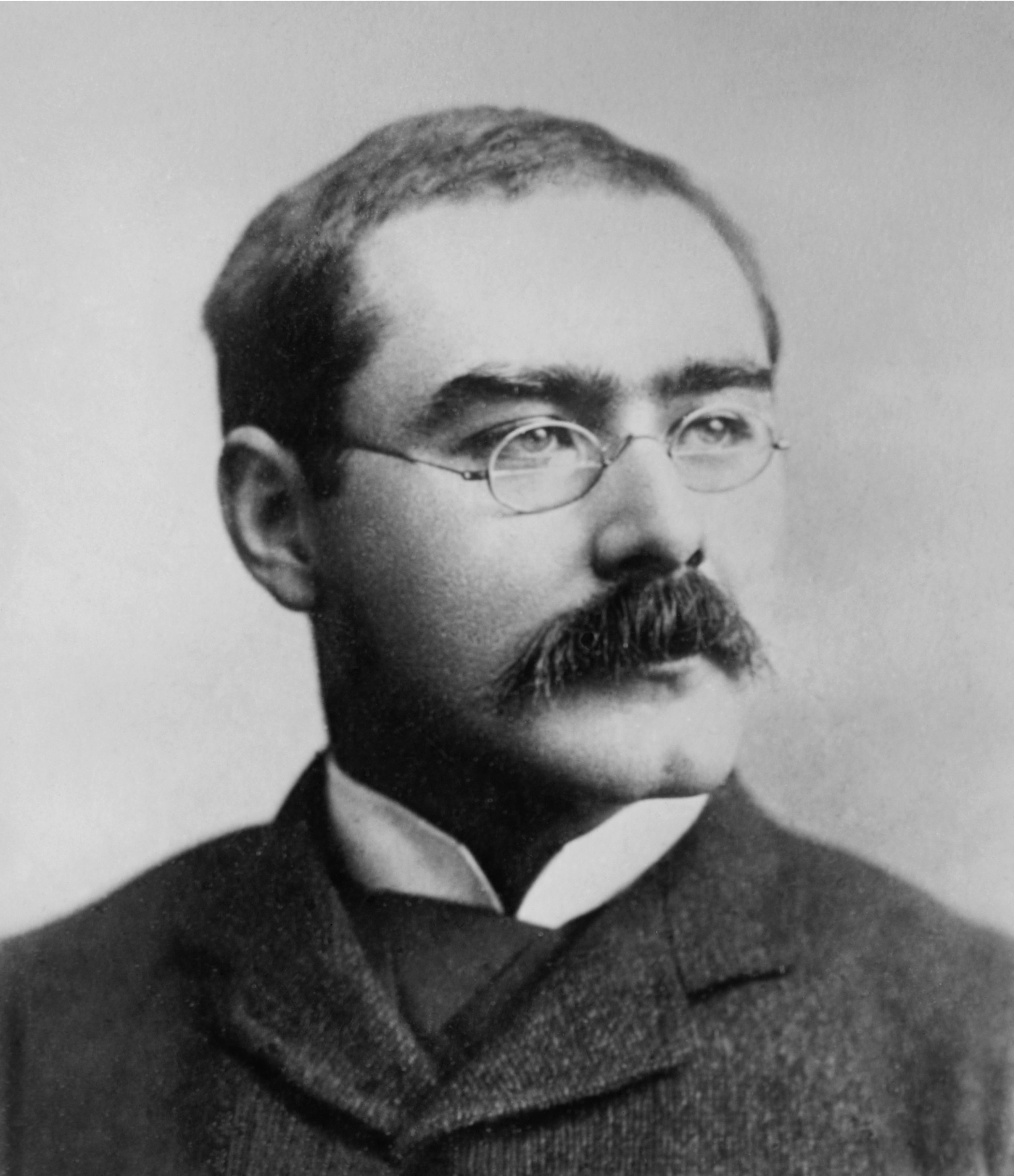
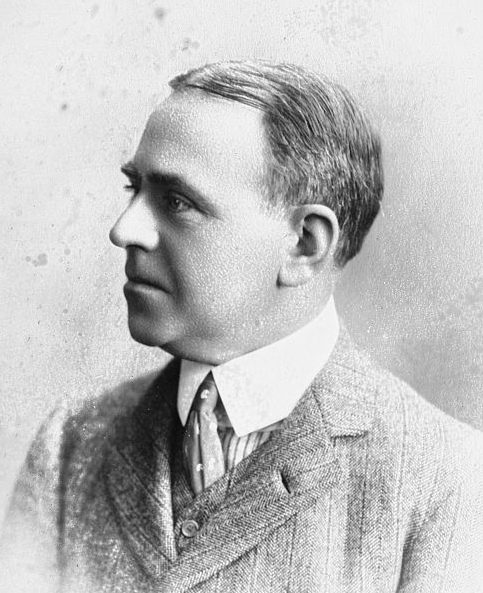
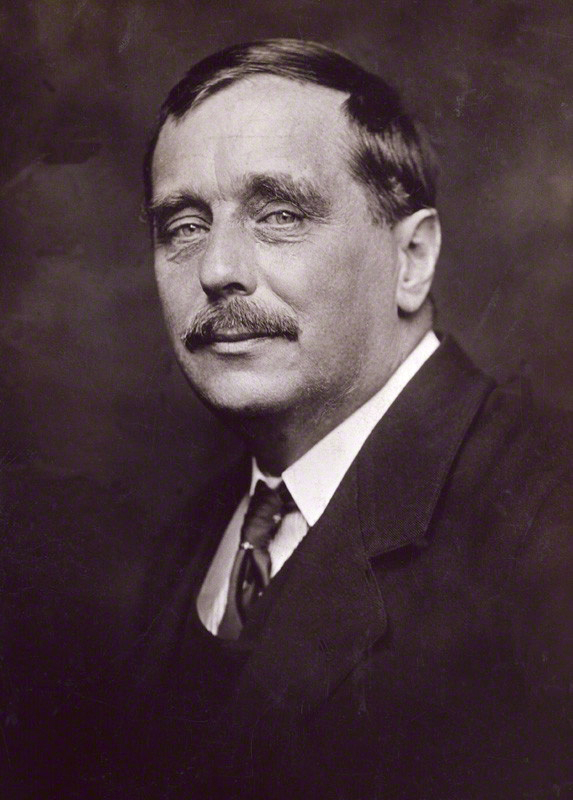
R. Austin Freeman was a British author renowned for his pioneering contributions to the detective fiction genre, particularly through his creation of the character Dr. John Thorndyke, a forensic detective. Born in 1862, Freeman's background in medicine and his keen interest in scientific methods significantly influenced his writing, allowing him to incorporate elements of forensic science into his narratives. His works, such as 'The Red Thumb Mark' and 'The Mystery of 31 New Inn,' showcased his innovative approach to crime-solving, emphasizing the importance of scientific evidence in unraveling mysteries. This marked a departure from traditional detective stories, which often relied on intuition and deduction alone. Freeman's literary significance lies in his ability to blend intricate plots with detailed forensic analysis, setting a precedent for future detective fiction. His stories often featured complex characters and moral dilemmas, reflecting the societal issues of his time. In addition to the Thorndyke series, which includes titles like 'The Eye of Osiris' and 'The Adventures of Dr. Thorndyke,' Freeman explored various themes in works such as 'The Vanishing Man' and 'A Silent Witness.' His influence extended beyond his lifetime, inspiring later writers in the genre and contributing to the evolution of crime fiction as a whole. R. Austin Freeman passed away in 1943, leaving behind a legacy that continues to resonate in the world of detective literature.
Books from the author





Link to this page
Add a free, dofollow link to Lex on your blog, forum, syllabus, or reading list.

<a href="https://lex-books.com/author/r-austin-freeman"><img src="https://lex-books.com/badges/read-on-lex.svg" alt="R. Austin Freeman on Lex" width="160" height="40"></a>[](https://lex-books.com/author/r-austin-freeman)[url=https://lex-books.com/author/r-austin-freeman][img]https://lex-books.com/badges/read-on-lex.svg[/img][/url]R. Austin Freeman on Lex: https://lex-books.com/author/r-austin-freeman