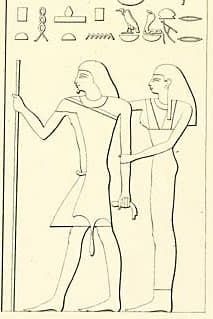
Ptahhotep
Ptahhotep was an ancient Egyptian vizier and philosopher, renowned for his contributions to wisdom literature during the Old Kingdom period. He is best known for the "Maxims of Ptahhotep," a collection of moral and ethical teachings that provide insights into the values and social norms of ancient Egyptian society. These maxims emphasize virtues such as humility, respect, and the importance of wisdom, making them some of the earliest examples of didactic literature in human history. The text serves not only as a guide for personal conduct but also reflects the societal expectations of leadership and governance in ancient Egypt. As one of the earliest known authors, Ptahhotep's work has had a lasting impact on literature and philosophy, influencing subsequent generations of thinkers and writers. His teachings highlight the significance of wisdom in leadership and the moral responsibilities that come with power. The "Maxims of Ptahhotep" is considered a foundational text in the genre of wisdom literature, and its themes continue to resonate in discussions of ethics and morality today, underscoring the enduring legacy of this ancient sage.
Famous Quotes
View all 11 quotes“Be a craftsman in speech that thou mayest be strong, for the strength of one is the tongue, and speech is mightier than all fighting.””
“Take advice from the ignorant as well as from the wise, since there is no single person who embodies perfection nor any craftsman who has reached the limits of excellence.””
“Silence is more profitable unto thee than abundance of speech.””
Books from the author


Link to this page
Add a free, dofollow link to Lex on your blog, forum, syllabus, or reading list.

<a href="https://lex-books.com/author/ptahhotep"><img src="https://lex-books.com/badges/read-on-lex.svg" alt="Ptahhotep on Lex" width="160" height="40"></a>[](https://lex-books.com/author/ptahhotep)[url=https://lex-books.com/author/ptahhotep][img]https://lex-books.com/badges/read-on-lex.svg[/img][/url]Ptahhotep on Lex: https://lex-books.com/author/ptahhotep