
Pietro Aretino
Pietro Aretino was a prominent Italian author, playwright, poet, and satirist, renowned for his sharp critiques of power and society during the Renaissance. He emerged as a significant literary figure in the 16th century, using his pen to challenge monarchs and popes alike through politically charged writings and biting satire. Aretino's oeuvre encompassed a variety of genres, including poetry, drama, and religious commentary, but he is particularly remembered for his lampoons and erotic literature, which pushed the boundaries of acceptable discourse in his time. His works not only entertained but also provoked thought and discussion, making him a controversial yet influential voice in the cultural landscape of his era. Aretino's relationships with leading artists, particularly his friendship with the Venetian painter Titian, further solidified his status in the artistic community. He was also known for his correspondence with Michelangelo regarding the latter's famous fresco, The Last Judgment. Aretino's engagement with religious reformers and his self-identification as a Nicodemite Protestant reflect his complex views on faith and authority. His legacy endures as a testament to the power of literature as a tool for social critique and artistic expression, marking him as a key figure in the evolution of Renaissance thought and literature.
Famous Quotes
View all 3 quotes“I am, indeed, a king, because I know how to rule myself.”
“I love you, and because I love you, I would sooner have you hate me for telling you the truth than adore me for telling you lies.”
“let us love winter, for it is the spring of genuis.”
Books from the author
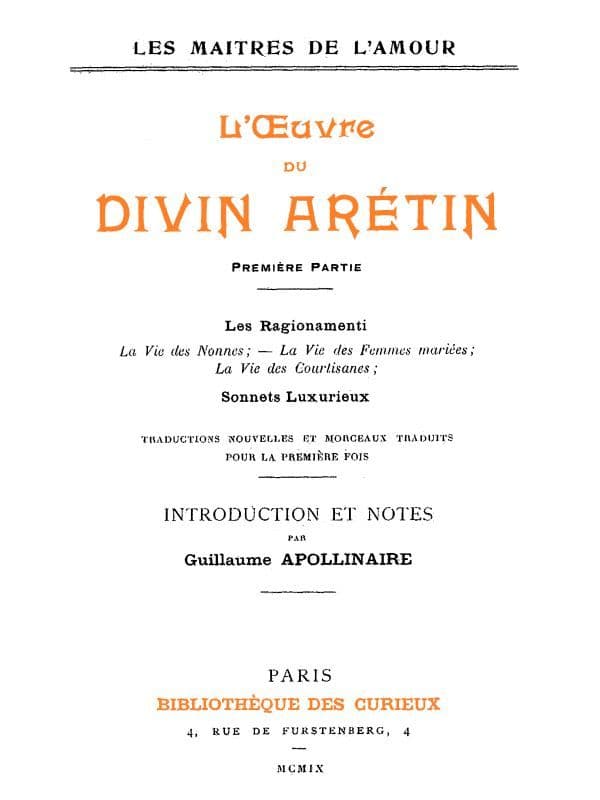
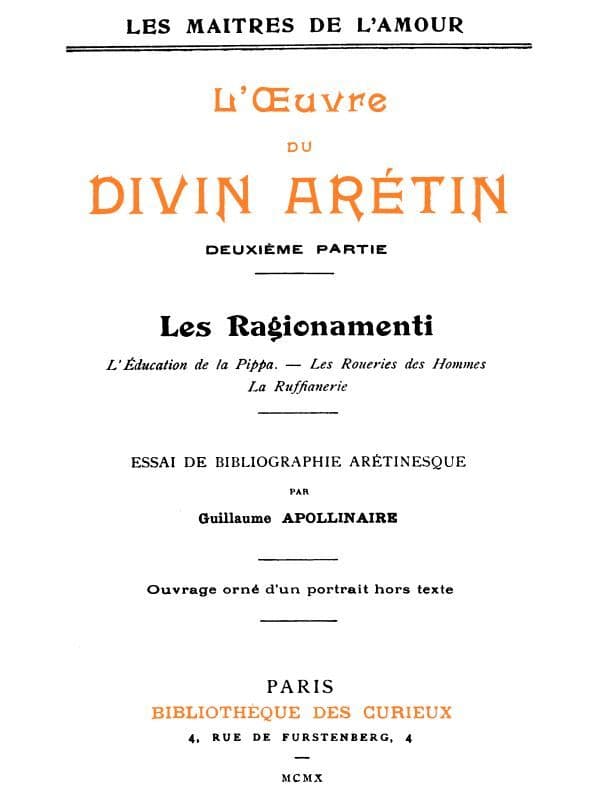






Link to this page
Add a free, dofollow link to Lex on your blog, forum, syllabus, or reading list.

<a href="https://lex-books.com/author/pietro-aretino"><img src="https://lex-books.com/badges/read-on-lex.svg" alt="Pietro Aretino on Lex" width="160" height="40"></a>[](https://lex-books.com/author/pietro-aretino)[url=https://lex-books.com/author/pietro-aretino][img]https://lex-books.com/badges/read-on-lex.svg[/img][/url]Pietro Aretino on Lex: https://lex-books.com/author/pietro-aretino