
Pierre Augustin Caron de Beaumarchais
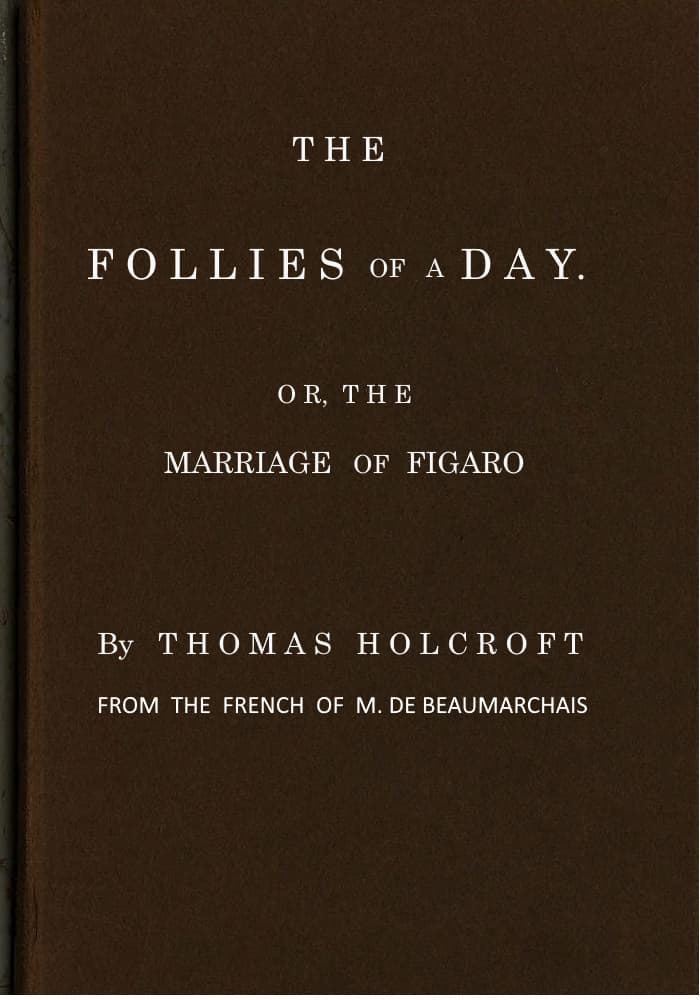
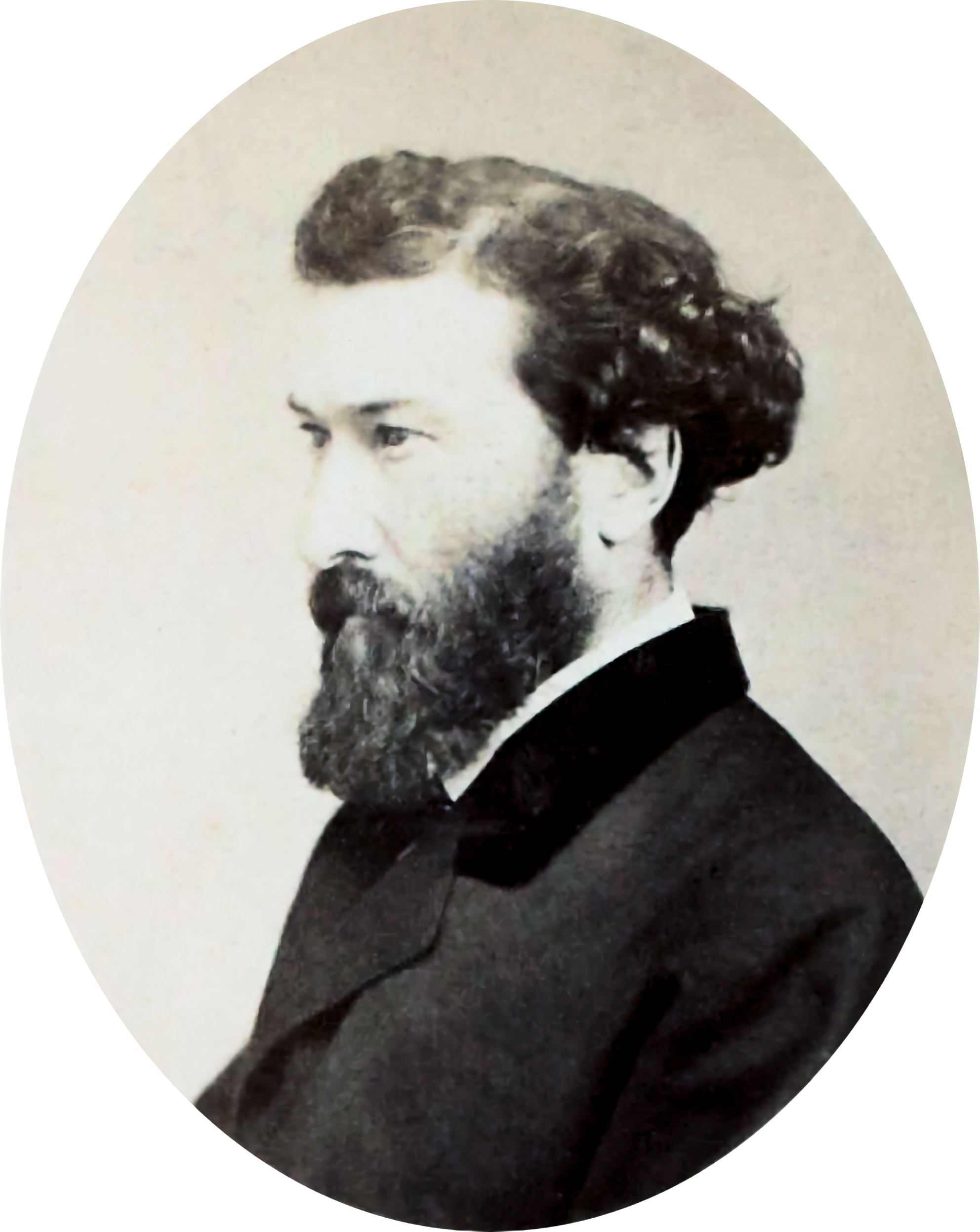
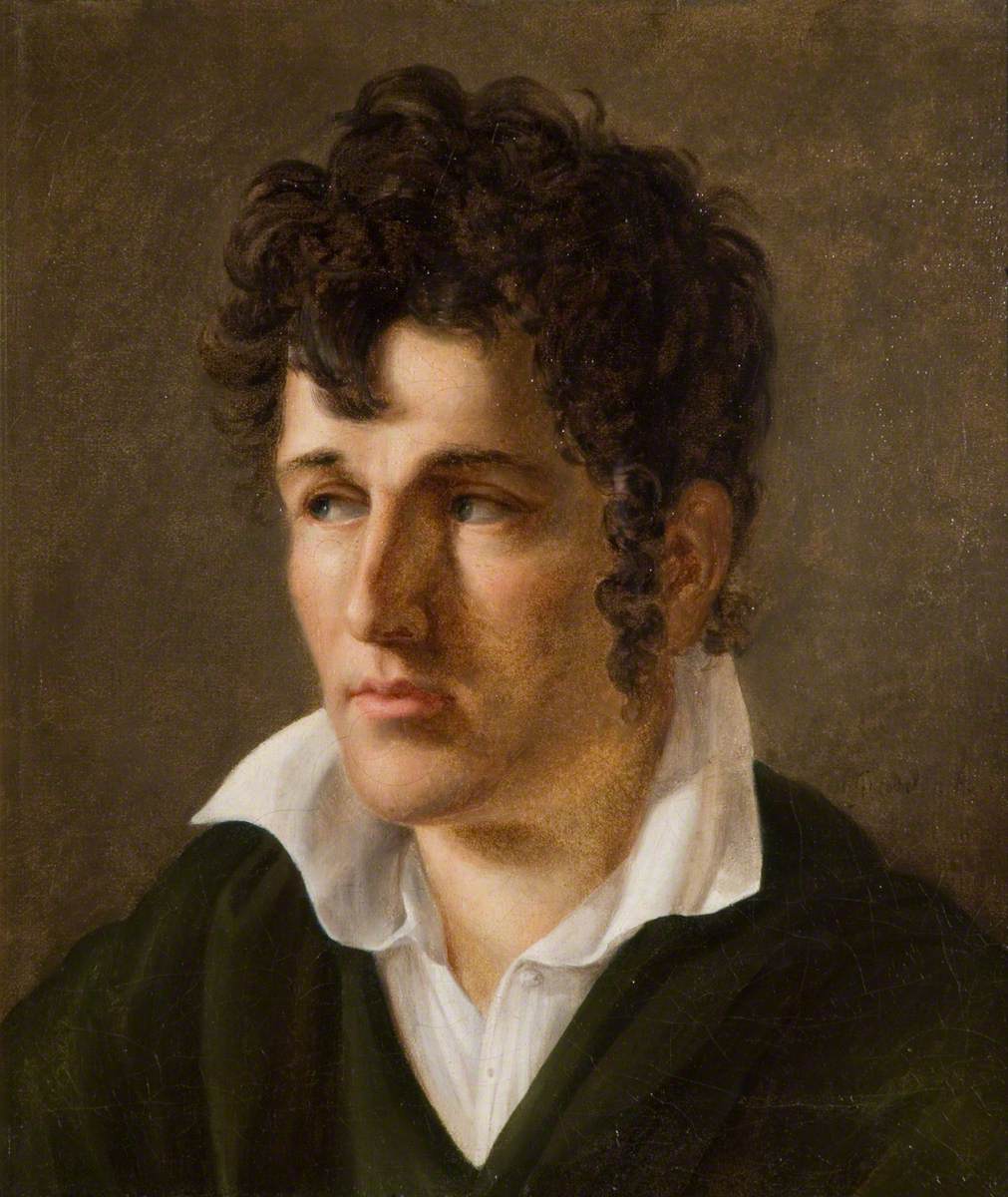
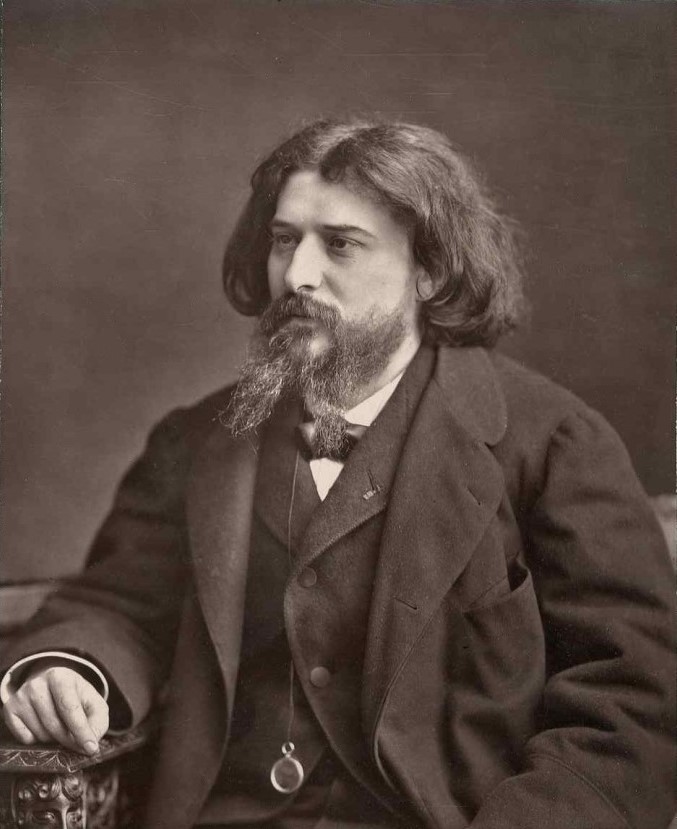
Pierre-Augustin Caron de Beaumarchais was a multifaceted French playwright and diplomat, renowned for his contributions to the theatrical world during the Age of Enlightenment. Born to a watchmaker in Paris, he ascended through the social ranks, becoming a prominent figure in the court of Louis XV. His most celebrated works, the Figaro trilogy—comprising 'The Barber of Seville,' 'The Marriage of Figaro,' and 'The Guilty Mother'—not only showcased his wit and insight into human nature but also challenged the social norms of his time, paving the way for modern comedy and political satire. Beaumarchais's characters, particularly Figaro, became emblematic of the struggle against oppression and the quest for personal freedom. In addition to his literary achievements, Beaumarchais played a significant role in the political landscape of his era. He was an ardent supporter of American independence, actively lobbying the French government to provide support to the American revolutionaries during the War of Independence. His efforts facilitated covert aid from France and Spain, demonstrating his commitment to the revolutionary cause. Beaumarchais's life was marked by a series of dramatic turns, including legal battles that threatened his reputation and financial stability. He also engaged in the early stages of the French Revolution, reflecting his deep involvement in the sociopolitical upheavals of his time. Beaumarchais's legacy endures through his innovative contributions to theater and his role as a cultural and political figure who bridged the worlds of art and activism.
Famous Quotes
View all 19 quotes“Without the freedom to criticize, there is no true praise.””
“It's your world, but I make my way in it. At fifteen, no, I couldn't stand up to you. The age of illusions, when we know nothing, we hope for everything; we're wandering in a mist ... And the half of the world that's never had any use for us, suddenly is besieging us. You us, you us, you're suffering for us. You want everything--except to know what we think. You look deep in our eyes--and put your hand up our dress. You call us, That confuses us. The most beautiful woman, the highest ranked, lives half dazzled by constant attention, half stifled by obvious contempt. We think all we're good for is pleasing you--till one day, long acquaintance with you dispels the last mist. In a clear light, we suddenly see you as you are--and generally we start preferring ourselves. At thirty, I could finally say no--or really say yes. That's when you begin backing away from us. Now I'm full-grown. I pursue my happiness the same as any man.””
Books from the author


Link to this page
Add a free, dofollow link to Lex on your blog, forum, syllabus, or reading list.

<a href="https://lex-books.com/author/pierre-augustin-caron-de-beaumarchais"><img src="https://lex-books.com/badges/read-on-lex.svg" alt="Pierre Augustin Caron de Beaumarchais on Lex" width="160" height="40"></a>[](https://lex-books.com/author/pierre-augustin-caron-de-beaumarchais)[url=https://lex-books.com/author/pierre-augustin-caron-de-beaumarchais][img]https://lex-books.com/badges/read-on-lex.svg[/img][/url]Pierre Augustin Caron de Beaumarchais on Lex: https://lex-books.com/author/pierre-augustin-caron-de-beaumarchais