
Charles de Secondat, baron de Montesquieu
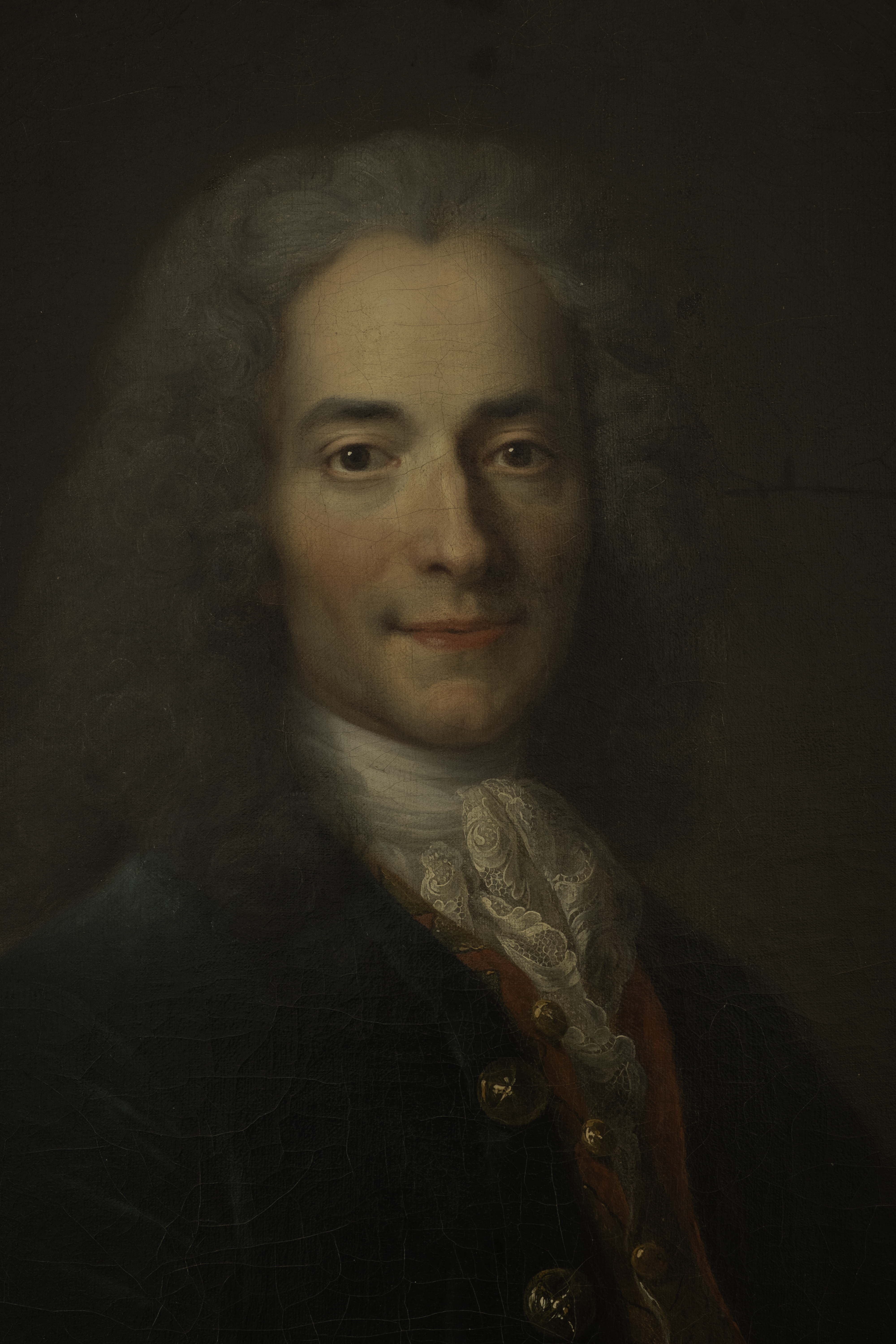
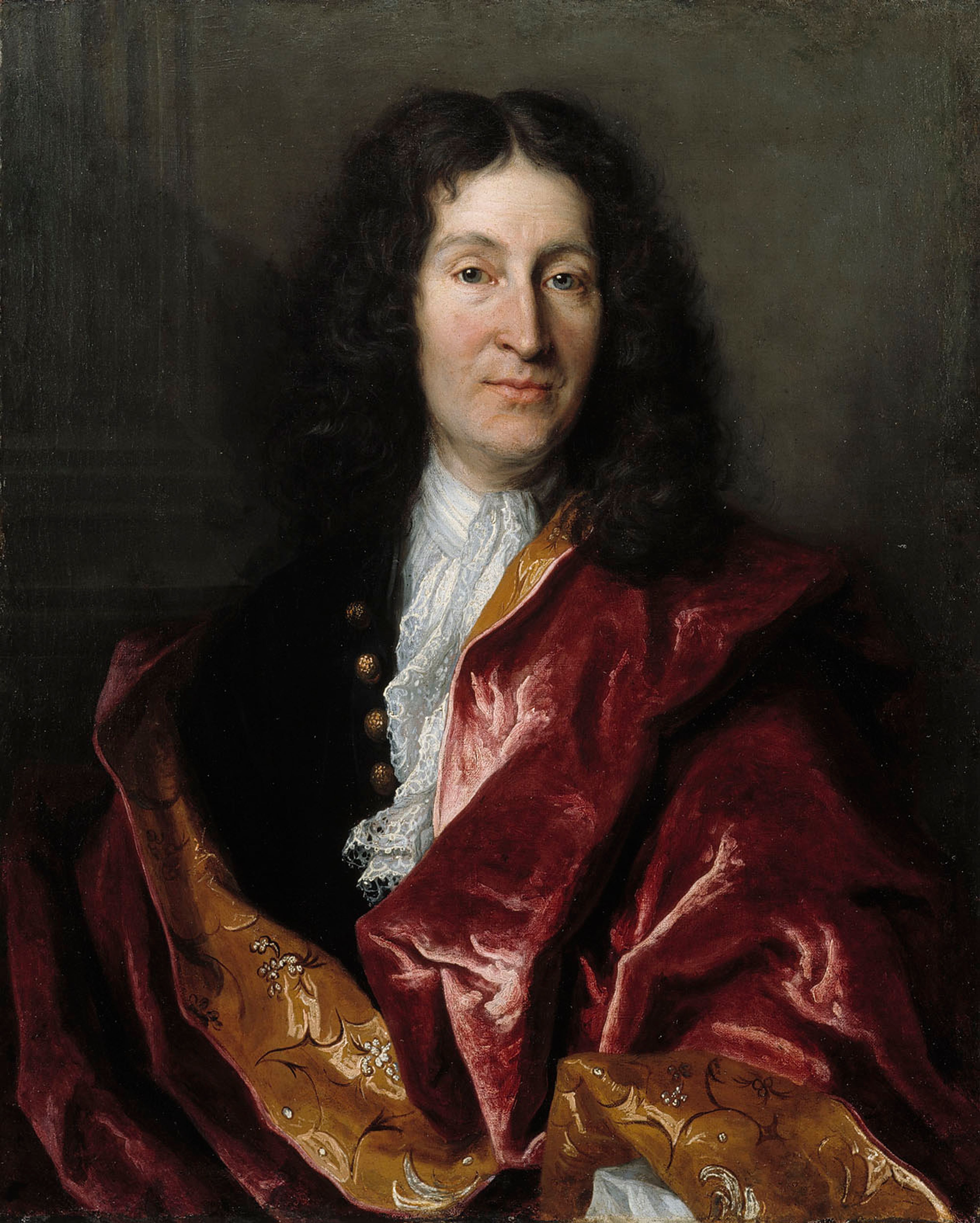
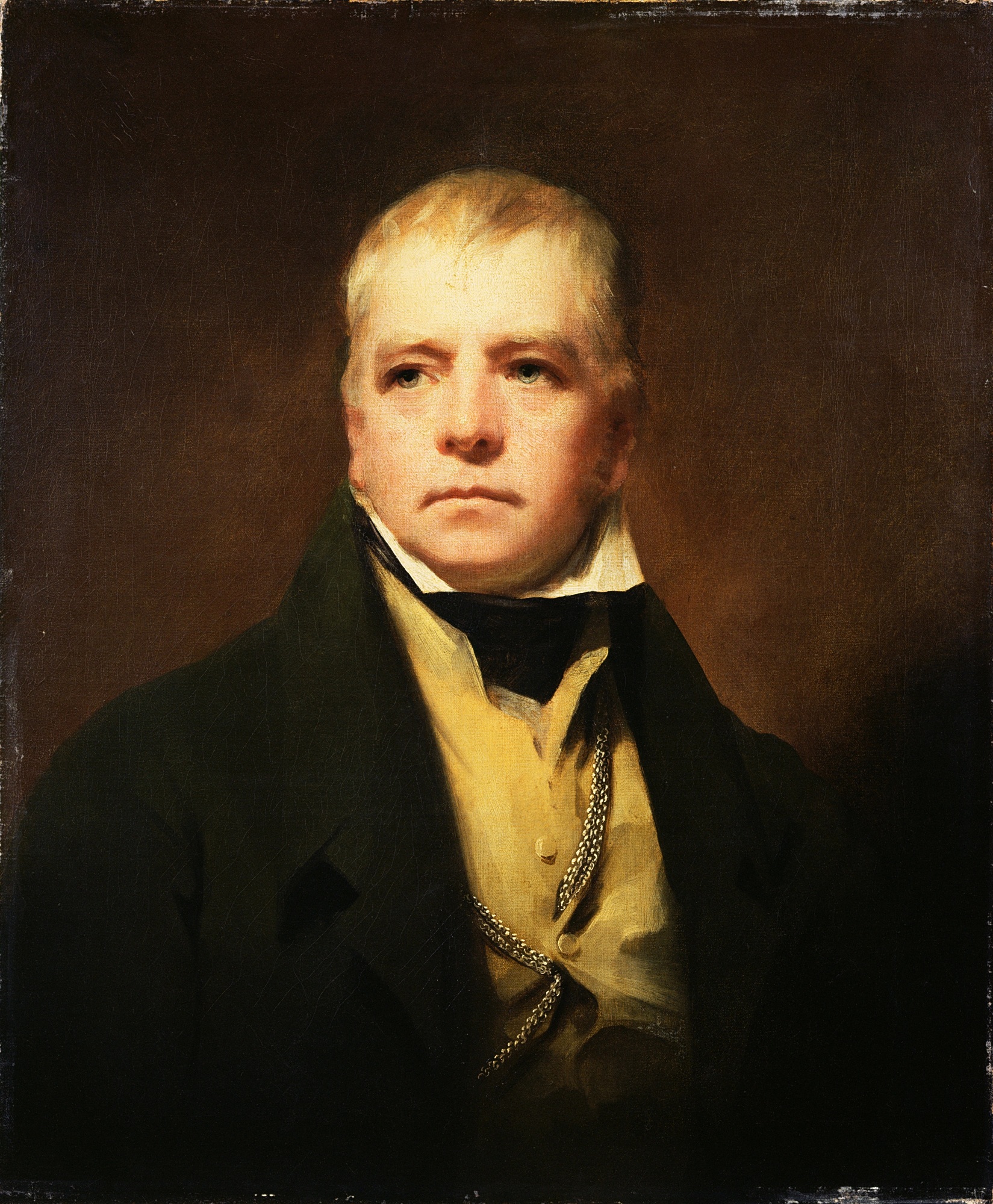
Charles de Secondat, baron de Montesquieu, was a French political philosopher and writer whose ideas significantly influenced the development of modern political theory. Born into a noble family in the region of Bordeaux, Montesquieu was educated in law and became a prominent figure in the Enlightenment. His most notable work, 'The Spirit of the Laws' (1748), explored the relationship between laws, social structures, and government, advocating for the separation of powers as a means to prevent tyranny. This concept would later become a foundational principle in the formation of modern democratic governments. Montesquieu's writings extended beyond political theory; he also authored 'Persian Letters' (1721), a satirical critique of French society through the eyes of Persian travelers. His keen observations on cultural relativism and the nature of power challenged the prevailing norms of his time. Montesquieu's legacy endures in his profound impact on political thought, particularly in shaping the ideas of the Founding Fathers of the United States and influencing the development of constitutional law worldwide. His work remains a cornerstone in the study of political philosophy and the evolution of democratic governance.
Famous Quotes
View all 14 quotes“There is no greater tyranny than that which is perpetrated under the shield of the law and in the name of justice. (Cambridge University Press (September 29, 1989)””
“I have always observed that to succeed in the world one should appear like a fool but be wise.””
“If I knew of something that could serve my nation but would ruin another, I would not propose it to my prince, for I am first a man and only then a Frenchman...because I am necessarily a man, and only accidentally am I French.””
Books from the author




Link to this page
Add a free, dofollow link to Lex on your blog, forum, syllabus, or reading list.

<a href="https://lex-books.com/author/charles-de-secondat-baron-de-montesquieu"><img src="https://lex-books.com/badges/read-on-lex.svg" alt="Charles de Secondat, baron de Montesquieu on Lex" width="160" height="40"></a>[](https://lex-books.com/author/charles-de-secondat-baron-de-montesquieu)[url=https://lex-books.com/author/charles-de-secondat-baron-de-montesquieu][img]https://lex-books.com/badges/read-on-lex.svg[/img][/url]Charles de Secondat, baron de Montesquieu on Lex: https://lex-books.com/author/charles-de-secondat-baron-de-montesquieu