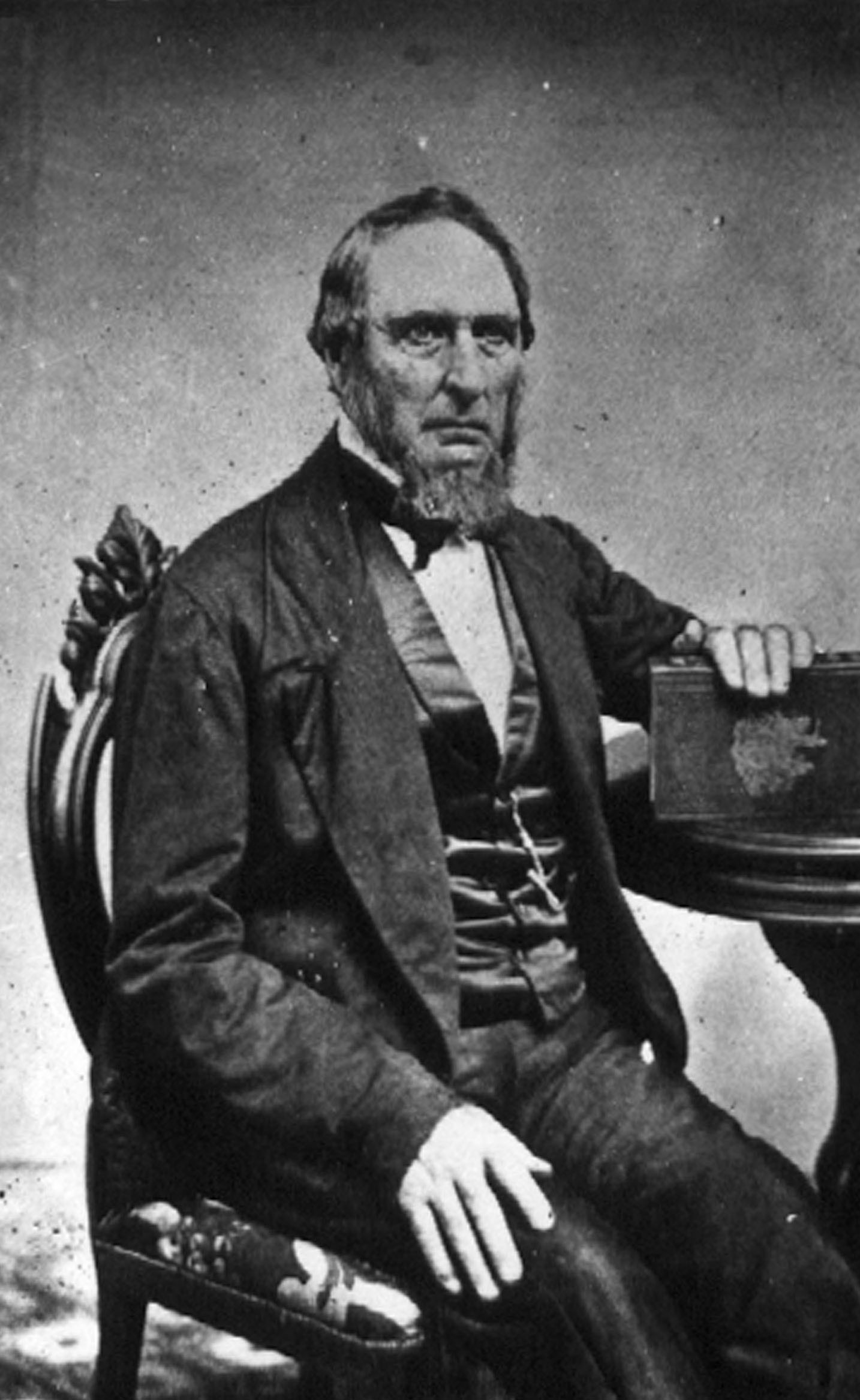
Owen Chase
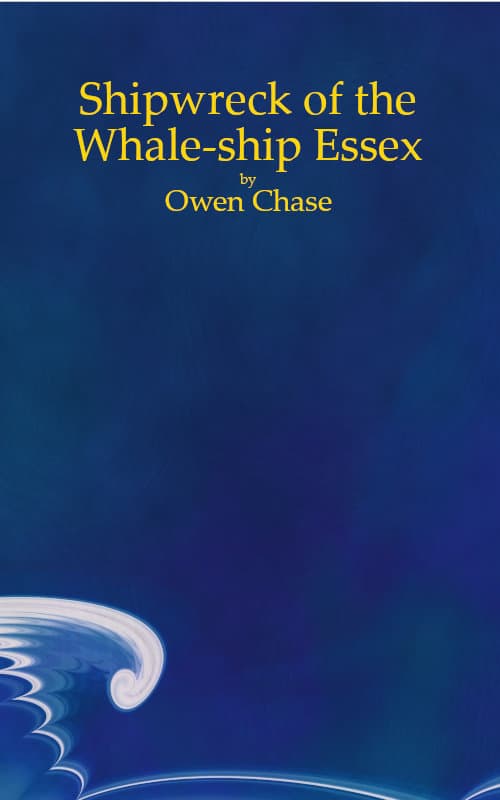
Owen Chase was a notable figure in American maritime history, best known for his harrowing account of the shipwreck of the whaling ship Essex. As the first mate, he experienced the catastrophic event firsthand when the vessel was rammed by a sperm whale in the Pacific Ocean on November 20, 1820. Following the disaster, which resulted in the loss of most of the crew, Chase and a handful of survivors embarked on a desperate journey in small boats to reach land. His gripping narrative of survival and the moral dilemmas faced during their ordeal was published in 1821 as 'Narrative of the Most Extraordinary and Distressing Shipwreck of the Whale-Ship Essex.' This work not only documented the tragedy but also provided a profound exploration of human endurance and desperation in the face of nature's fury. Chase's account had a lasting impact on American literature, notably influencing Herman Melville's 'Moby-Dick,' which drew upon the themes of whaling and the struggle against the sea. Chase's vivid storytelling and firsthand experience offered readers a unique glimpse into the perils of whaling life and the psychological toll of survival. His legacy endures as a key figure in maritime literature, and his narrative remains a crucial reference point for understanding the complexities of human survival against overwhelming odds.
Famous Quotes
View all 3 quotes“I have no language to paint the horrors of our situation. To shed tears was indeed altogether unavailing and withal unmanly yet I was not able to deny myself the relief they served to afford me.”
“I accordingly turned her over upon the quarter, and was in the act of nailing on the canvass, when I observed a very large spermaceti whale, as well as I could judge, about eighty-five feet in length; he broke water about twenty rods off our weather-bow, and was lying quietly, with his head in a direction for the ship. He spouted two or three times, and then disappeared. In less than two or three seconds he came up again, about the length of the ship off, and made directly for us, at the rate of about three knots. The ship was then going with about the same velocity. His appearance and attitude gave us at first no alarm; but while I stood watching his movements, and observing him but a ship’s length off, com- ing down for us with great celerity, I involuntarily ordered the boy at the helm to put it hard up; intending to sheer off and avoid him. The words were scarcely out of my mouth, before he came down upon us with full speed, and struck the ship with his head, just forward of the fore-chains; he gave us such an appalling and tremendous jar, as nearly threw us all on our faces. The ship brought up as suddenly and violently as if she had struck a rock and trembled for a few seconds like a leaf. We looked at each other with perfect amazement, deprived almost of the power of speech. Many minutes elapsed before we were able to realize the dreadful accident; during which time he passed under the ship, grazing her keel as he went along, came up underside of her to leeward, and lay on the top of the water (apparently stunned with the violence of the blow), for the space of a minute; he then suddenly started off, in a direction to leeward.”
“It seemed to us as if fate was wholly relentless, in pursuing us with such a cruel complication of disasters.”
Books from the author


Link to this page
Add a free, dofollow link to Lex on your blog, forum, syllabus, or reading list.

<a href="https://lex-books.com/author/owen-chase"><img src="https://lex-books.com/badges/read-on-lex.svg" alt="Owen Chase on Lex" width="160" height="40"></a>[](https://lex-books.com/author/owen-chase)[url=https://lex-books.com/author/owen-chase][img]https://lex-books.com/badges/read-on-lex.svg[/img][/url]Owen Chase on Lex: https://lex-books.com/author/owen-chase