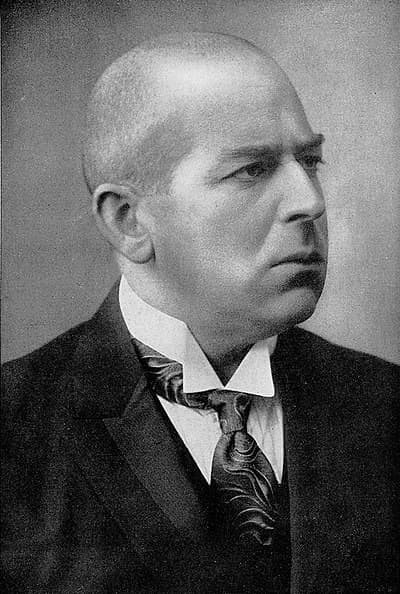
Oswald Spengler
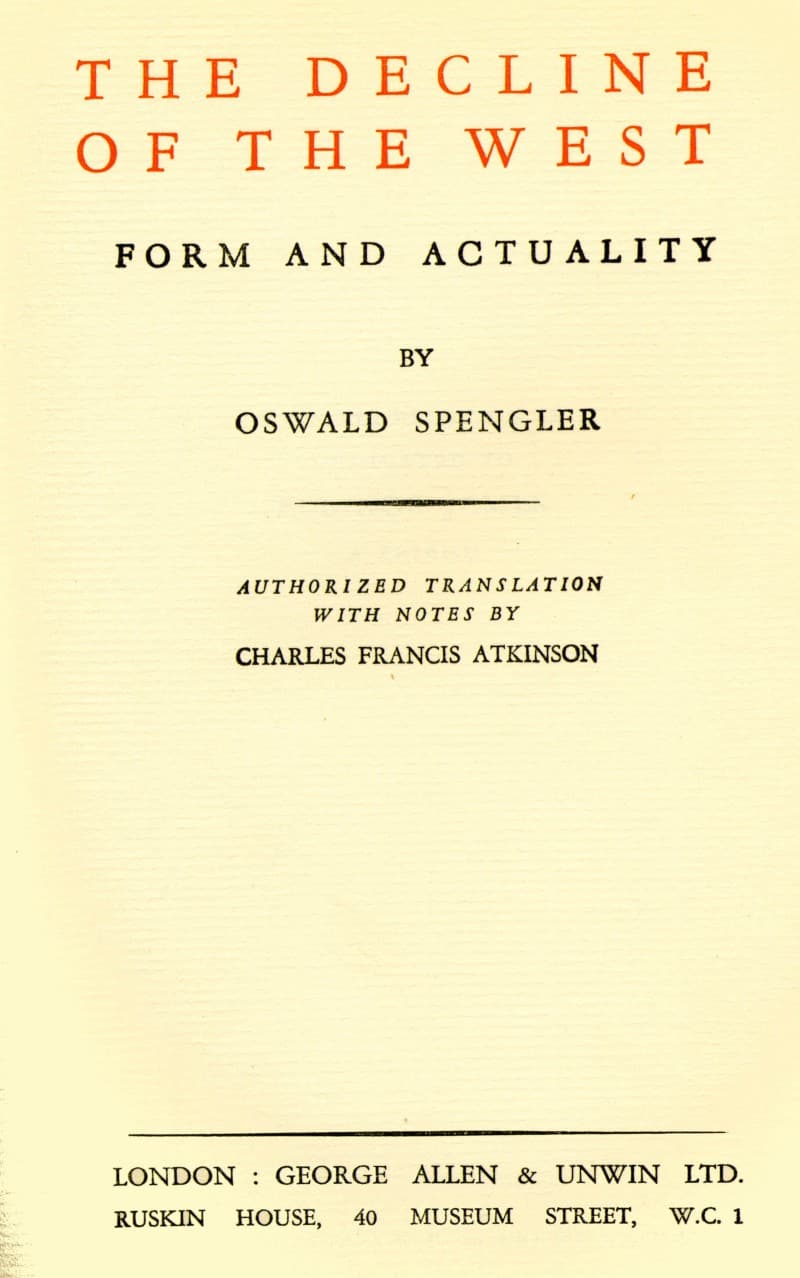
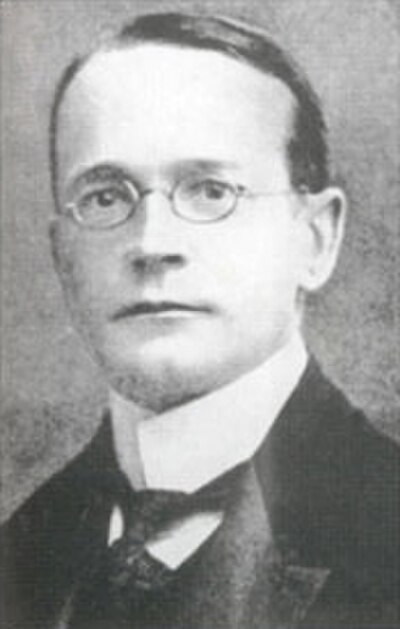
Oswald Spengler was a German philosopher renowned for his profound insights into history, culture, and the cyclical nature of civilizations. His most significant work, The Decline of the West, published in two volumes in 1918 and 1922, proposed a controversial theory that likened cultures to living organisms, each destined for growth, maturity, and eventual decline. Spengler's ideas suggested that Western civilization was on a predetermined path toward collapse, predicting a future characterized by authoritarianism and a loss of democratic values. His perspective on history was not only philosophical but also deeply intertwined with his views on politics and society, making him a prominent figure in the Weimar-era Conservative Revolution. Despite being embraced by some nationalist movements, Spengler was critical of the Nazis, whom he believed distorted his ideas with their extreme racialism and antisemitism. He expressed disappointment in figures like Benito Mussolini, whom he initially viewed as a potential leader for the West's future but later criticized for his imperial ambitions. Spengler's work continues to provoke debate and analysis, as his theories about the rise and fall of civilizations resonate in discussions about cultural and political dynamics in contemporary society.
Famous Quotes
View all 3 quotes“We are born into this time and must bravely follow the path to the destined end. There is no other way. Our duty is to hold on to the lost position, without hope, without rescue, like that Roman soldier whose bones were found in front of a door in Pompeii, who, during the eruption of Vesuvius, died at his post because they forgot to relieve him. That is greatness. That is what it means to be a thoroughbred. The honorable end is the one thing that can not be taken from a man.”
“The press today is an army with carefully organized weapons, the journalists its officers, the readers its soldiers. The reader neither knows nor is supposed to know the purposes for which he is used and the role he is to play.”
“What is truth? For the multitude, that which it continually reads and hears.”
Books from the author





Link to this page
Add a free, dofollow link to Lex on your blog, forum, syllabus, or reading list.

<a href="https://lex-books.com/author/oswald-spengler"><img src="https://lex-books.com/badges/read-on-lex.svg" alt="Oswald Spengler on Lex" width="160" height="40"></a>[](https://lex-books.com/author/oswald-spengler)[url=https://lex-books.com/author/oswald-spengler][img]https://lex-books.com/badges/read-on-lex.svg[/img][/url]Oswald Spengler on Lex: https://lex-books.com/author/oswald-spengler