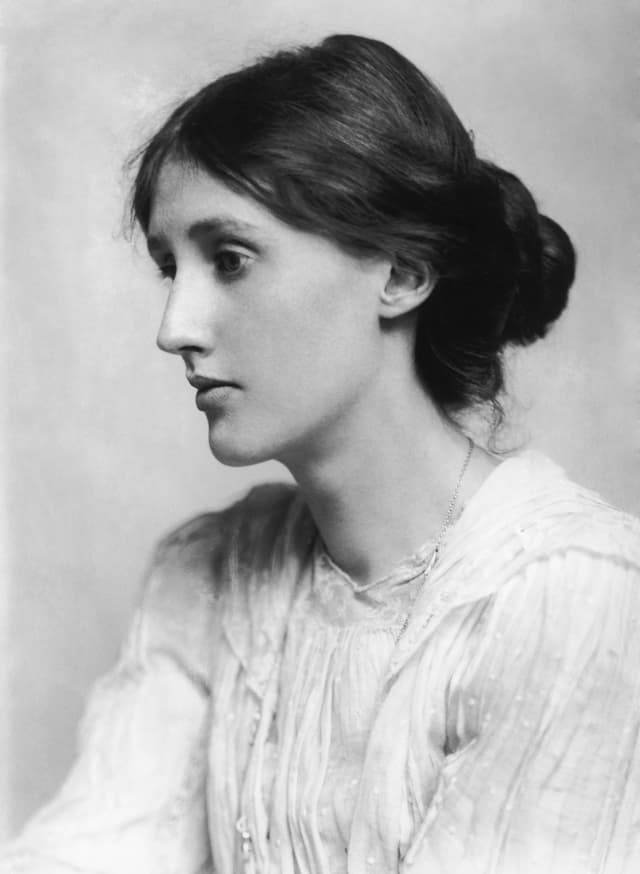
Virginia Woolf
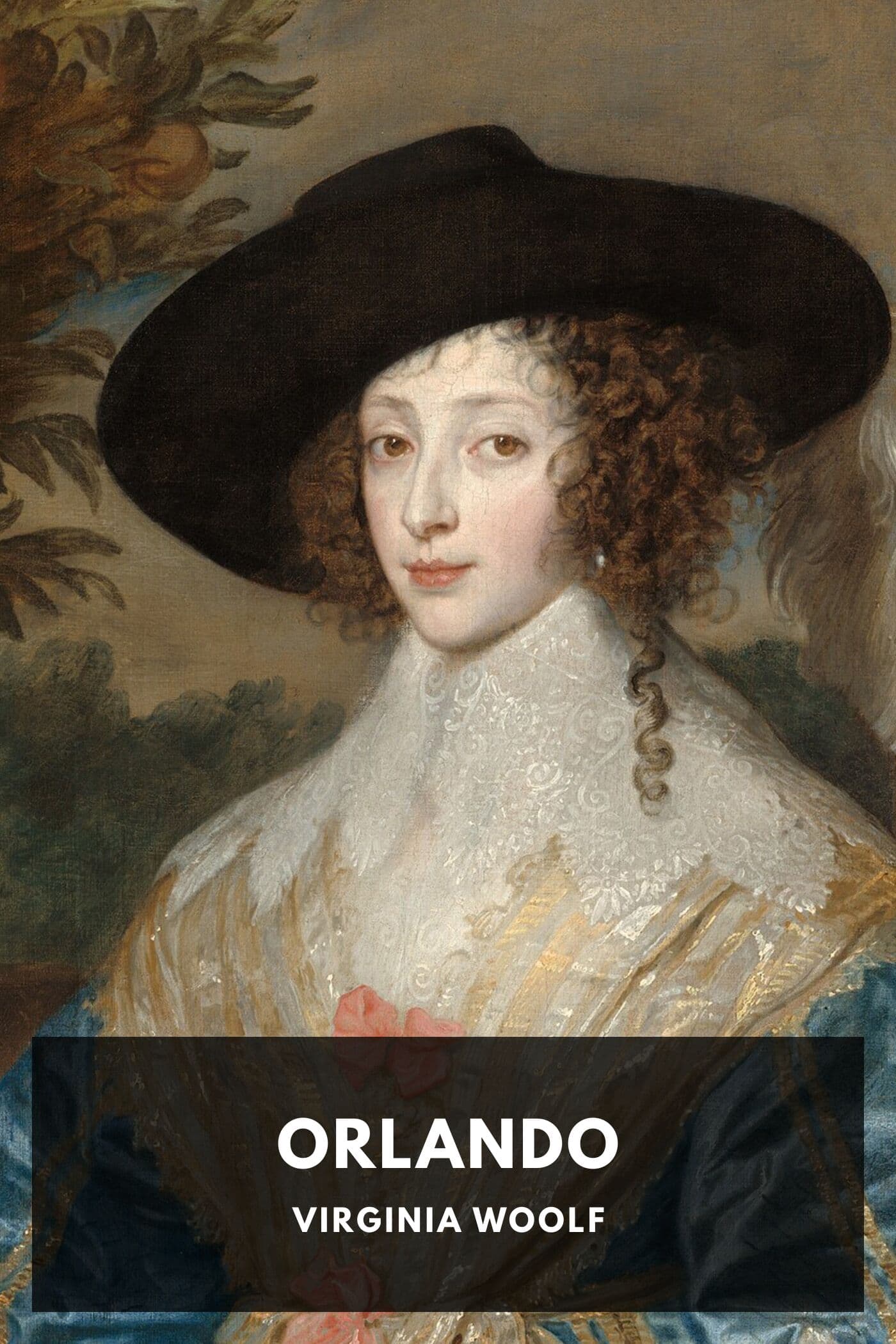
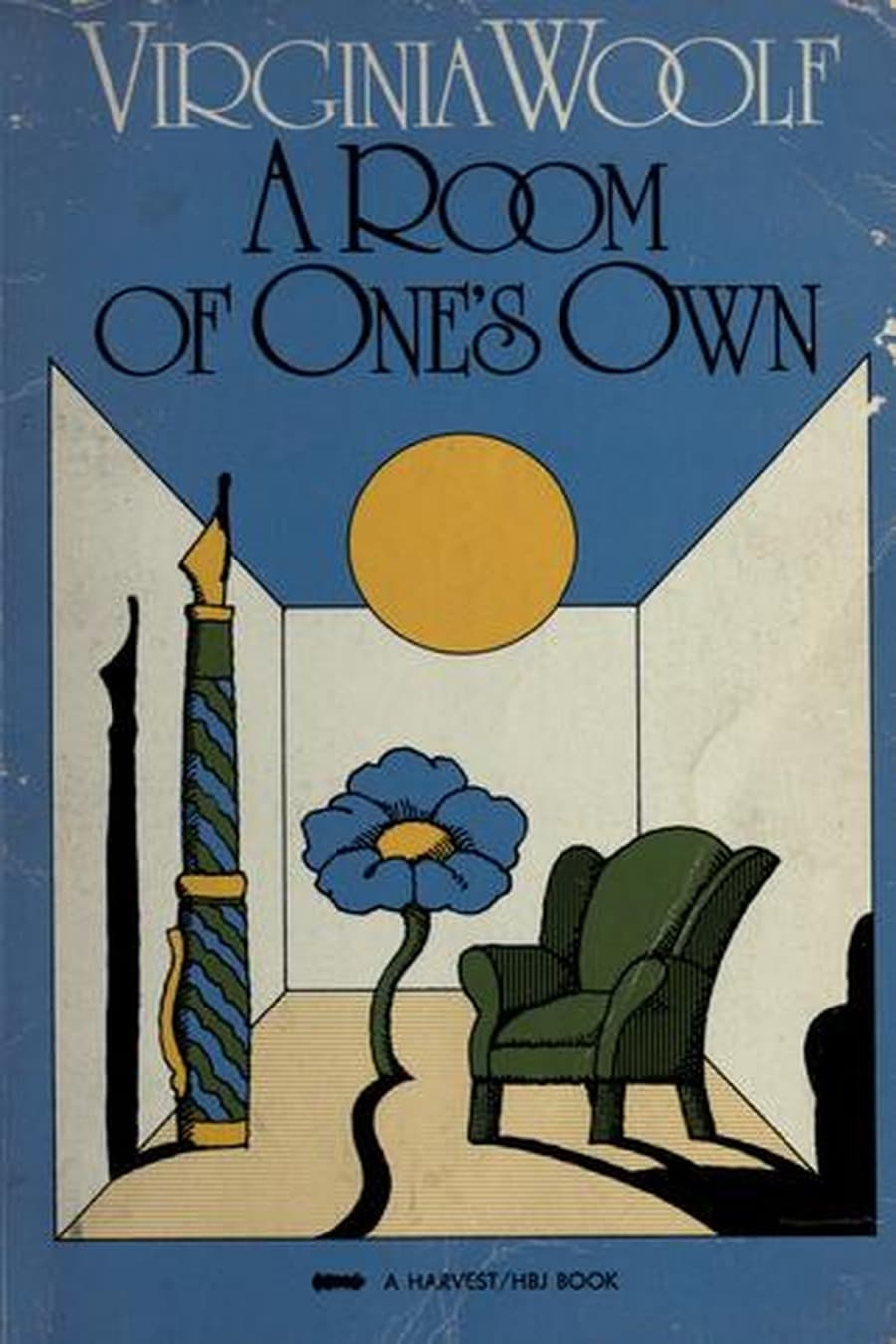
Virginia Woolf was an influential English writer and a key figure in 20th-century modernism, renowned for her innovative narrative techniques. Born into an affluent family in South Kensington, London, she was the seventh of eight children and received a rich education at home, which included exposure to English classics and Victorian literature. Woolf's intellectual upbringing and her experiences at King’s College London, where she encountered early advocates for women's rights, shaped her literary voice. After the death of her father in 1904, she became a central figure in the Bloomsbury Group, a collective of writers and artists who challenged social norms and championed progressive ideas. Woolf's major works, including "Mrs. Dalloway," "To the Lighthouse," and "Orlando," are celebrated for their pioneering use of stream of consciousness as a narrative device, allowing readers to delve deeply into the characters' inner thoughts and emotions. Her essays, such as "A Room of One's Own," advocate for women's independence and intellectual freedom, marking her as a significant feminist voice. Woolf's literary significance lies not only in her stylistic innovations but also in her exploration of themes such as identity, time, and the complexities of human experience. Her tragic death in 1941 did not diminish her legacy; instead, she remains a towering figure in literature, influencing countless writers and thinkers in the decades that followed.
Famous Quotes
View all 20 quotes“I would venture to guess that Anon, who wrote so many poems without signing them, was often a woman.””
“Lock up your libraries if you like; but there is no gate, no lock, no bolt that you can set upon the freedom of my mind.””
“Books are the mirrors of the soul.””
Books from the author
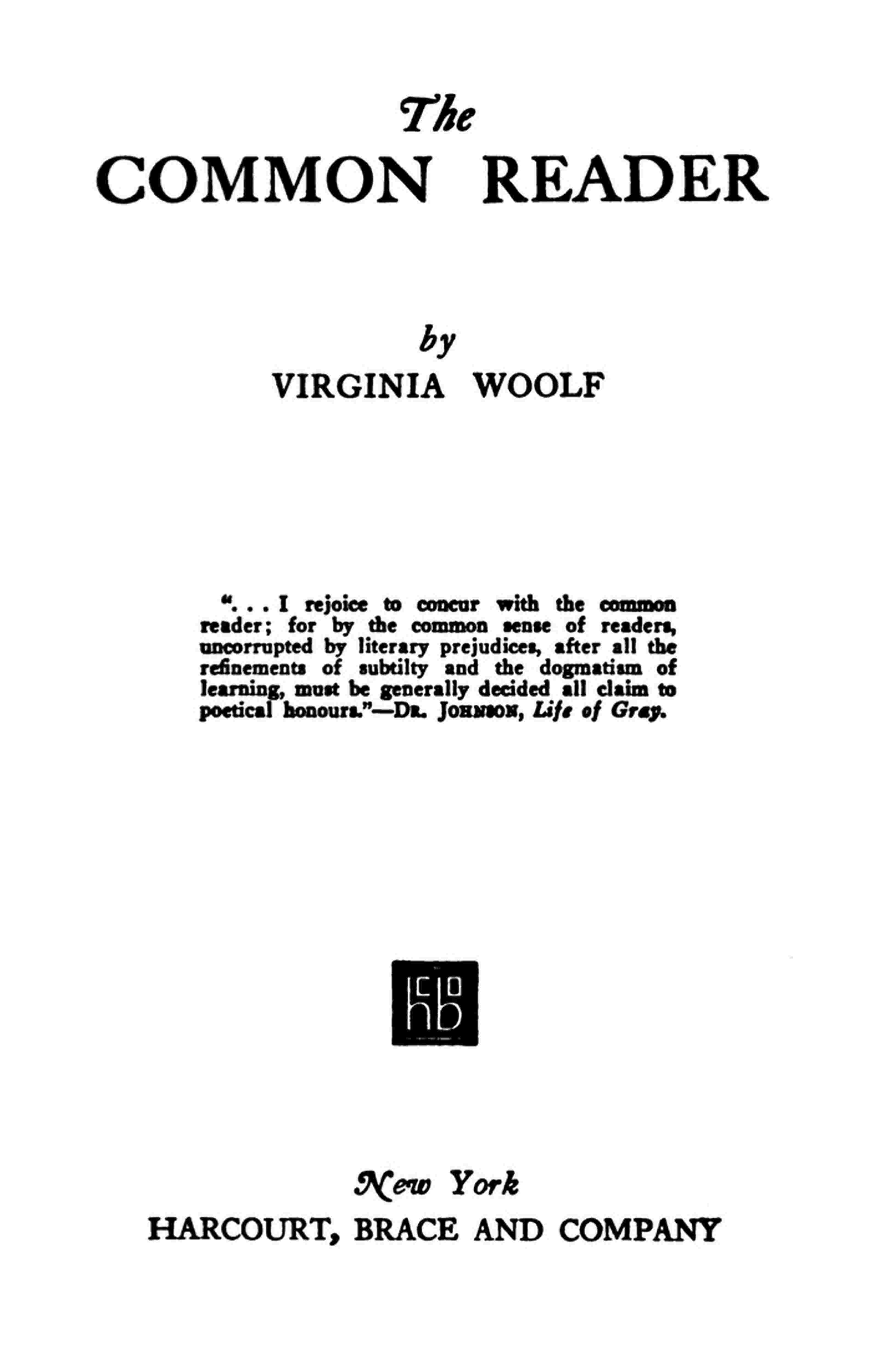

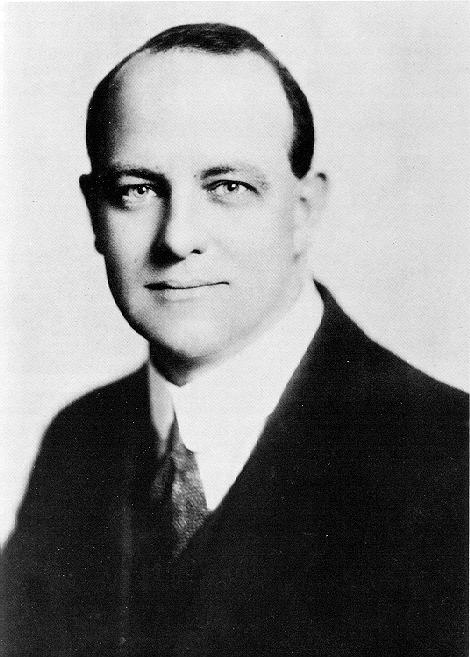
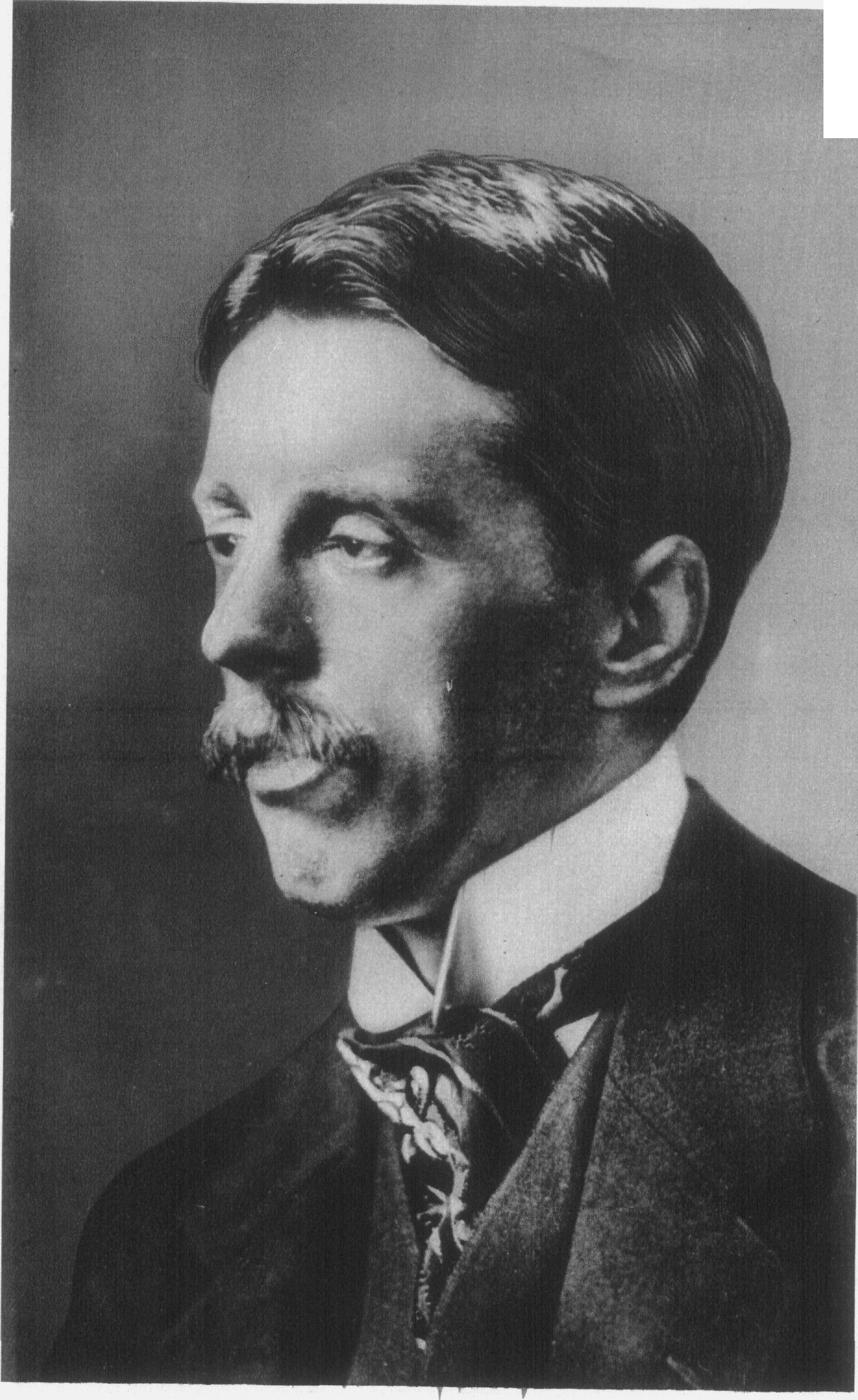
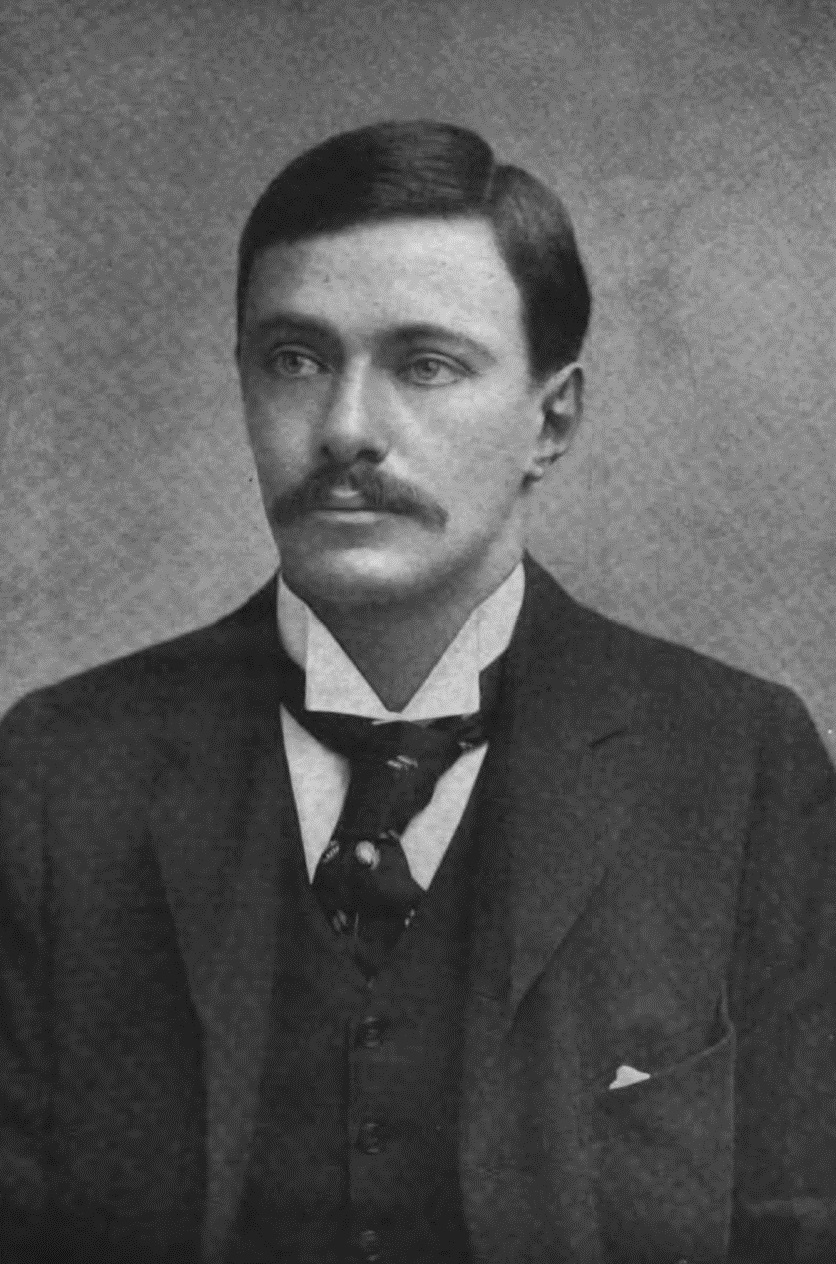
Link to this page
Add a free, dofollow link to Lex on your blog, forum, syllabus, or reading list.

<a href="https://lex-books.com/author/virginia-woolf"><img src="https://lex-books.com/badges/read-on-lex.svg" alt="Virginia Woolf on Lex" width="160" height="40"></a>[](https://lex-books.com/author/virginia-woolf)[url=https://lex-books.com/author/virginia-woolf][img]https://lex-books.com/badges/read-on-lex.svg[/img][/url]Virginia Woolf on Lex: https://lex-books.com/author/virginia-woolf