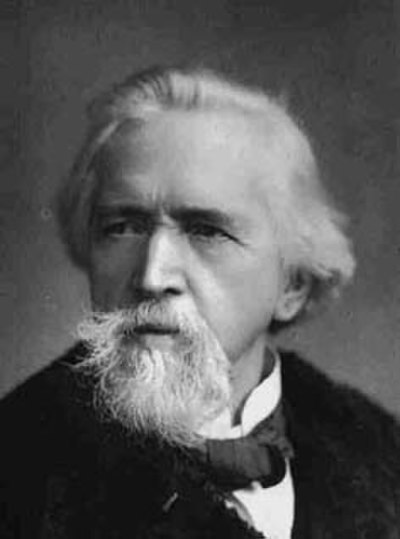
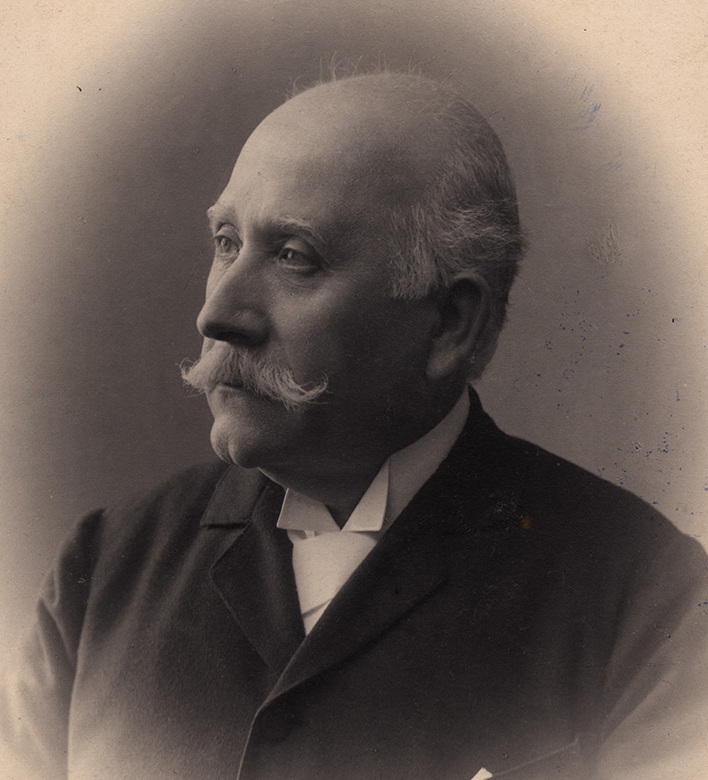
Omar, bey Raschid
Omar bey Raschid was a notable figure in the 19th century, recognized for his contributions to philosophical literature, particularly through his engagement with Eastern thought. His most significant work, "Das Hohe Ziel Der Erkenntnis: Aranada Upanishad," reflects his deep interest in the spiritual and philosophical traditions of India, specifically the Upanishads, which are central to Hindu philosophy. Raschid's writings often explored themes of knowledge, enlightenment, and the nature of reality, positioning him as a bridge between Eastern and Western philosophical traditions during a time of increasing global interconnectedness. Although not as widely known as some of his contemporaries, Raschid's work is significant for its attempt to synthesize Eastern philosophical ideas with Western intellectual currents. His exploration of the Upanishads contributed to a growing interest in Eastern spirituality in Europe, influencing a range of thinkers and writers who sought to understand and integrate these diverse philosophical perspectives. Raschid's legacy lies in his role as a cultural intermediary, fostering dialogue between different traditions and encouraging a broader understanding of knowledge and enlightenment.
Books from the author