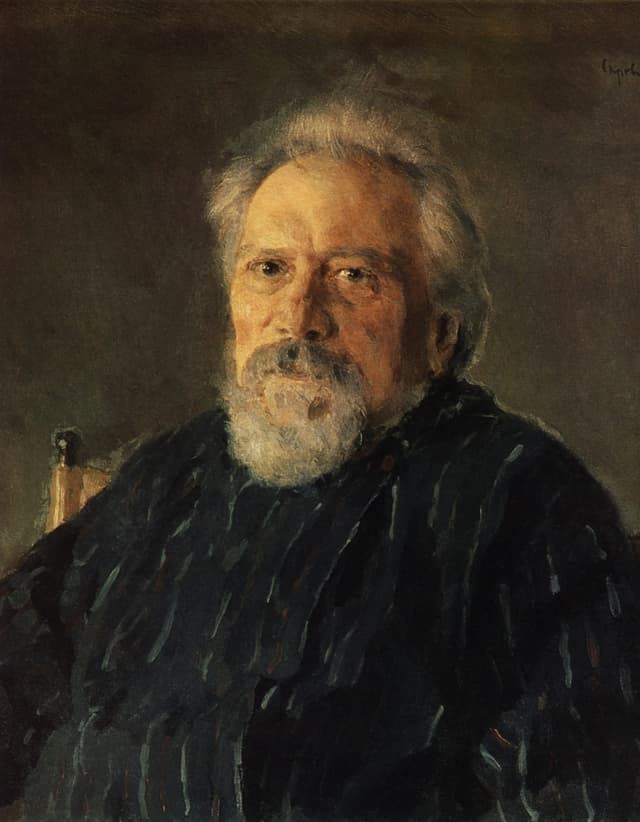
N. S. Leskov
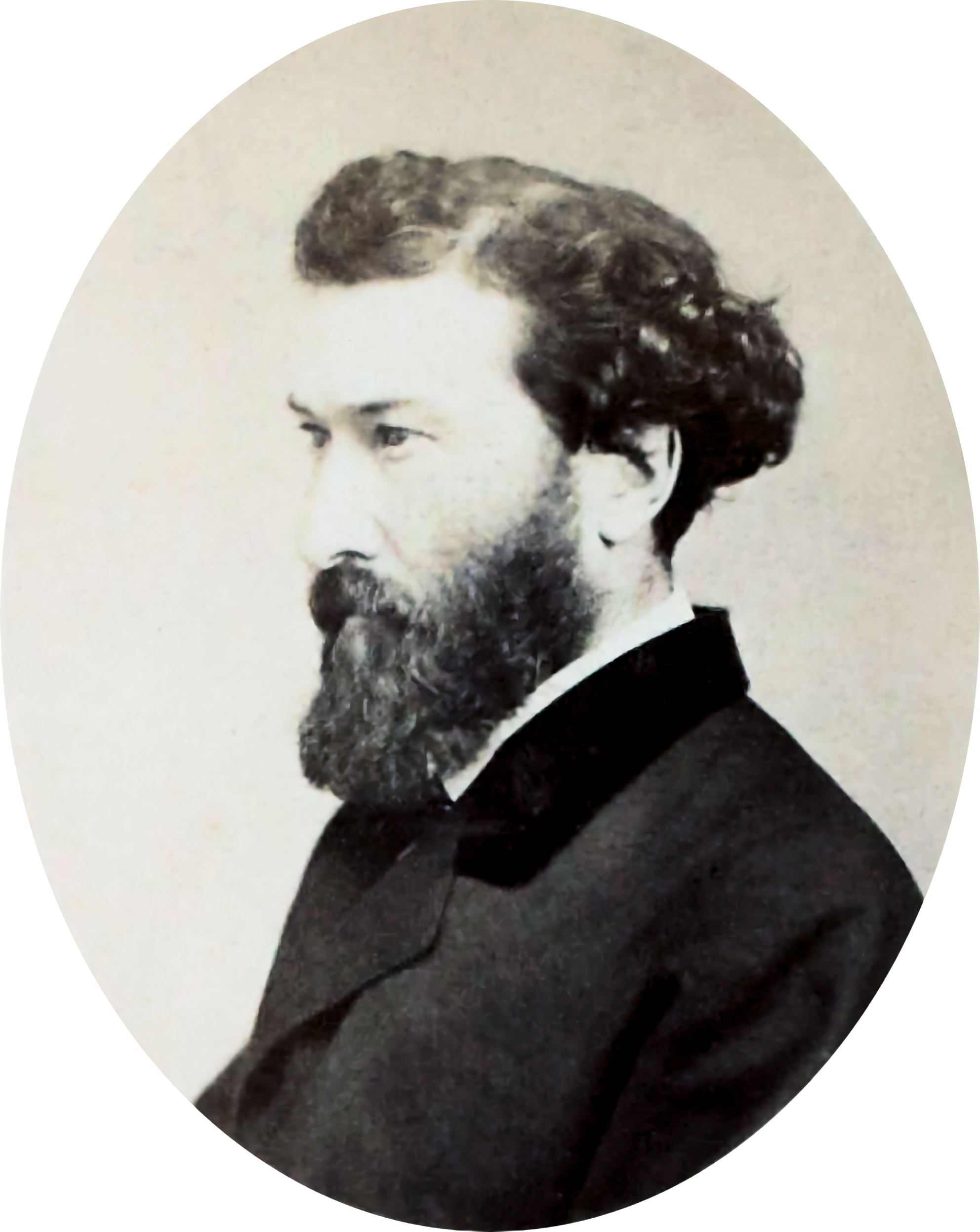
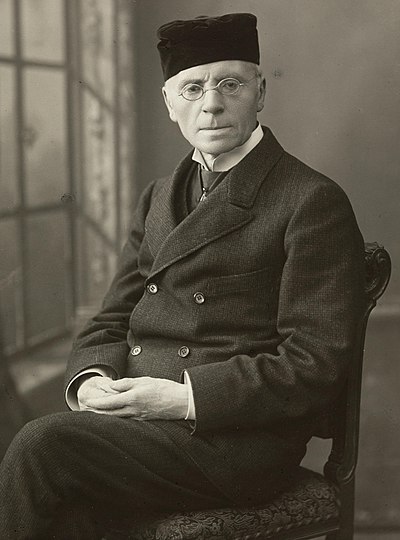
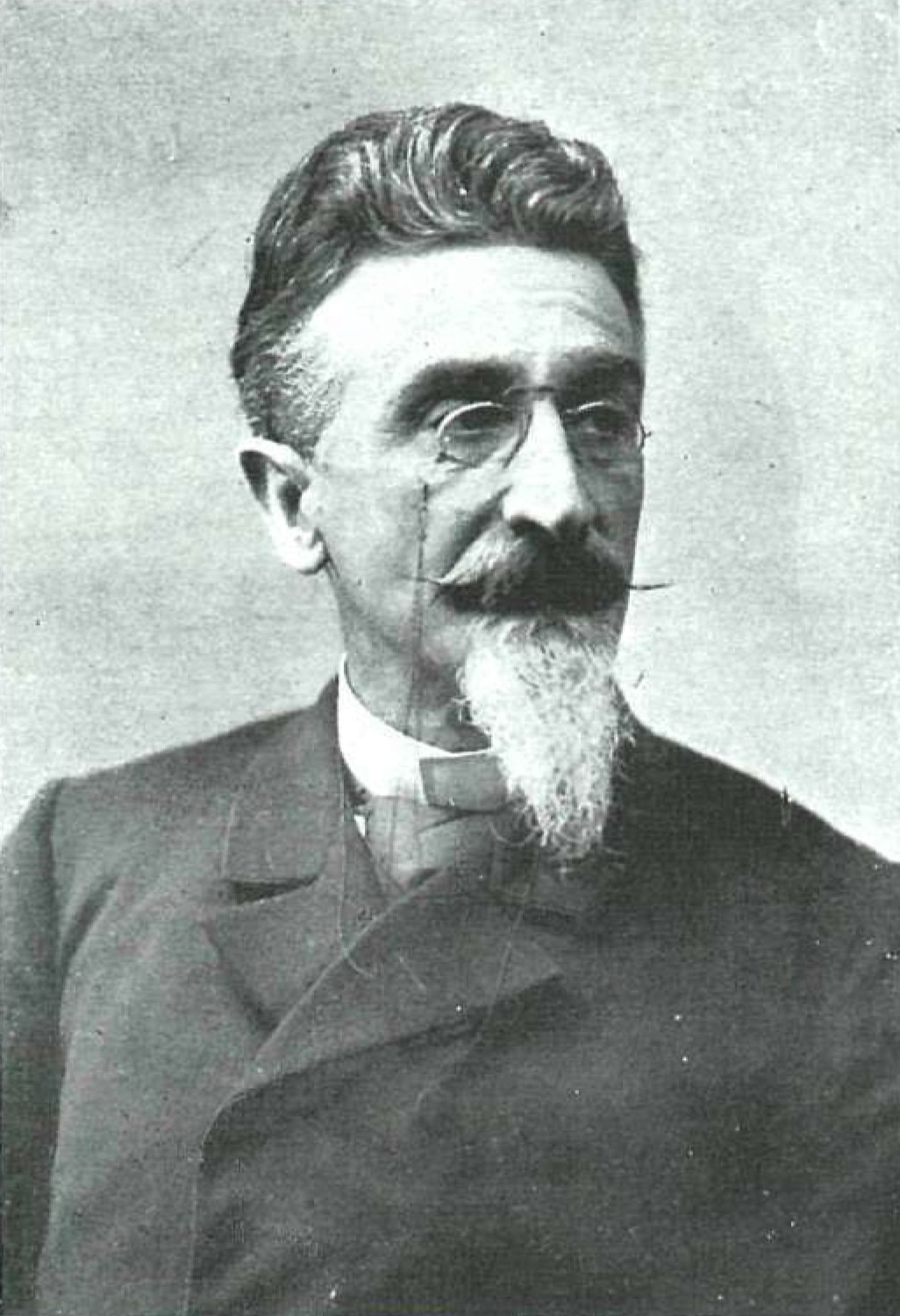
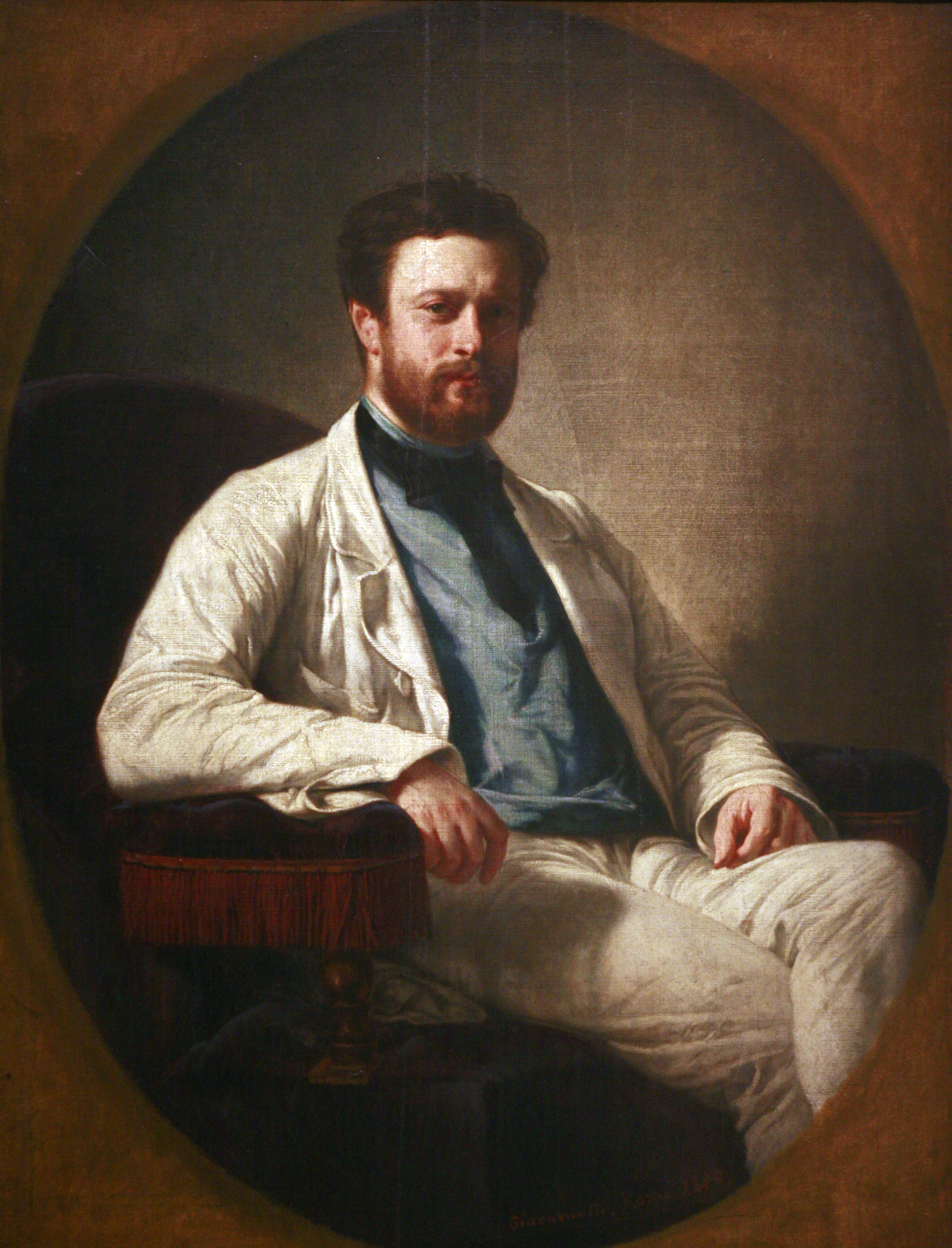
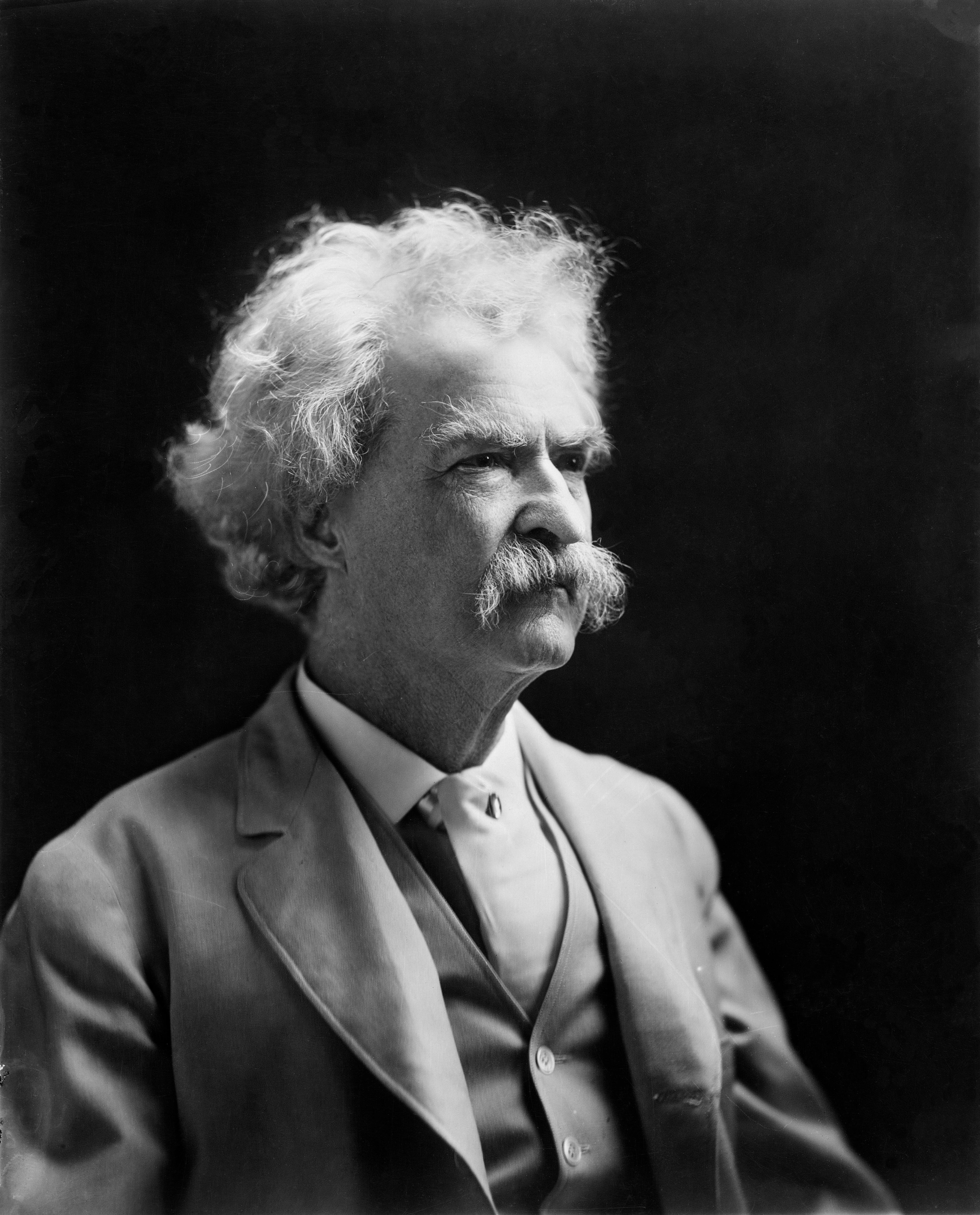
N. S. Leskov was a prominent Russian writer known for his vivid storytelling and deep exploration of Russian society in the 19th century. Born in the Tula province, Leskov's early life was marked by a diverse range of experiences, including work as a clerk and a stint in the military. These experiences enriched his understanding of the Russian populace, which he depicted with both empathy and critical insight in his literary works. His narratives often focused on the lives of ordinary people, showcasing their struggles, moral dilemmas, and the complexities of human nature. Among his notable works are 'Lady Macbeth of Mtsensk,' a novella that explores themes of passion and betrayal, and 'The Enchanted Wanderer,' which reflects on the spiritual journey of a wanderer through various encounters. Leskov's writing is characterized by its rich language, humor, and a keen sense of the absurd, making him a unique voice in Russian literature. His ability to blend realism with folklore and moral questions set him apart from his contemporaries, influencing later writers such as Anton Chekhov and Maxim Gorky. Leskov's legacy endures as a significant figure in the development of the short story genre in Russia, and his works continue to be studied for their intricate characterizations and social commentary.
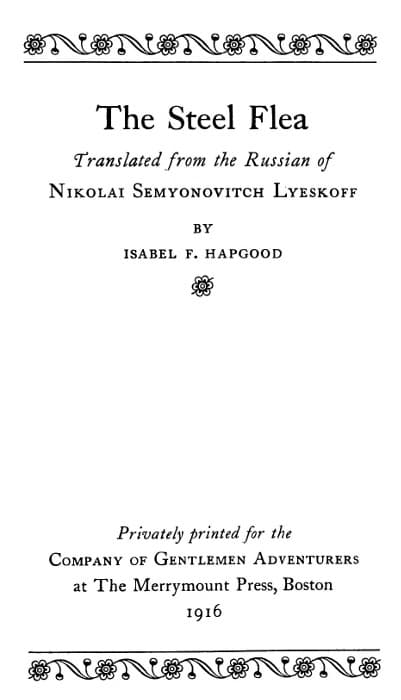
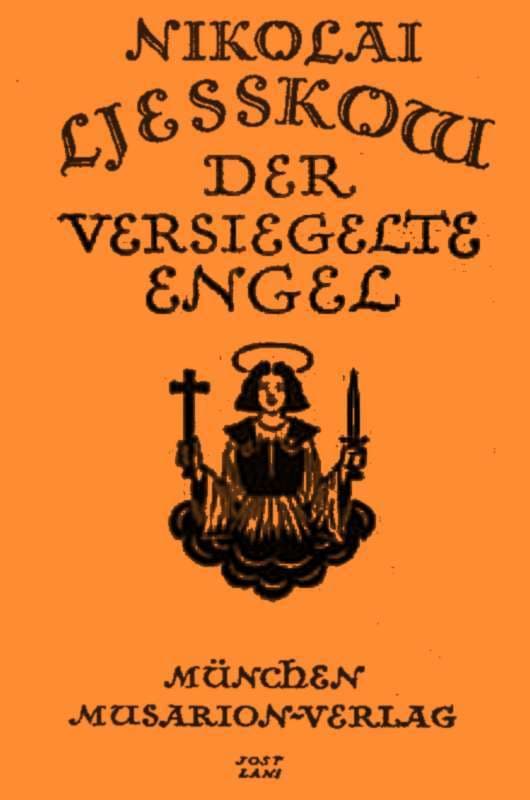
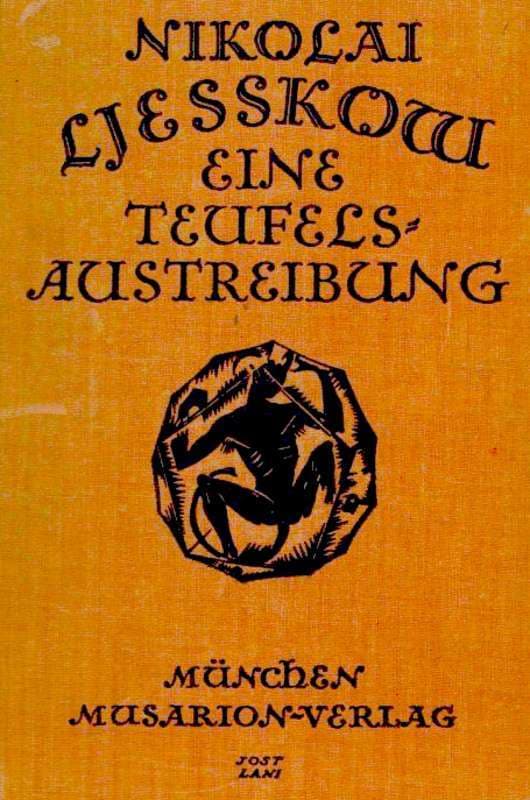
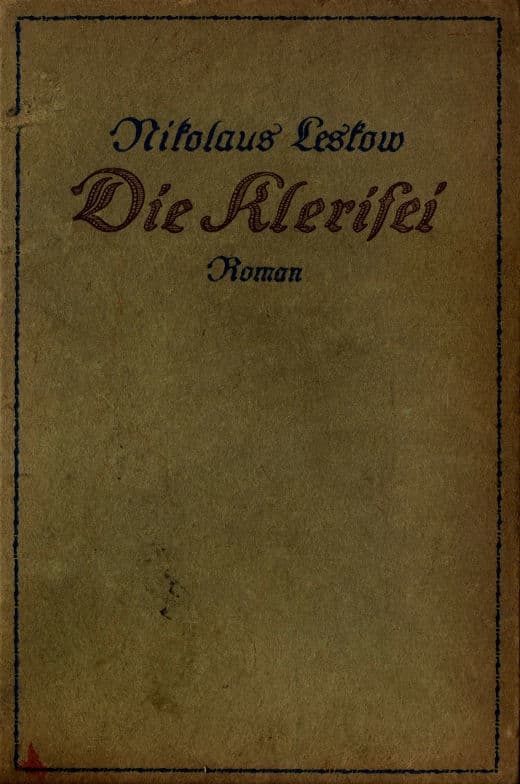
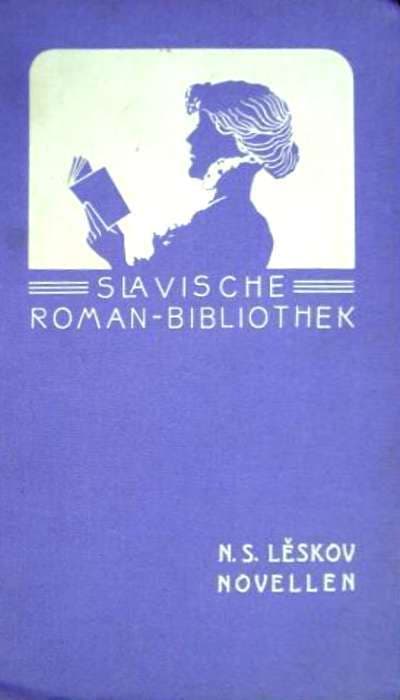
Books from the author




Link to this page
Add a free, dofollow link to Lex on your blog, forum, syllabus, or reading list.

<a href="https://lex-books.com/author/n-s-leskov"><img src="https://lex-books.com/badges/read-on-lex.svg" alt="N. S. Leskov on Lex" width="160" height="40"></a>[](https://lex-books.com/author/n-s-leskov)[url=https://lex-books.com/author/n-s-leskov][img]https://lex-books.com/badges/read-on-lex.svg[/img][/url]N. S. Leskov on Lex: https://lex-books.com/author/n-s-leskov