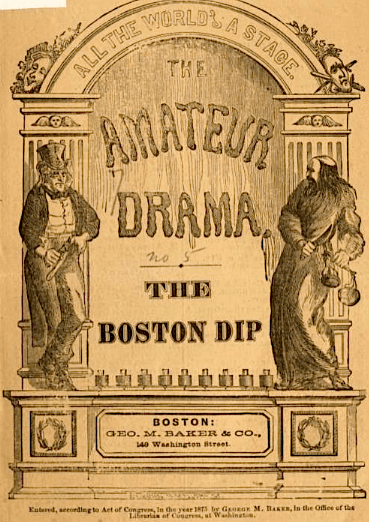
George M. Baker
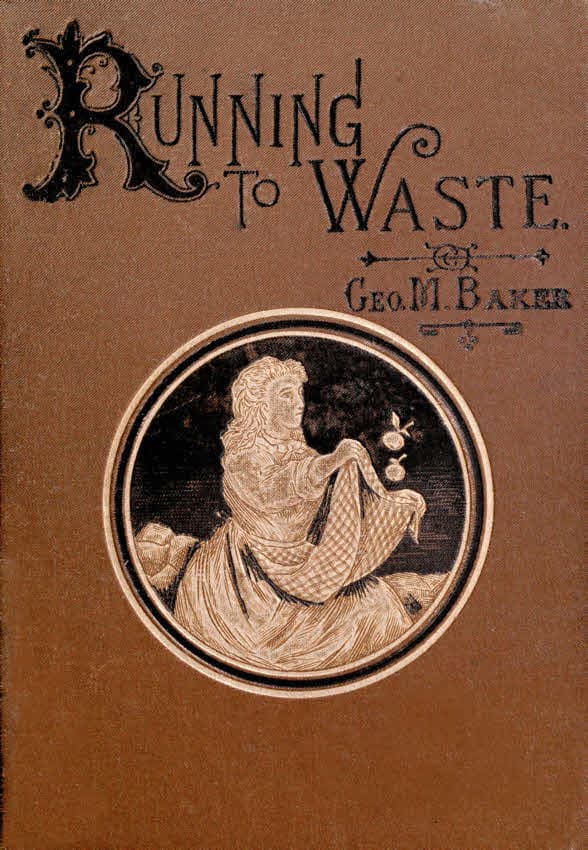
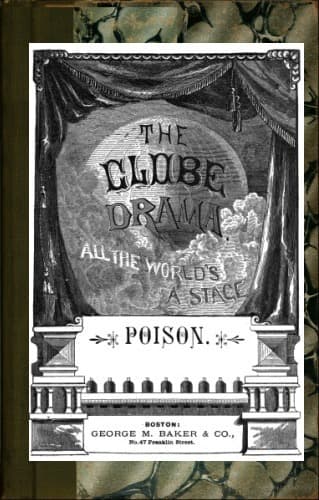
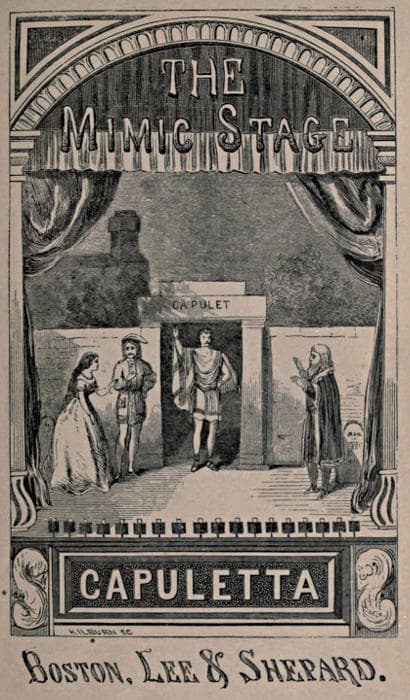
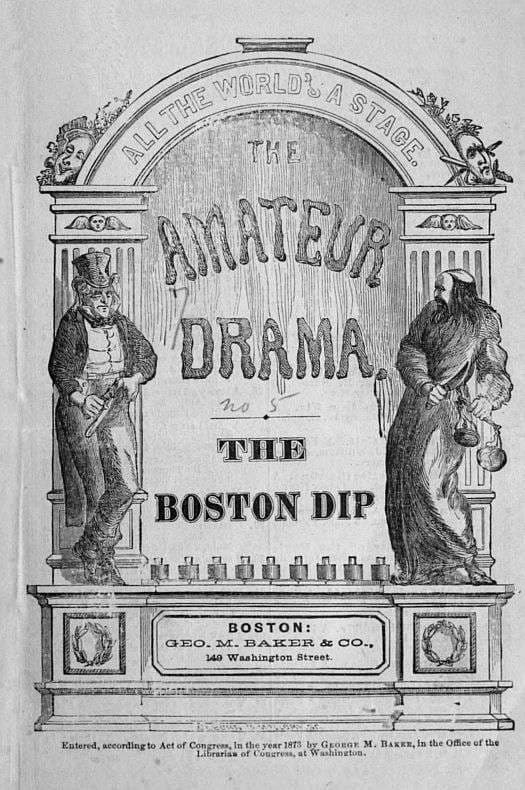
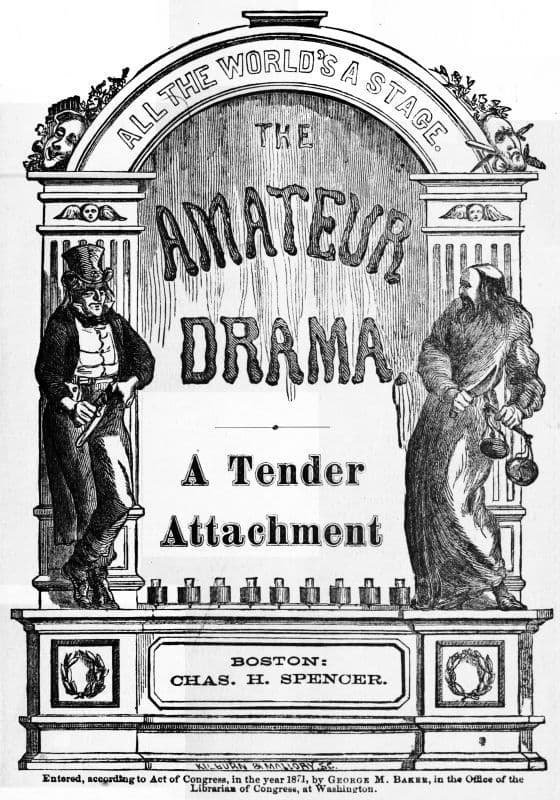
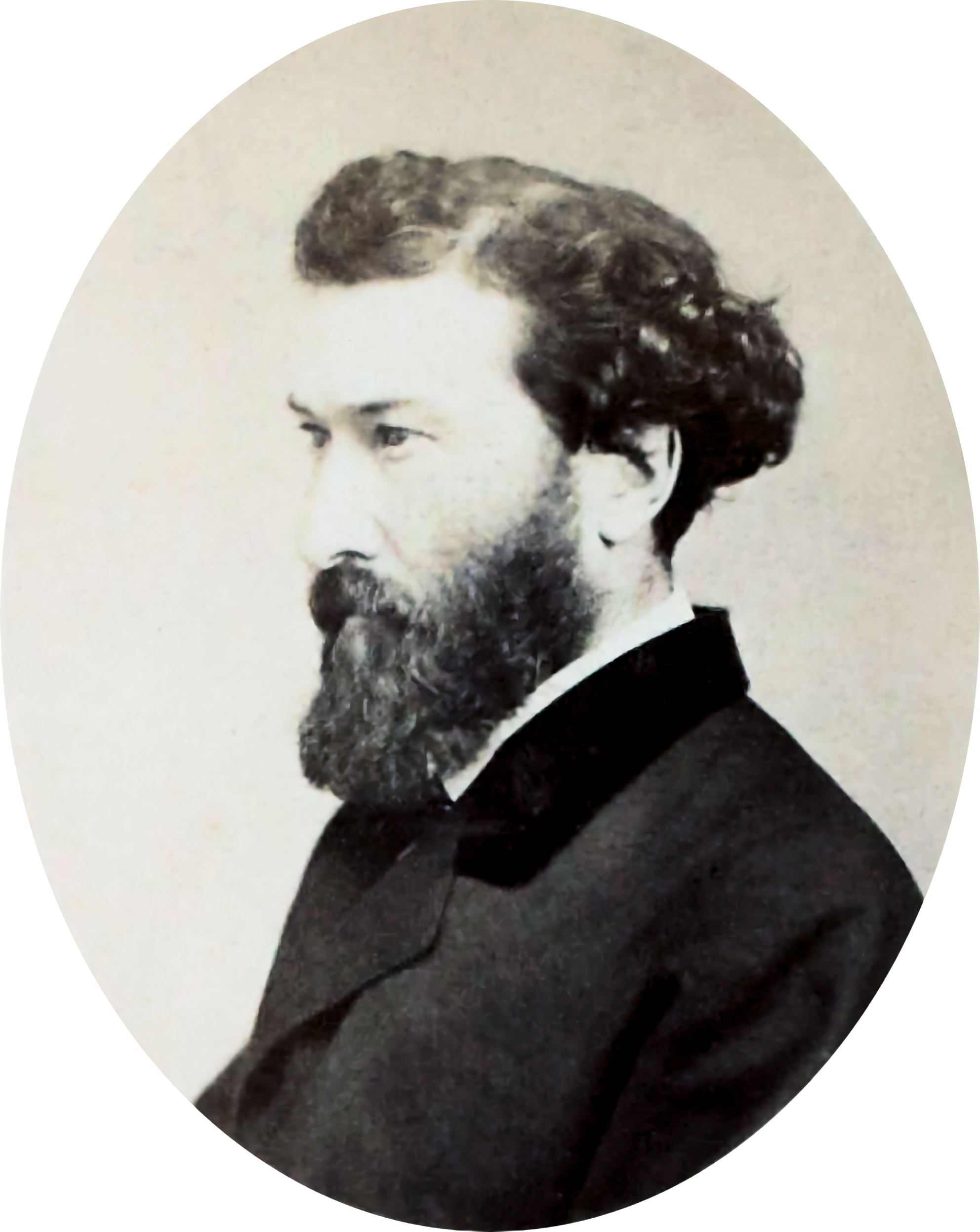
George M. Baker was a prominent American playwright and theatrical producer in the 19th century, known for his contributions to the genre of farce and light comedy. Born in 1832, Baker became a significant figure in the American theater scene, particularly during a time when the stage was evolving into a popular form of entertainment. His works often combined humor with social commentary, reflecting the cultural dynamics of his era. Among his notable plays are 'The Exhibition Drama,' which showcased a variety of theatrical forms, and 'Running to Waste: The Story of a Tomboy,' which highlighted themes of gender and childhood. Baker's influence extended beyond mere entertainment; he was instrumental in shaping the landscape of American theater by popularizing the farce, a genre characterized by exaggerated characters and improbable situations. His works, such as 'Gentlemen of the Jury' and 'Poison,' exemplified his knack for witty dialogue and engaging plots. Additionally, 'The Mimic Stage' served as a comprehensive collection of his dramatic works, making them accessible for both public exhibitions and private performances. Baker's legacy is marked by his ability to blend humor with social themes, leaving an indelible mark on the theatrical traditions of his time. He passed away in 1890, but his contributions to American theater continue to be recognized and appreciated.
Famous Quotes
View all 1 quotes“Their appearances on behalf of the Texas Republican Party evolved into a private friendship that continued over the years. “When he was head of the CIA, I called him one day and I said, ‘George, I’m coming to Washington, would you have time to play tennis?’ And he said ‘Yeah.’ He said, ‘How would you like to play at the White House?’ And I said ‘Man, that’d be a real deal.’ So he said, ‘Well, I’ll have you a partner.””
Books from the author





Link to this page
Add a free, dofollow link to Lex on your blog, forum, syllabus, or reading list.

<a href="https://lex-books.com/author/george-m-baker"><img src="https://lex-books.com/badges/read-on-lex.svg" alt="George M. Baker on Lex" width="160" height="40"></a>[](https://lex-books.com/author/george-m-baker)[url=https://lex-books.com/author/george-m-baker][img]https://lex-books.com/badges/read-on-lex.svg[/img][/url]George M. Baker on Lex: https://lex-books.com/author/george-m-baker