Minot J. Savage
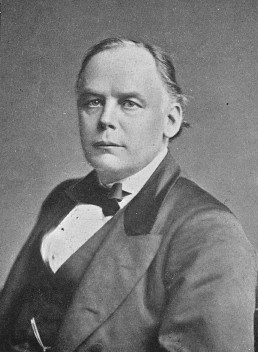
Minot J. Savage was an influential American Unitarian minister, theologian, and author, known for his progressive views on religion and spirituality. Born in 1841, he dedicated his life to exploring the intersections of faith and reason, advocating for a more personal and experiential understanding of religion. His work often challenged traditional dogmas, encouraging individuals to seek their own spiritual truths. Savage's writings reflect a deep commitment to social justice and the moral responsibilities of individuals within society. One of his notable works, 'Our Unitarian Gospel,' articulates the principles of Unitarianism, emphasizing the importance of individual conscience and the pursuit of truth. In this text, Savage sought to present a modern interpretation of Christian teachings, aligning them with contemporary values and ethical considerations. His contributions to religious thought were significant during a time of great change in American society, as he addressed issues such as the role of women in religion and the necessity of adapting spiritual beliefs to fit the needs of a rapidly evolving world. Savage's legacy lies in his role as a bridge between traditional religious beliefs and modern thought, making him a key figure in the development of Unitarian theology. His emphasis on personal experience and moral action continues to resonate within Unitarian Universalist communities today, marking him as a pivotal figure in the evolution of American religious thought.
Famous Quotes
View all 1 quotes“We say we exchange words when we meet. What we exchange is souls.””
Books from the author






Link to this page
Add a free, dofollow link to Lex on your blog, forum, syllabus, or reading list.

<a href="https://lex-books.com/author/minot-j-savage"><img src="https://lex-books.com/badges/read-on-lex.svg" alt="Minot J. Savage on Lex" width="160" height="40"></a>[](https://lex-books.com/author/minot-j-savage)[url=https://lex-books.com/author/minot-j-savage][img]https://lex-books.com/badges/read-on-lex.svg[/img][/url]Minot J. Savage on Lex: https://lex-books.com/author/minot-j-savage