
Millard Fillmore
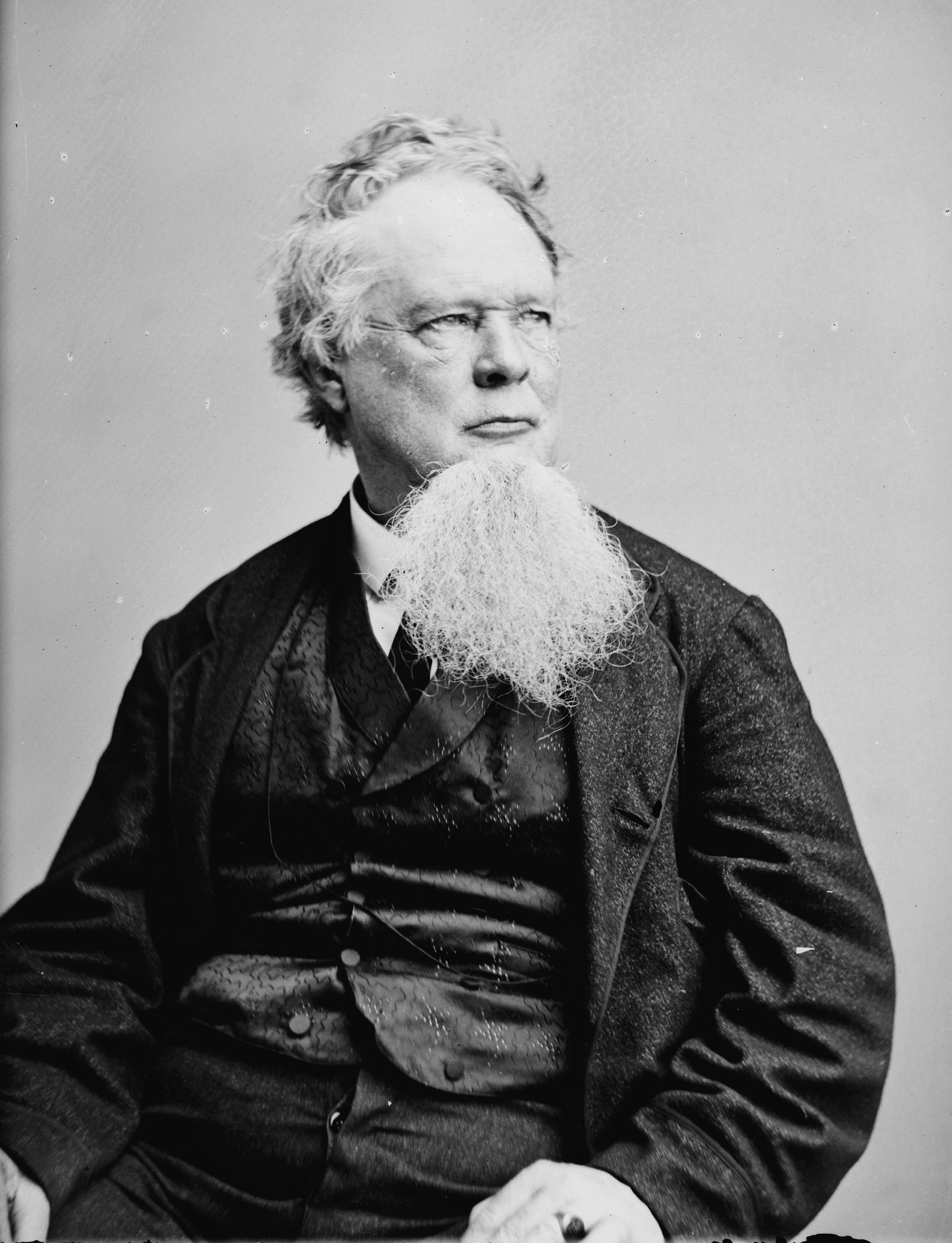
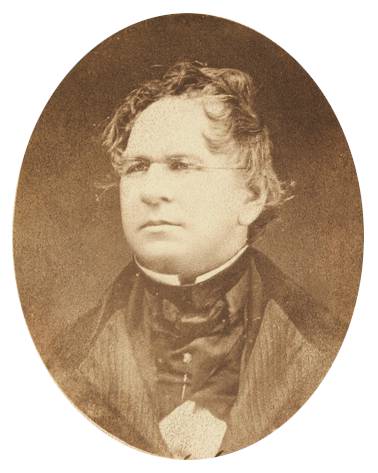
Millard Fillmore was the 13th president of the United States, serving from 1850 to 1853, and the last president from the Whig Party. Born into poverty in the Finger Lakes region of New York, Fillmore had limited formal education but pursued a career in law, eventually becoming a prominent attorney and politician in Buffalo. He entered politics as a member of the Anti-Masonic Party before joining the Whigs, where he held various positions, including U.S. House of Representatives member and Comptroller of New York. His political career was marked by his complex stance on slavery, which he deemed evil yet believed was beyond federal intervention to abolish. As president, Fillmore is best known for his role in the passage of the Compromise of 1850, a significant legislative package aimed at resolving tensions between slave and free states. This compromise included the controversial Fugitive Slave Act, which mandated the return of escaped slaves, a decision that ultimately hurt Fillmore's popularity and contributed to the decline of the Whig Party. His administration also focused on foreign policy, supporting naval expeditions to Japan and opposing French ambitions in Hawaii. Despite his efforts, Fillmore failed to secure the Whig nomination for a second term in 1852, marking a decline in his political influence and the party's relevance as the nation moved closer to civil conflict over slavery.
Famous Quotes
View all 3 quotes“An honorable defeat is better than a dishonorable victory.””
“The nourishment is palatable.””
“May God save the country, for it is evident that the people will not.””
Books from the author




Link to this page
Add a free, dofollow link to Lex on your blog, forum, syllabus, or reading list.

<a href="https://lex-books.com/author/millard-fillmore"><img src="https://lex-books.com/badges/read-on-lex.svg" alt="Millard Fillmore on Lex" width="160" height="40"></a>[](https://lex-books.com/author/millard-fillmore)[url=https://lex-books.com/author/millard-fillmore][img]https://lex-books.com/badges/read-on-lex.svg[/img][/url]Millard Fillmore on Lex: https://lex-books.com/author/millard-fillmore