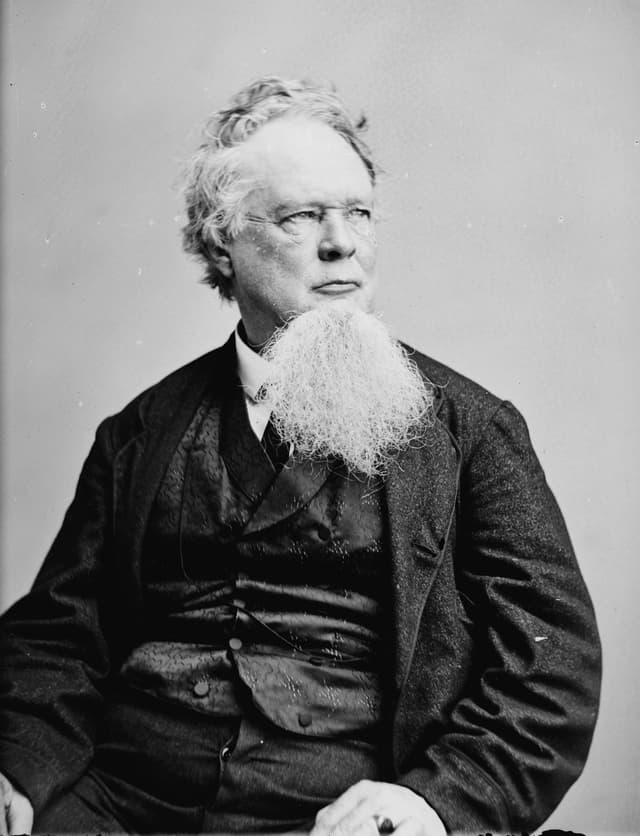
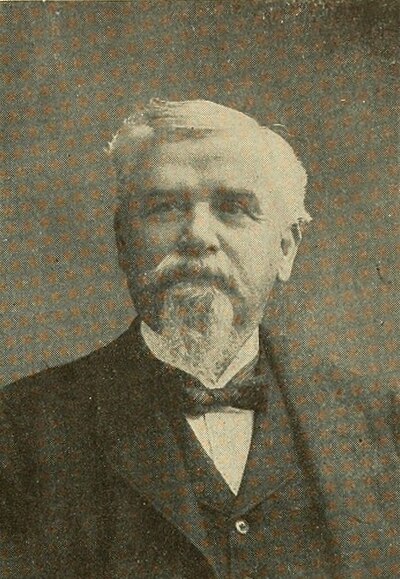
William Gilmore Simms
William Gilmore Simms was a prominent poet, novelist, politician, and historian from the American South, whose literary contributions were significant during the 19th century. He was highly regarded by his contemporaries, with Edgar Allan Poe famously declaring him the best novelist America had ever produced. Simms's works, which include notable titles such as 'The Sword and the Distaff' and 'The Partisan,' reflect the complexities of Southern identity and culture in the antebellum period. His narratives often explored themes of honor, loyalty, and the Southern way of life, establishing him as a major figure in Southern literature. However, Simms's legacy is complicated by his staunch support of slavery and his vocal opposition to abolitionist literature, particularly Harriet Beecher Stowe's 'Uncle Tom's Cabin.' In response to the growing anti-slavery sentiment, he wrote critical reviews and engaged in literary debates that defended the institution of slavery. Simms also played an active role in politics, serving in the South Carolina House of Representatives and editing various journals and newspapers. His work continues to be studied for its historical context and its reflection of the antebellum South, marking him as a significant, albeit controversial, figure in American literary history.
Famous Quotes
View all 2 quotes“Găsesc că numa' așa poți trăi pe lume, făcând mereu câte ceva, de vrei să nu-nnebunești or să nu scobori mai jos decât câinele ultimului om.”
“The only true source of politeness is consideration.”
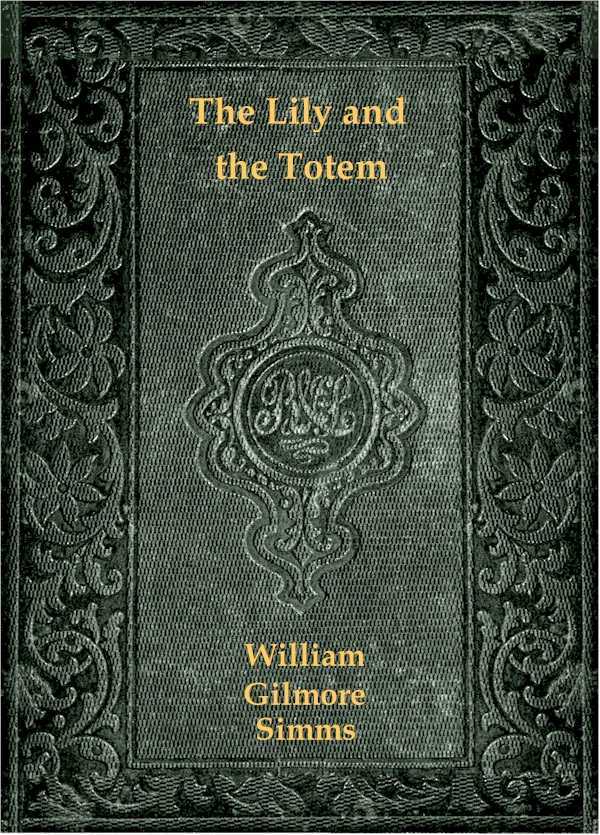
Books from the author


Link to this page
Add a free, dofollow link to Lex on your blog, forum, syllabus, or reading list.

<a href="https://lex-books.com/author/william-gilmore-simms"><img src="https://lex-books.com/badges/read-on-lex.svg" alt="William Gilmore Simms on Lex" width="160" height="40"></a>[](https://lex-books.com/author/william-gilmore-simms)[url=https://lex-books.com/author/william-gilmore-simms][img]https://lex-books.com/badges/read-on-lex.svg[/img][/url]William Gilmore Simms on Lex: https://lex-books.com/author/william-gilmore-simms