Matilda Coxe Stevenson
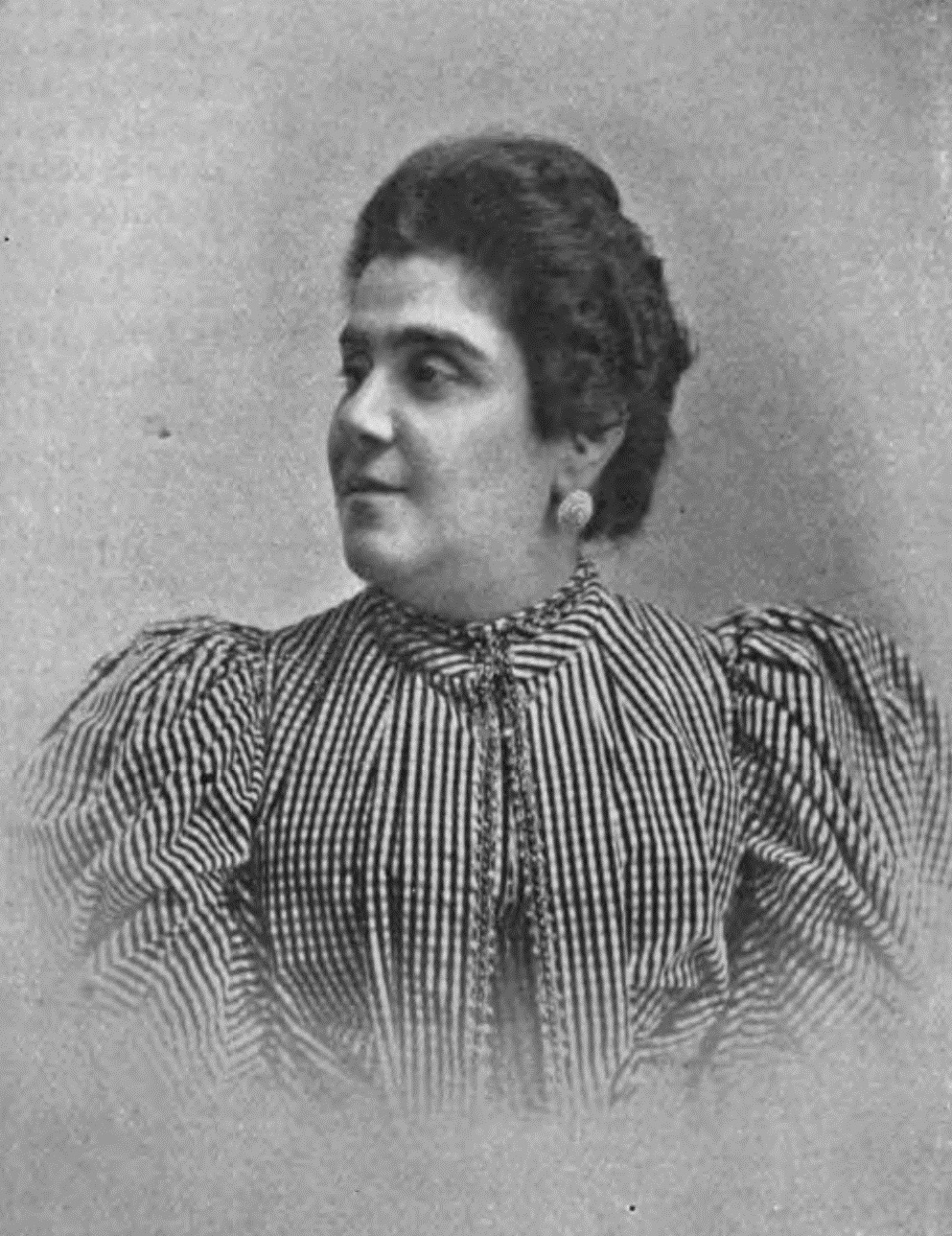
Matilda Coxe Stevenson, known as Tilly E. Stevenson, was a pioneering American anthropologist who broke significant barriers for women in the field. As the first woman employed as an anthropologist in the United States, she made her mark by studying the Native American tribes of New Mexico, particularly the Zuni people. Her work was notable not only for its content but also for her innovative use of photography in ethnology, which helped to document and preserve the cultural practices of Indigenous peoples. Stevenson published several important monographs, contributing to the understanding of Southwestern Indigenous cultures and establishing herself as a respected figure among her contemporaries in anthropology. In addition to her research, Stevenson was a staunch advocate for women in science, co-founding the Women's Anthropological Society in Washington, D.C. Despite facing significant challenges as a woman in a male-dominated field, she persevered and earned recognition for her contributions. Her legacy is marked by her role as a trailblazer for female anthropologists and her commitment to advancing the study of Indigenous cultures, making her an influential figure in the early development of American anthropology.
Books from the author