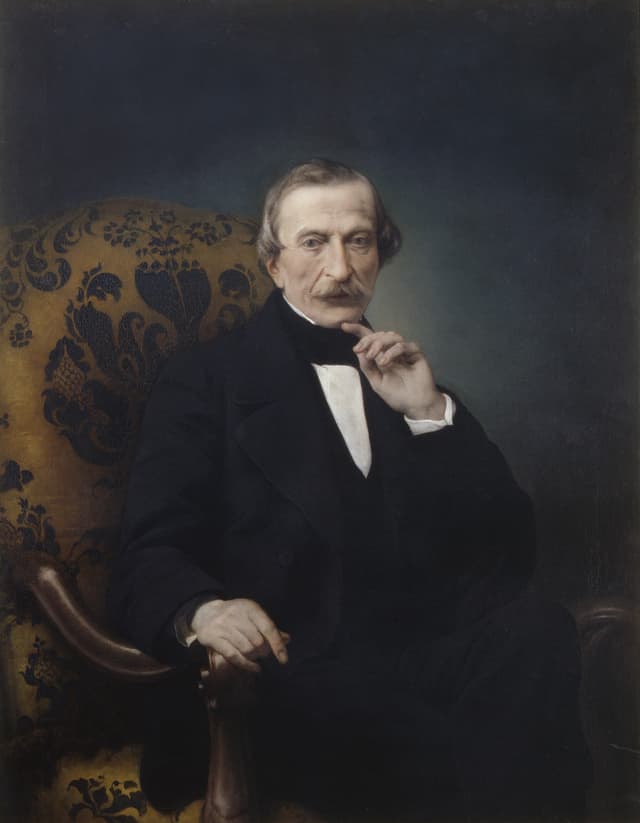
Massimo d' Azeglio
Massimo d'Azeglio was a prominent Piedmontese statesman, novelist, and painter who played a significant role in the unification of Italy during the 19th century. As Prime Minister of Sardinia, he served from 1860 to 1862, where he was instrumental in consolidating the parliamentary system and advocating for a federal union among the Italian states. A moderate liberal, d'Azeglio championed civil liberties, including freedom of worship and public education, while also working to limit the influence of the clergy in politics. His tenure was marked by efforts to negotiate peace with Austria and to address the complex Roman Question following the annexation of the United Provinces of Central Italy. In addition to his political career, d'Azeglio was an accomplished novelist, known for his works that reflect the social and political climate of his time. His notable literary contributions include the historical novel "Ettore Fieramosca," which explores themes of honor and national identity. D'Azeglio's writings not only provided insight into the struggles of Italy's unification but also contributed to the cultural discourse surrounding the formation of a modern Italian state. His legacy endures as a key figure in both the political and literary landscapes of 19th-century Italy, embodying the complexities of a nation in transition.
Famous Quotes
View all 1 quotes“Italy has been made; now it remains to make Italians”
Books from the author
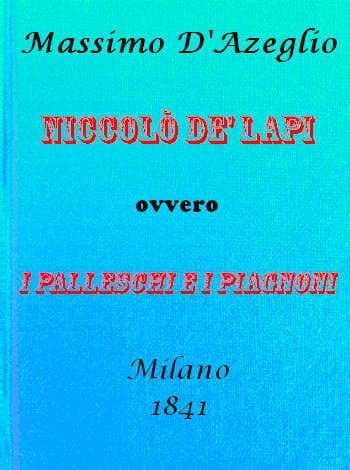
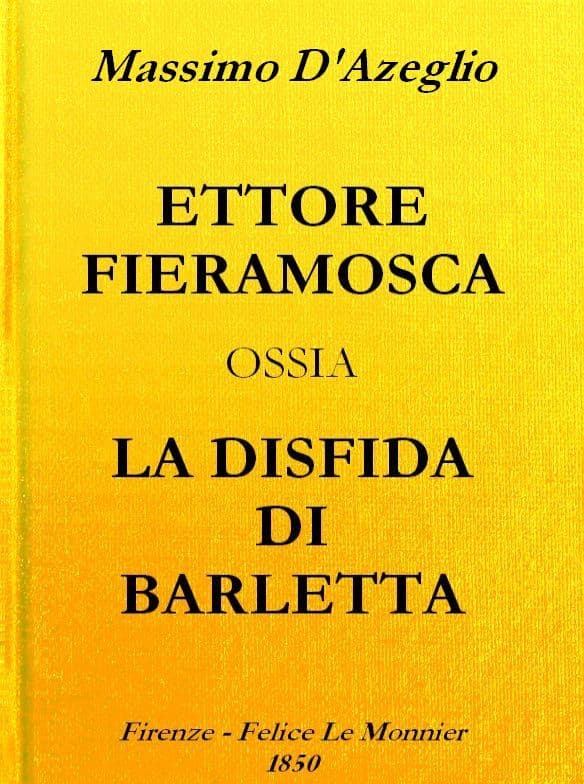
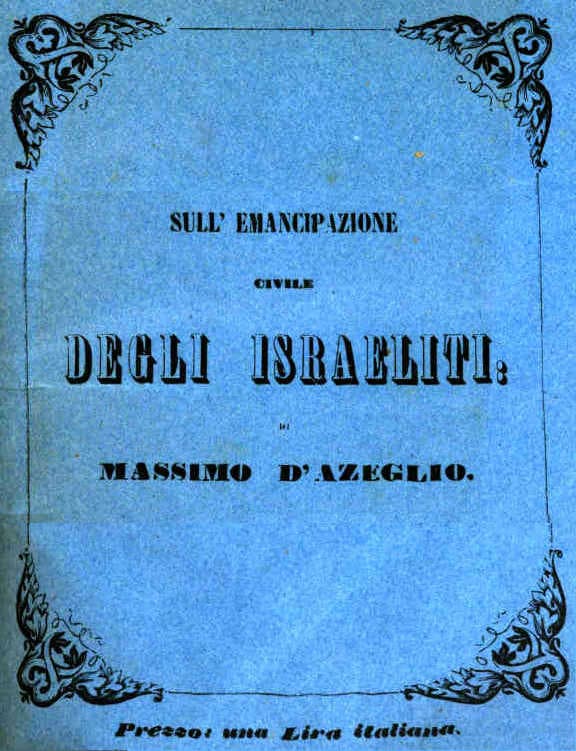


Link to this page
Add a free, dofollow link to Lex on your blog, forum, syllabus, or reading list.

<a href="https://lex-books.com/author/massimo-d-azeglio"><img src="https://lex-books.com/badges/read-on-lex.svg" alt="Massimo d' Azeglio on Lex" width="160" height="40"></a>[](https://lex-books.com/author/massimo-d-azeglio)[url=https://lex-books.com/author/massimo-d-azeglio][img]https://lex-books.com/badges/read-on-lex.svg[/img][/url]Massimo d' Azeglio on Lex: https://lex-books.com/author/massimo-d-azeglio