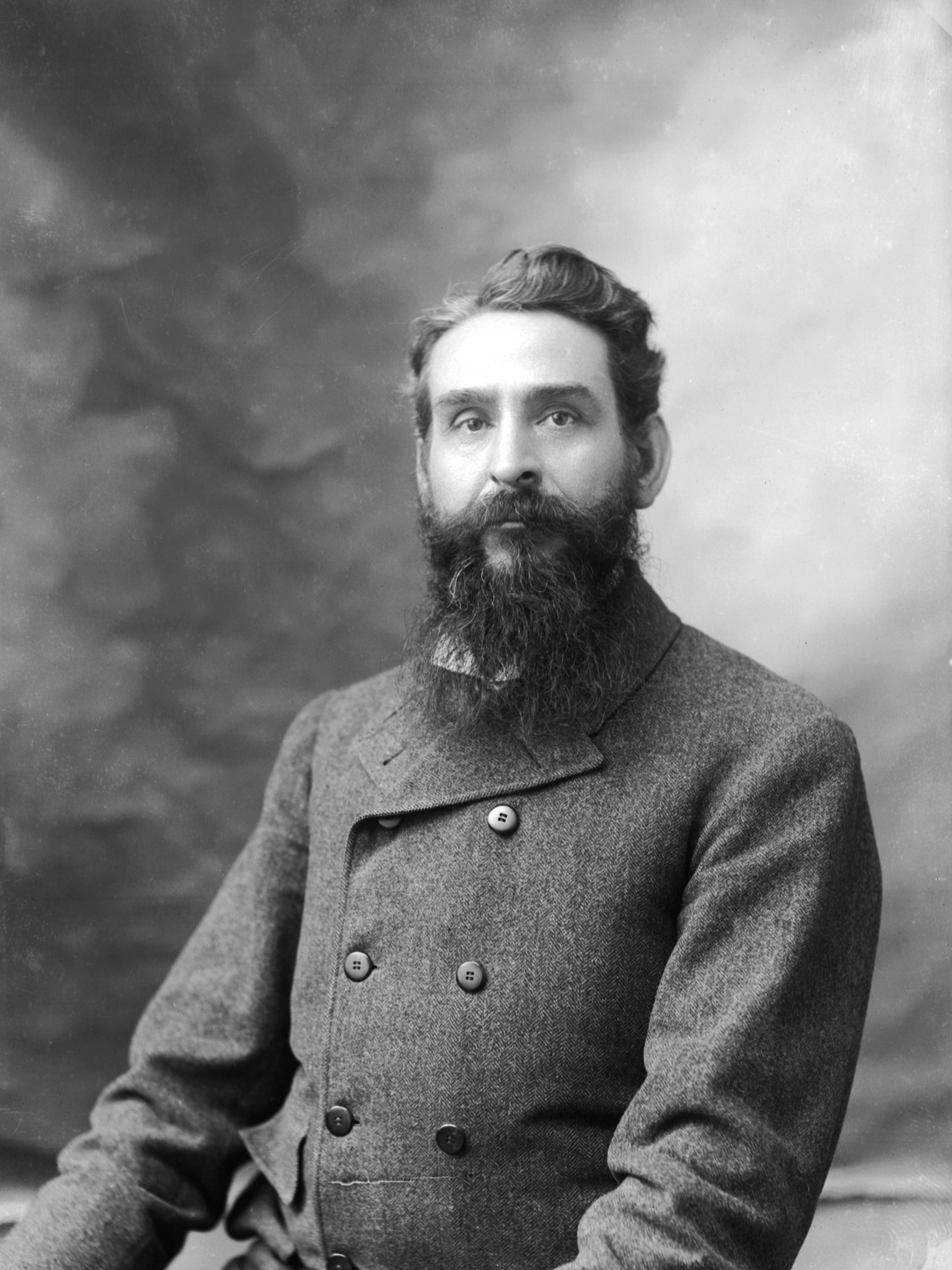
Lucullus Virgil McWhorter
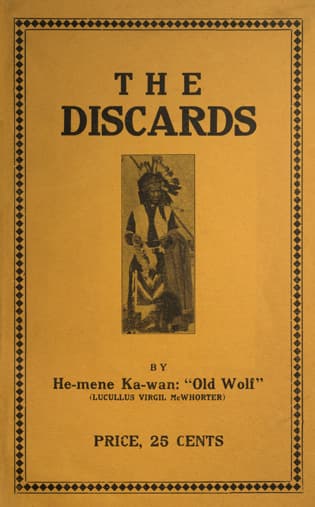
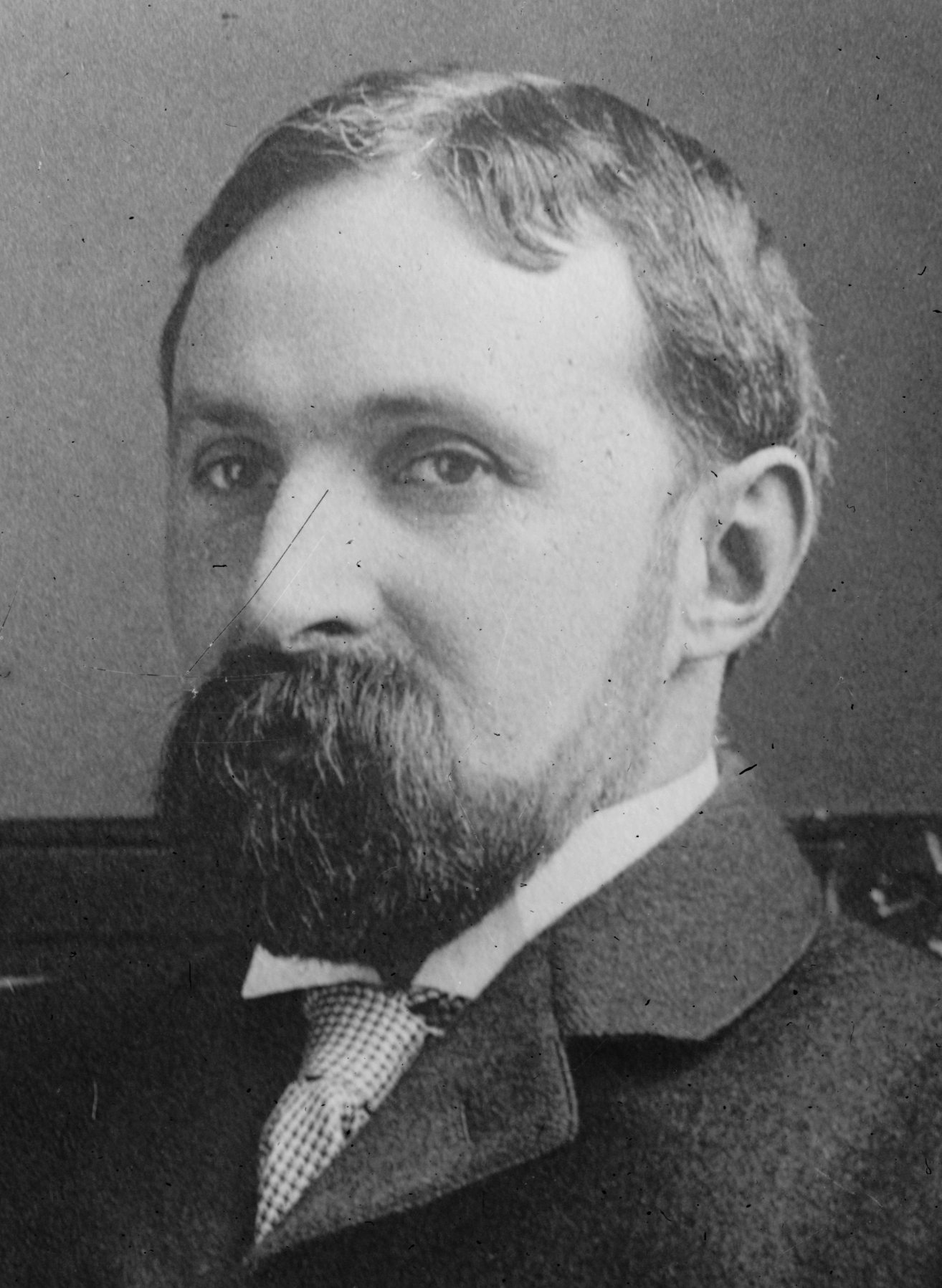
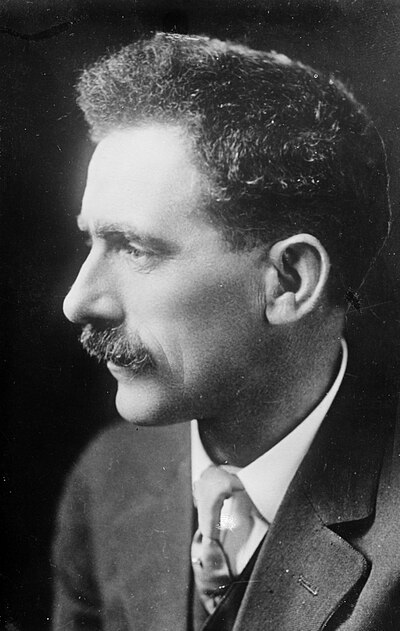
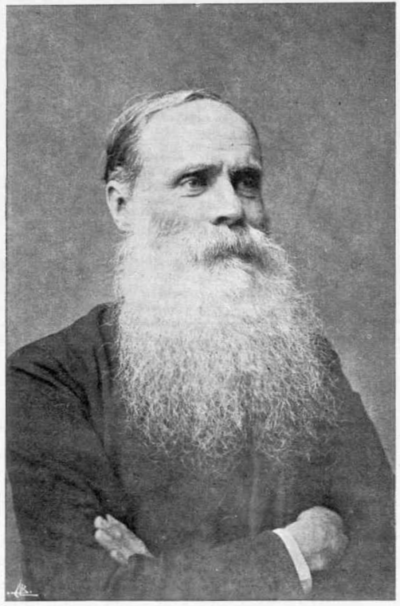
Lucullus Virgil McWhorter was an American farmer, rancher, and frontiersman whose life was deeply intertwined with the Native American tribes of the Pacific Northwest. Born in 1860, he spent his early years in West Virginia and Ohio before moving to Yakima, Washington, in 1903. There, he became an active member of the community, particularly engaging with the Yakama Nation. His advocacy for Native American rights culminated in his adoption as an honorary member of the Yakama, where he earned the name Hemene Ka-Wan, or Old Wolf, after his efforts to protect their land rights against federal encroachments. McWhorter's legacy is primarily rooted in his anthropological studies of Native American cultures, particularly those of the Plateau tribes. His writings documented their history, traditions, and the injustices they faced, making significant contributions to the preservation of their cultural heritage. Although considered an amateur in his time, his work has gained recognition for its importance in anthropology, with his papers housed in Washington State University's special collections. Scholars today regard his studies as essential resources for understanding the cultural dynamics of the Columbia Basin tribes, and his advocacy efforts have left a lasting impact on the representation and treatment of Native Americans in the United States.
Famous Quotes
View all 3 quotes“At the Big Hole: Savagery of the Whites: Two small children crossed the creek alone and hid in the brush. Some women and the old medicine man, Kahpots, were there. One woman requested of him, "Why not do something against soldiers' killing? You must have some strong Power?" Kapots replied, "I can do nothing. I have tried, but my Power is not effective. I feel helpless. So, my niece, you better look out for yourself, how you can save your life. Go farther down the creek!" The woman did as directed and was saved. Kahpots, unable to travel farther, had to be left on the trail a few days later, and was killed and scalped by General Howard's Bannacks, and maybe white scouts. . . .when I think of those terrible scenes, wrongs waged against human beings, I say shame! shame! This great Christian government had power to do differently by those truly patriotic people. It is such rememberances [sic] which touch my emotions, and I am led to marvel at the term 'civilization.”
“This is all for me to tell of the war, and of our after hardships. The story will be for people who come after us. For them to see, to know what was done here. Reasons for the war, never before told. Nobody to help us tell our side -- the whites told only one side. Told it to please themselves. Told much that is not true. Only his own best deeds, only the worst deeds of the Indians, has the white man told.”
“There is nothing more to tell of my tricks, of my danger deeds. All these are now behind me. It is not as a warrior that I now talk. I was riding alone, knowing what was ahead of me. Then the places through which I was riding came to my heart. It drew memories of old times, of my friends, when they were living on this river. My friends, my brothers, my sisters! All were gone! No tepees anywhere along the river. I was alone. No difference if I was hanged. I did not think I would die by the gun. The only way I could be killed was by hanging. That church Agent! That brave General Howard! They would see how I could die! I, a warrior, who knew the fighting! Keeping the religion of my ancestors, I knew not to fear.”
Books from the author



Link to this page
Add a free, dofollow link to Lex on your blog, forum, syllabus, or reading list.

<a href="https://lex-books.com/author/lucullus-virgil-mcwhorter"><img src="https://lex-books.com/badges/read-on-lex.svg" alt="Lucullus Virgil McWhorter on Lex" width="160" height="40"></a>[](https://lex-books.com/author/lucullus-virgil-mcwhorter)[url=https://lex-books.com/author/lucullus-virgil-mcwhorter][img]https://lex-books.com/badges/read-on-lex.svg[/img][/url]Lucullus Virgil McWhorter on Lex: https://lex-books.com/author/lucullus-virgil-mcwhorter