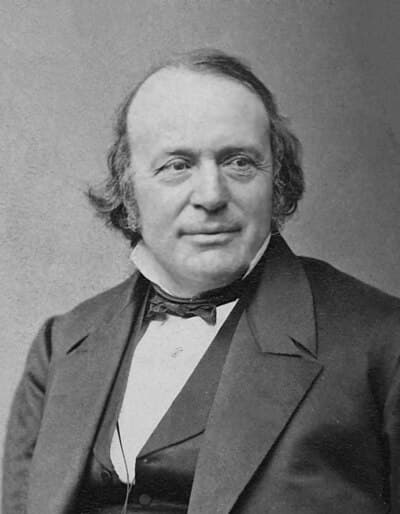
Louis Agassiz
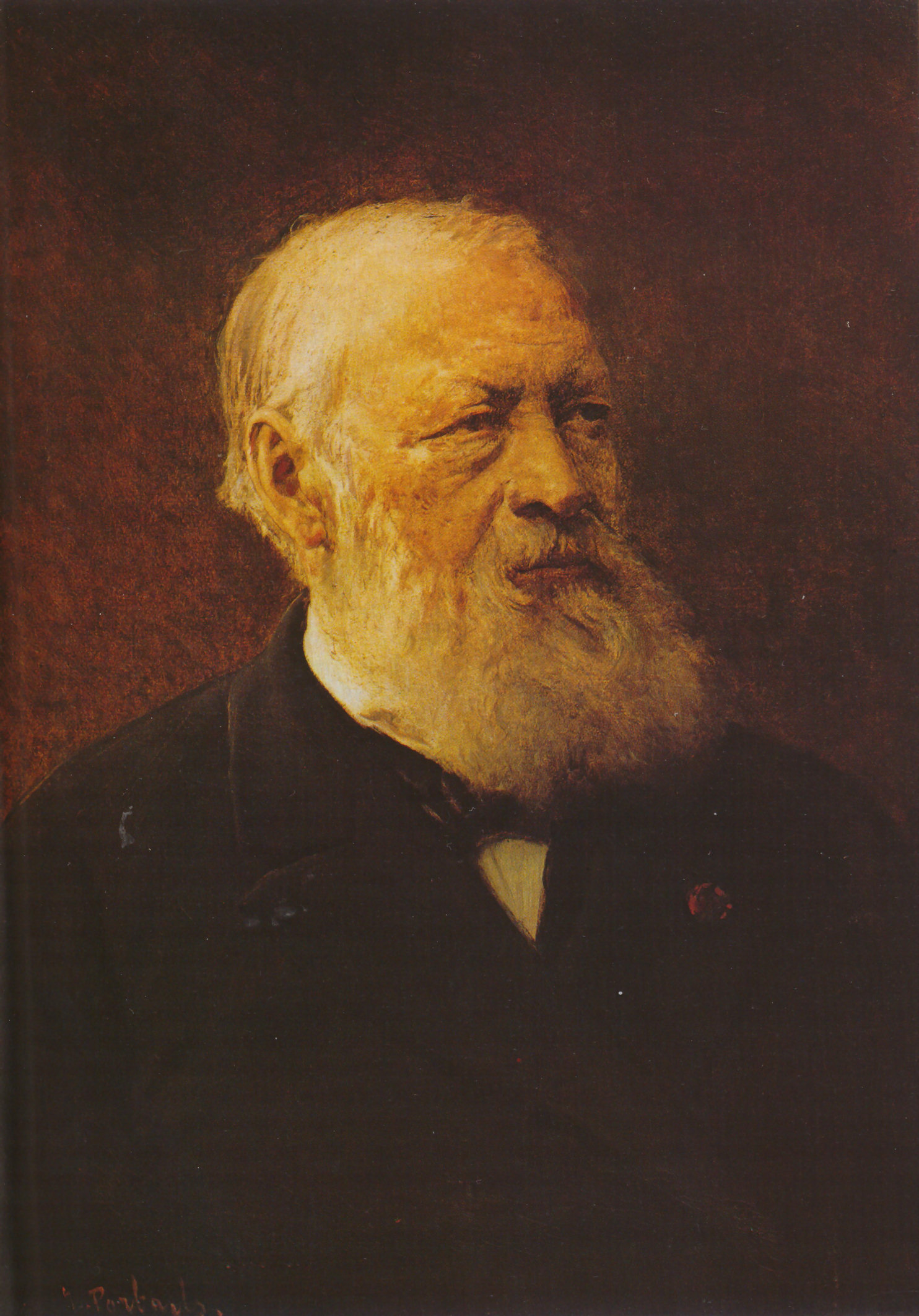
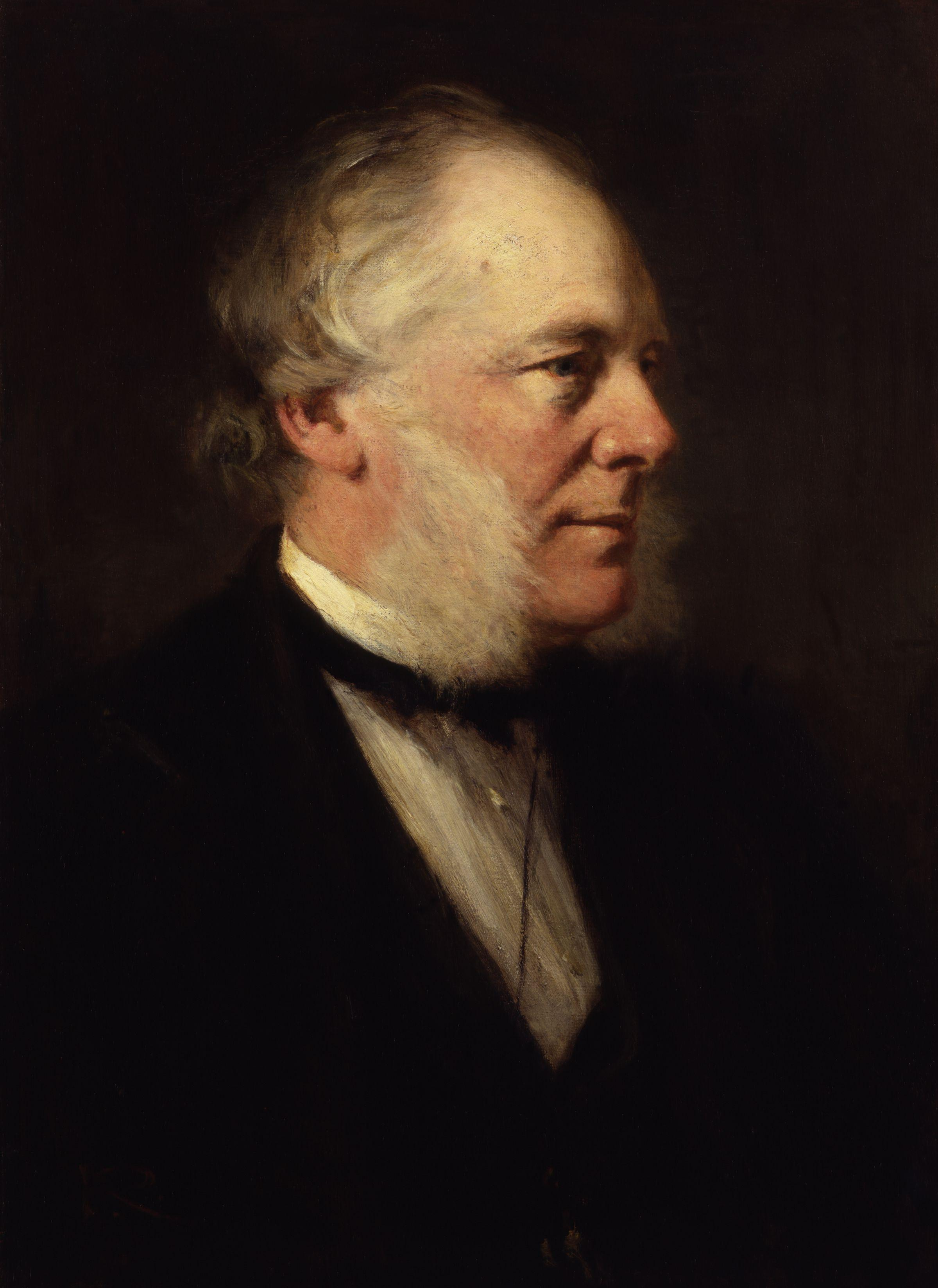
Jean Louis Rodolphe Agassiz was a prominent Swiss-born American biologist and geologist, renowned for his extensive contributions to the understanding of Earth's natural history. Born in Switzerland, he pursued his education in Europe, earning a PhD in Erlangen and a medical degree in Munich. His studies under notable figures like Georges Cuvier and Alexander von Humboldt in Paris laid the groundwork for his future endeavors. In 1847, Agassiz emigrated to the United States, where he became a professor of zoology and geology at Harvard University. He also established the Museum of Comparative Zoology and led the Lawrence Scientific School, significantly influencing the academic landscape of natural sciences in America. Agassiz's work was characterized by meticulous observational data gathering and analysis, which he compiled into extensive multivolume research books. He is particularly celebrated for his pioneering efforts in ichthyology, including the classification of both contemporary and extinct fish species, such as the megalodon. Furthermore, Agassiz made significant strides in historical geology and is credited with founding the field of glaciology, studying the effects of glaciers on the Earth's landscape. His legacy endures through his contributions to scientific methodology and education, shaping future generations of biologists and geologists.
Famous Quotes
View all 3 quotes“Every great scientific truth goes through three stages. First, people say it conflicts with the Bible. Next they say it has been discovered before. Lastly they say they always believed it.”
“I cannot afford to waste my time making money.”
“Branches or types are characterized by the plan of their structure, Classes, by the manner in which that plan is executed, as far as ways and means are concerned, Orders, by the degrees of complication of that structure, Families, by their form, as far as determined by structure, Genera, by the details of the execution in special parts, and Species, by the relations of individuals to one another and to the world in which they live, as well as by the proportions of their parts, their ornamentation, etc.”
Books from the author



Link to this page
Add a free, dofollow link to Lex on your blog, forum, syllabus, or reading list.

<a href="https://lex-books.com/author/louis-agassiz"><img src="https://lex-books.com/badges/read-on-lex.svg" alt="Louis Agassiz on Lex" width="160" height="40"></a>[](https://lex-books.com/author/louis-agassiz)[url=https://lex-books.com/author/louis-agassiz][img]https://lex-books.com/badges/read-on-lex.svg[/img][/url]Louis Agassiz on Lex: https://lex-books.com/author/louis-agassiz