
Lope de Vega
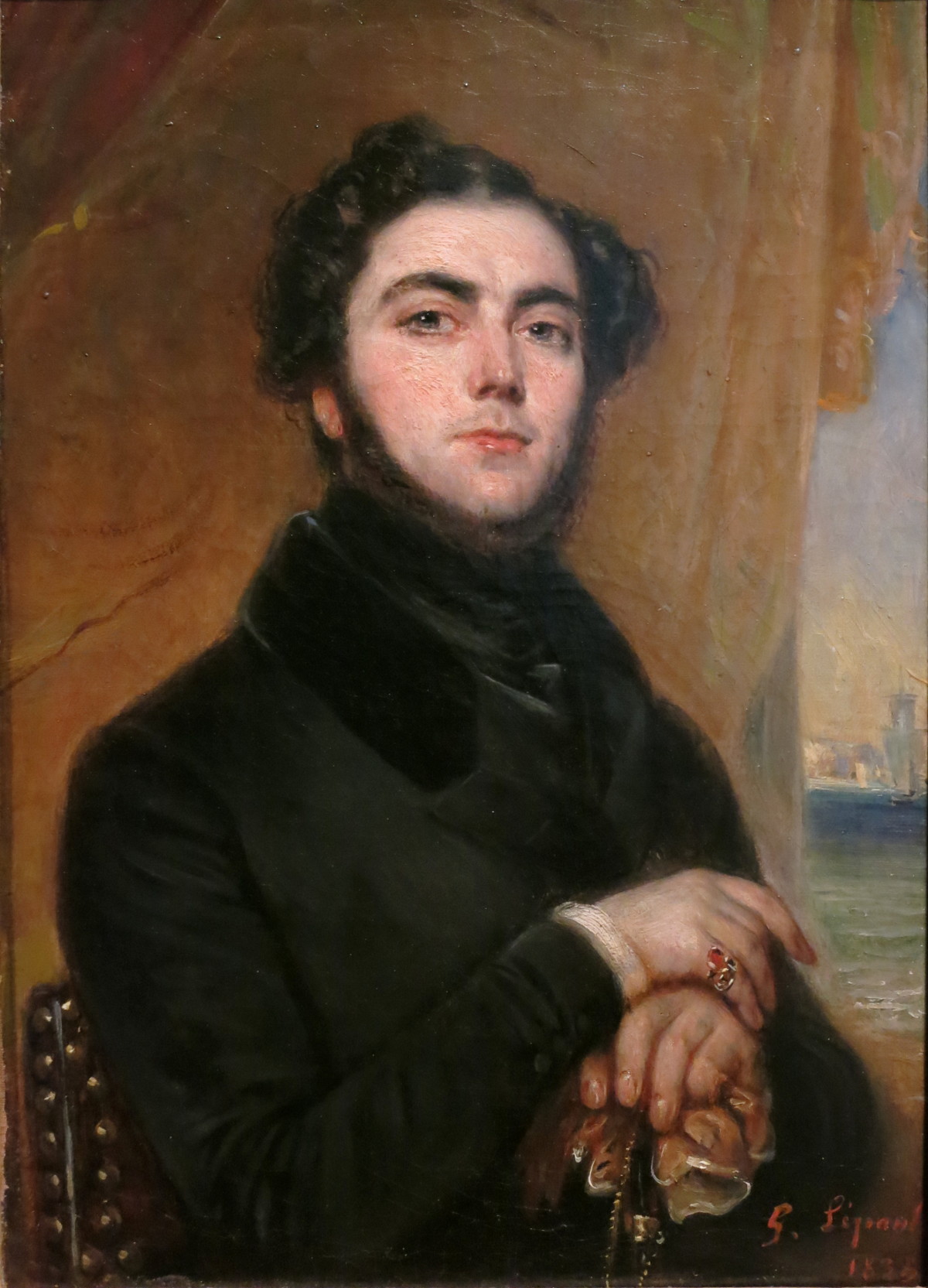
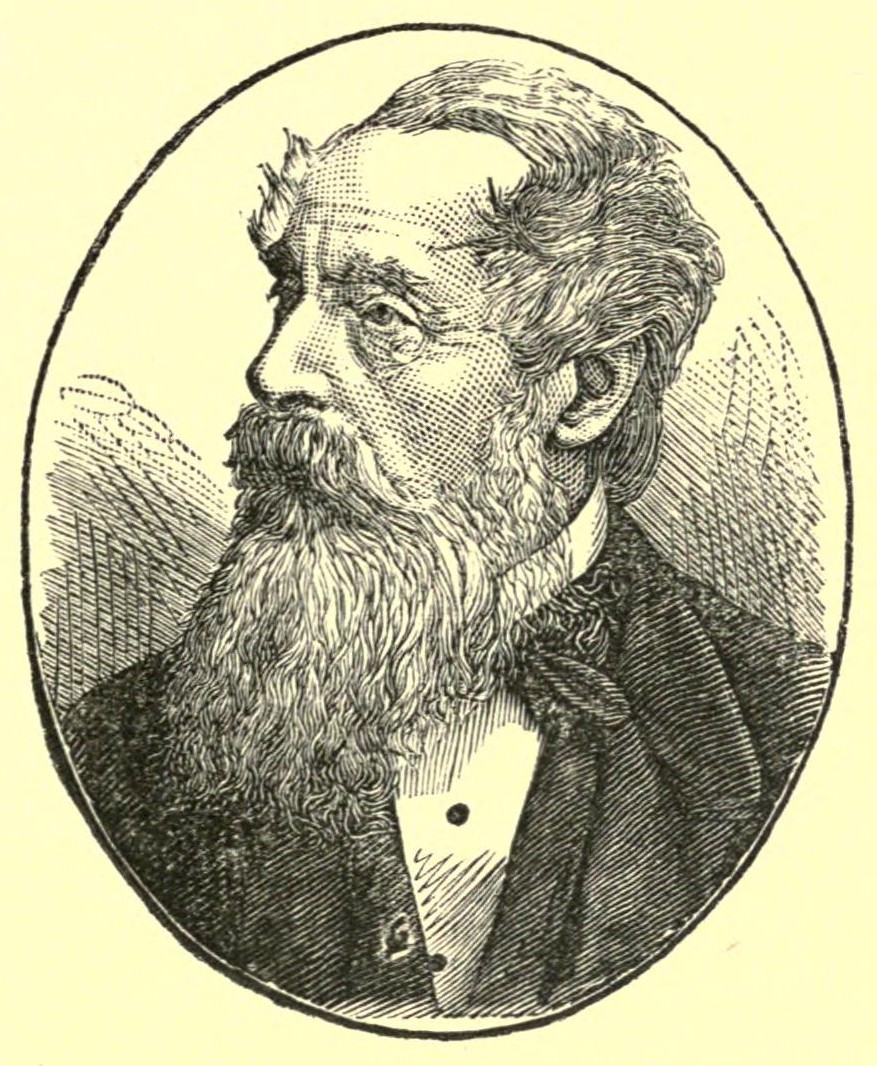
Félix Lope de Vega y Carpio was a prominent Spanish playwright, poet, and novelist, recognized as a central figure of the Spanish Golden Age of literature. Often regarded as the second most significant literary figure in Spain after Miguel de Cervantes, Lope de Vega revitalized Spanish theatre, transforming it into a popular cultural phenomenon. His prolific output included approximately 500 plays, alongside a vast collection of poetry, novels, and epic poems, totaling over 3,000 sonnets and multiple narrative works. His innovative approach to drama helped define the characteristics of Spanish Baroque theatre, showcasing a profound understanding of the human experience. Lope de Vega's literary prowess earned him both admiration and envy from his contemporaries, including Cervantes and Luis de Góngora. His works, such as 'Fuenteovejuna' and 'The Dog in the Manger,' exemplified his mastery of blending comedy and tragedy, as well as his ability to capture the complexities of human emotions and societal issues. His influence extended beyond his lifetime, inspiring later writers and earning accolades from figures like Johann Wolfgang von Goethe. Lope de Vega's legacy as a foundational figure in Spanish literature endures, marking him as a pivotal force in shaping the dramatic arts and enriching the cultural landscape of his time.
Famous Quotes
View all 2 quotes“With a few flowers in my garden, half a dozen pictures and some books, I live without envy”
“No sé la razón de la sinrazón que a mi razón aqueja”
Books from the author








Link to this page
Add a free, dofollow link to Lex on your blog, forum, syllabus, or reading list.

<a href="https://lex-books.com/author/lope-de-vega"><img src="https://lex-books.com/badges/read-on-lex.svg" alt="Lope de Vega on Lex" width="160" height="40"></a>[](https://lex-books.com/author/lope-de-vega)[url=https://lex-books.com/author/lope-de-vega][img]https://lex-books.com/badges/read-on-lex.svg[/img][/url]Lope de Vega on Lex: https://lex-books.com/author/lope-de-vega