liphas Lévi
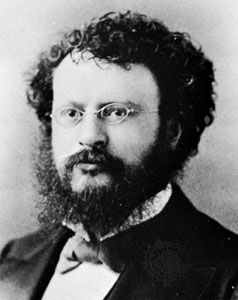
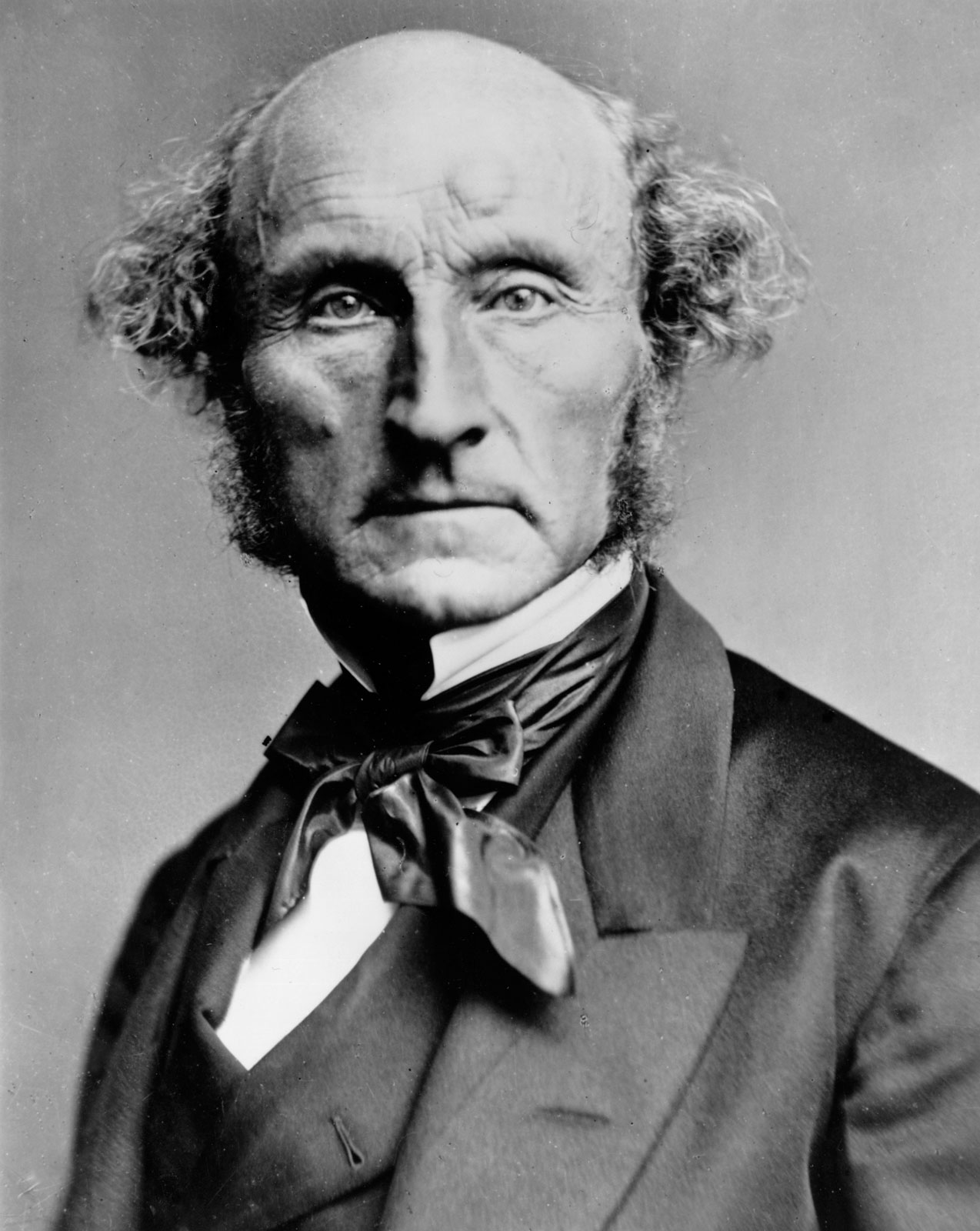
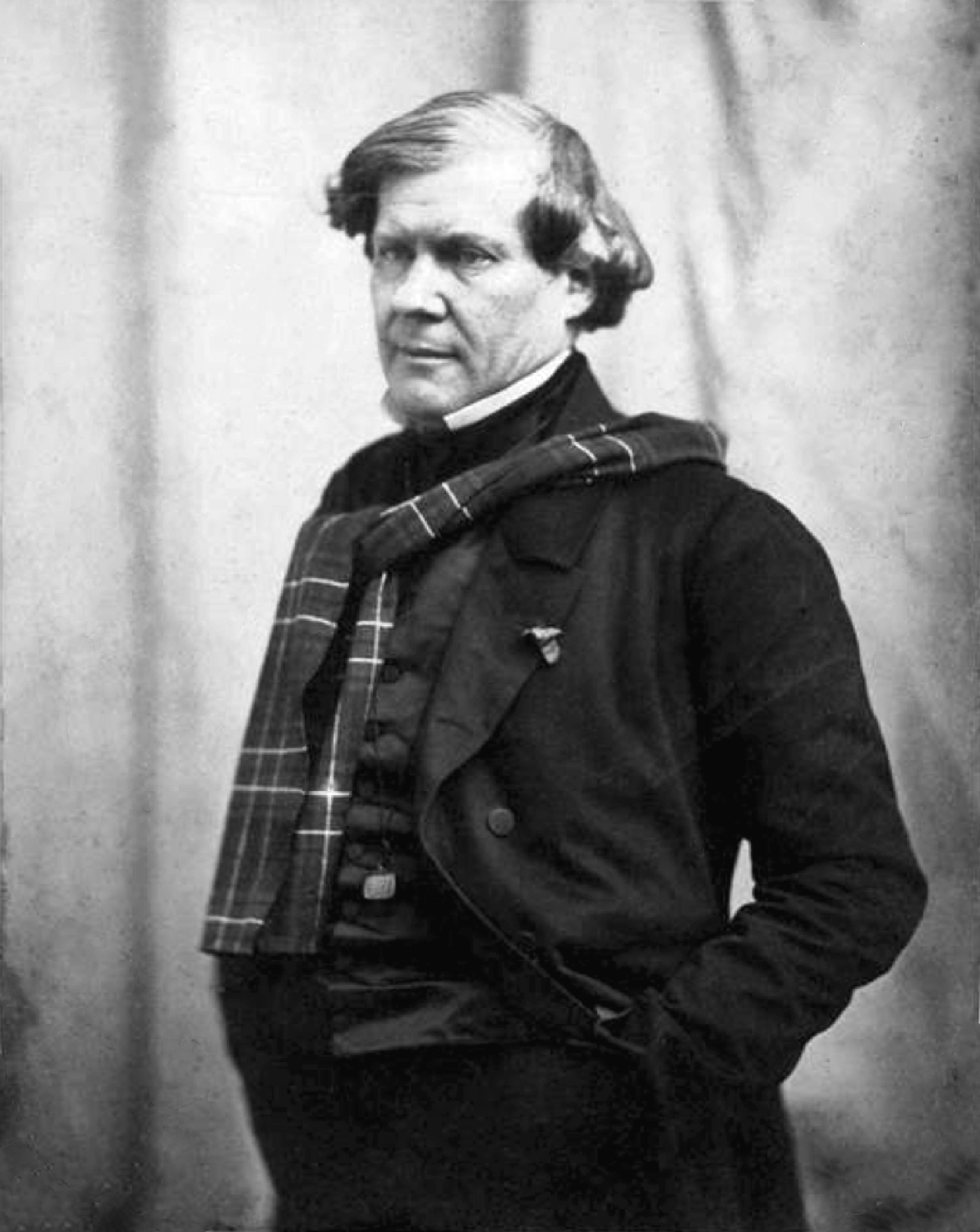
Eliphas Lévi, born Alphonse Louis Constant, was a French occultist and writer who played a pivotal role in the revival of esoteric traditions in the 19th century. His early life was marked by a tumultuous relationship with religion, leading him to explore various philosophical and mystical paths. Lévi's fascination with magic and the occult culminated in his seminal works, including 'Dogme et Rituel de la Haute Magie' (Dogma and Ritual of High Magic), where he synthesized elements of Kabbalah, alchemy, and ceremonial magic. His writings not only provided a framework for modern occultism but also influenced a wide array of thinkers and movements, including the Hermetic Order of the Golden Dawn and later figures such as Aleister Crowley. Lévi's significance lies in his ability to articulate complex metaphysical concepts in a manner that was accessible to a broader audience, bridging the gap between the mystical and the rational. His ideas on the nature of magic, the symbolism of the Tarot, and the importance of the will in spiritual practice have left a lasting legacy in both occult circles and the wider cultural landscape. Through his work, Lévi established a foundation for the modern understanding of magic as a spiritual discipline, making him a key figure in the history of Western esotericism.
Books from the author



Link to this page
Add a free, dofollow link to Lex on your blog, forum, syllabus, or reading list.

<a href="https://lex-books.com/author/liphas-lévi"><img src="https://lex-books.com/badges/read-on-lex.svg" alt="liphas Lévi on Lex" width="160" height="40"></a>[](https://lex-books.com/author/liphas-lévi)[url=https://lex-books.com/author/liphas-lévi][img]https://lex-books.com/badges/read-on-lex.svg[/img][/url]liphas Lévi on Lex: https://lex-books.com/author/liphas-lévi