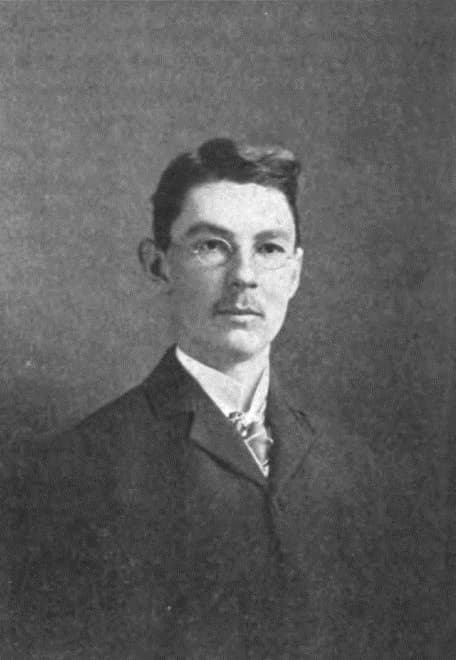
William Stearns Davis
William Stearns Davis was an influential American educator, historian, and author known for his unique approach to historical narrative. He began his literary career with short stories but soon shifted to longer forms, crafting narratives that presented history through the lens of fictional characters. This innovative technique allowed him to humanize historical events, making them more relatable and engaging for readers. His works, which include both fiction and non-fiction, were particularly impactful in educational settings during the early twentieth century, revitalizing the study of history at a time when it was often perceived as dry and unapproachable. Davis's contributions to the field of history emphasized the importance of the human experience within historical contexts, a perspective that had been largely overlooked. His writings not only enriched the academic landscape but also provided valuable resources for secondary and higher education. Today, his works continue to be found in libraries, reflecting his lasting influence on the discipline of history and literature. Through his ability to blend storytelling with scholarly insight, Davis left a significant legacy that continues to inspire both educators and students alike.
Famous Quotes
View all 2 quotes“Yet you know Solon’s saying, ‘Call no man fortunate till he is dead.”
“the tax collectors found no more money to collect because there were no more people to pay the tax.”
Books from the author

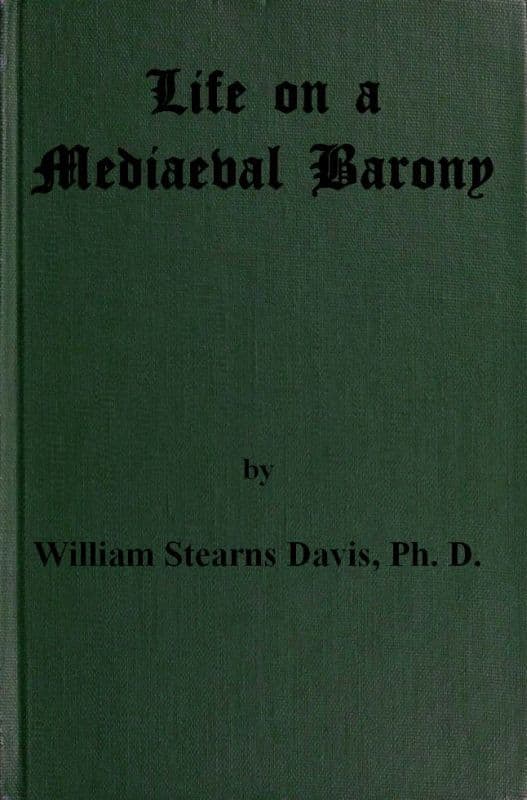

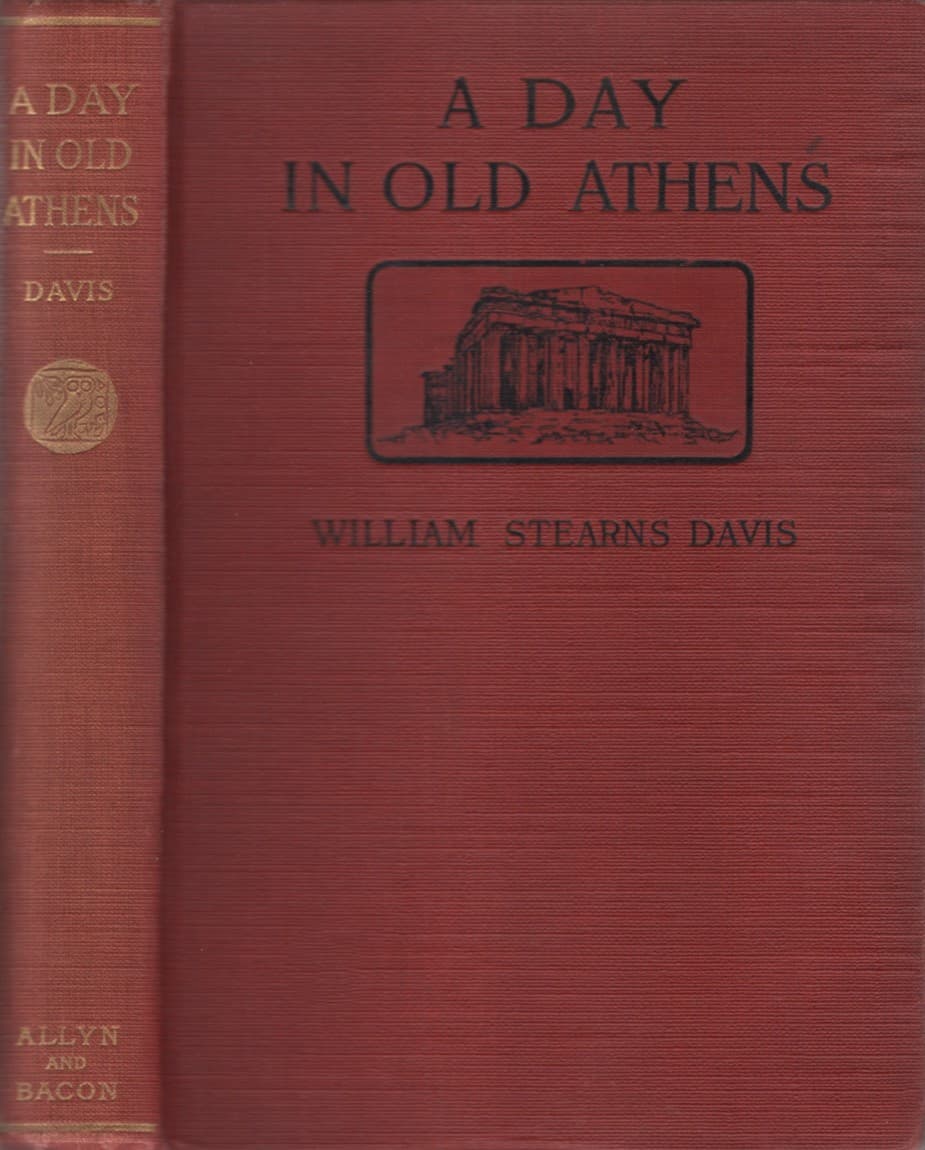
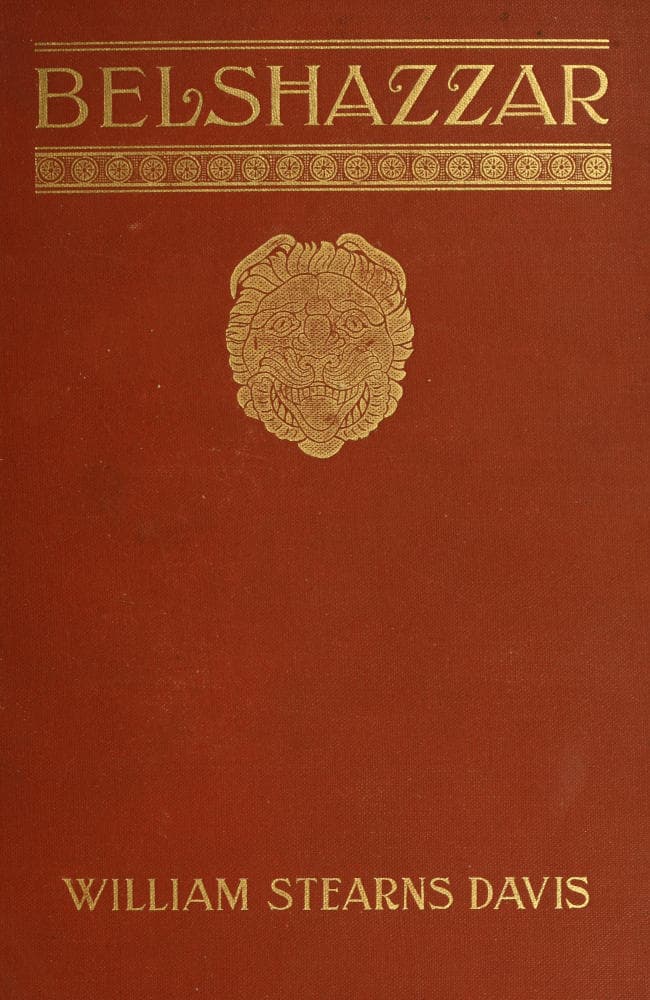


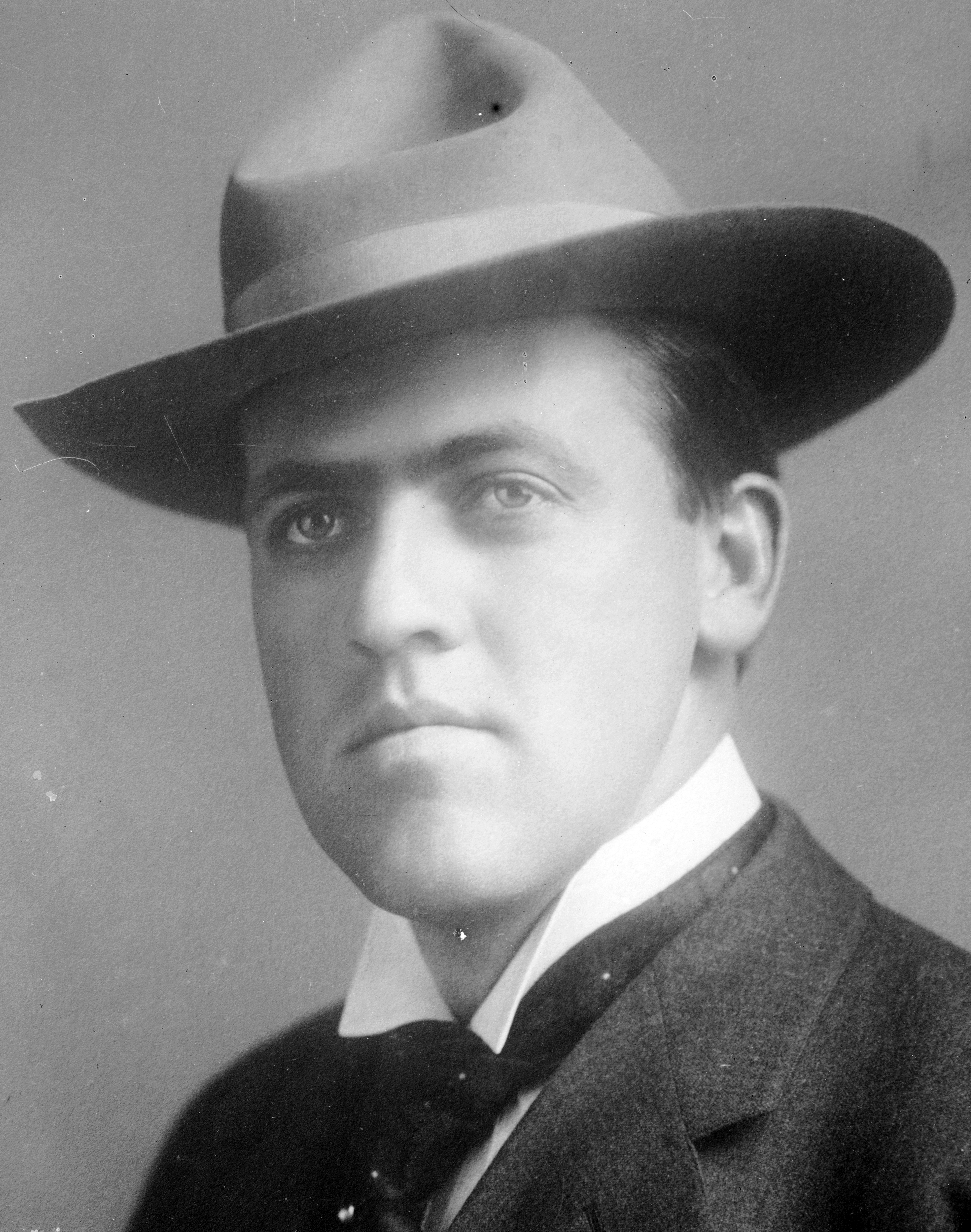
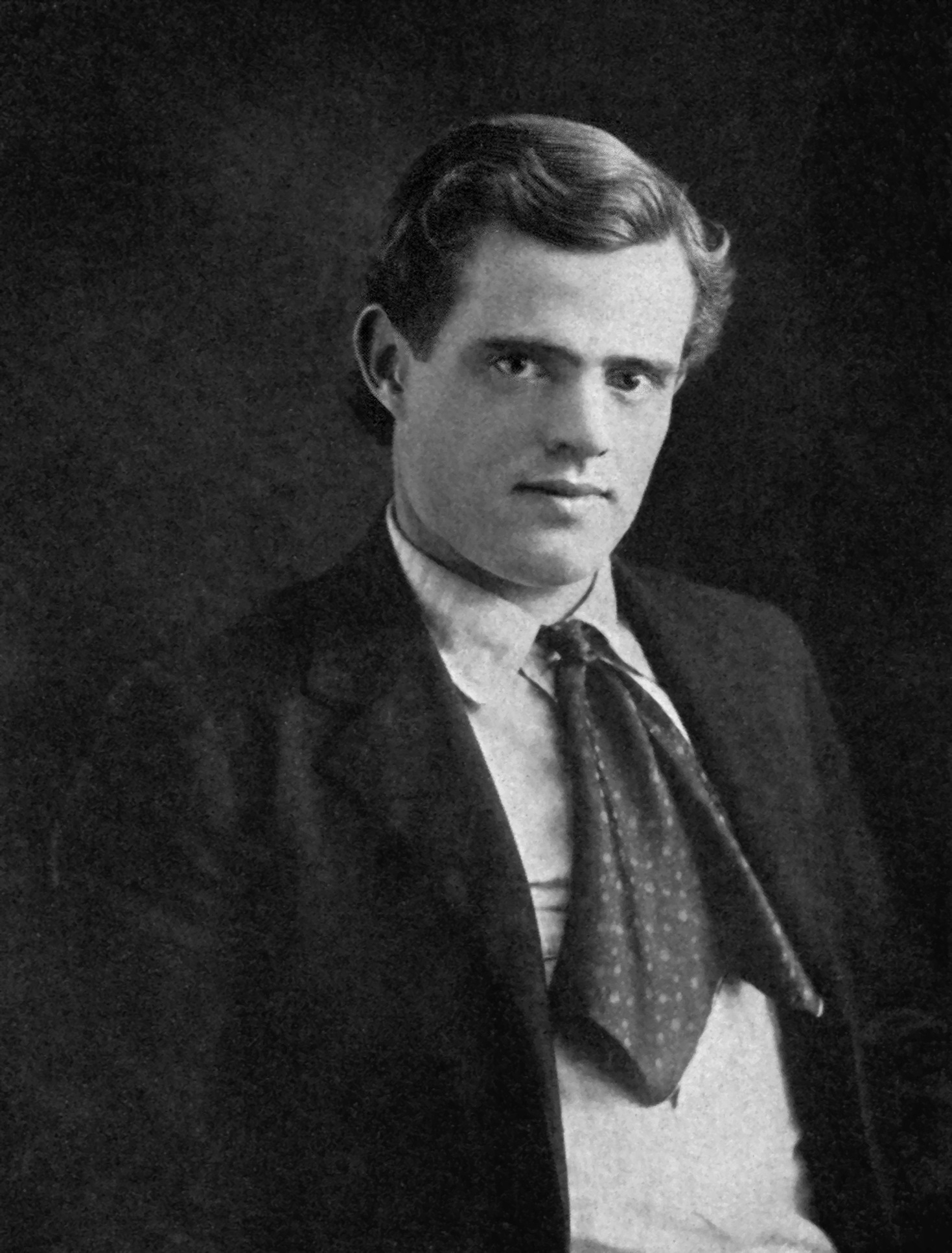

Link to this page
Add a free, dofollow link to Lex on your blog, forum, syllabus, or reading list.

<a href="https://lex-books.com/author/william-stearns-davis"><img src="https://lex-books.com/badges/read-on-lex.svg" alt="William Stearns Davis on Lex" width="160" height="40"></a>[](https://lex-books.com/author/william-stearns-davis)[url=https://lex-books.com/author/william-stearns-davis][img]https://lex-books.com/badges/read-on-lex.svg[/img][/url]William Stearns Davis on Lex: https://lex-books.com/author/william-stearns-davis