The Myths of Mexico & Peru
1615
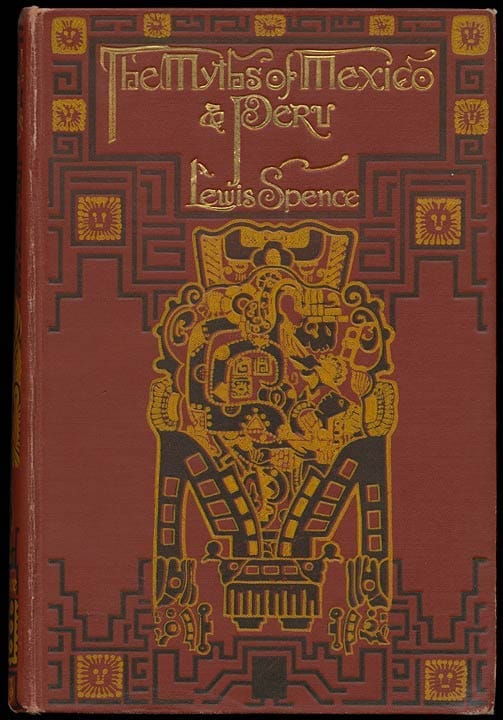
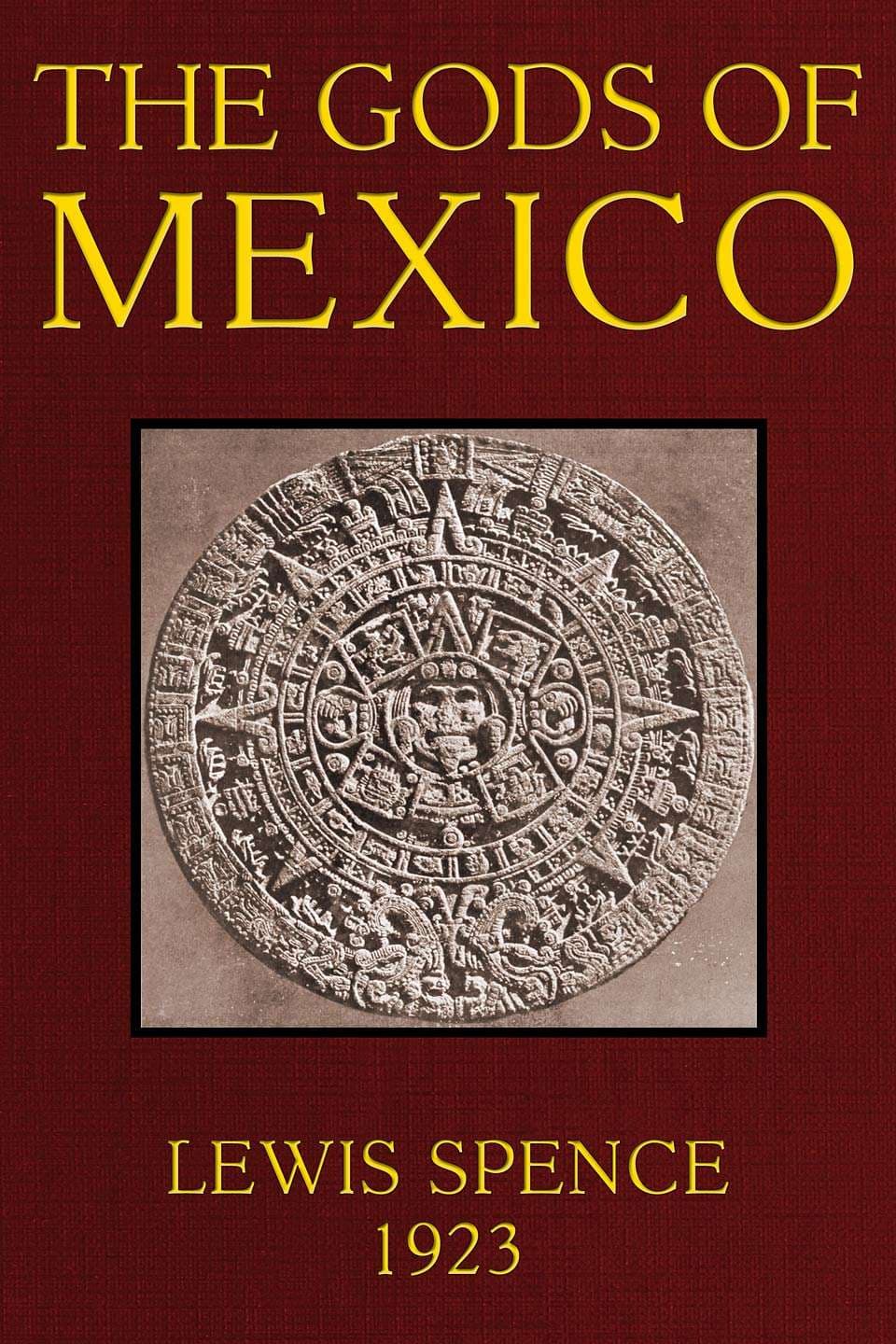
At a time when the civilizations of ancient Mexico and Peru were dismissed as primitive or forgotten, Lewis Spence assembled the first serious English-language study of their mythologies. The result reads less like a dry academic treatise and more like a passionate argument for the significance of these cultures. Spence draws on chroniclers, explorers, and the fragmentary indigenous records that survived colonization to reconstruct the great cycles of creation and destruction, the blood-soaked rituals of the Aztec gods, the cosmic hierarchies of the Maya, and the imperial mythology of the Inca. What emerges is a world where the divine bleeds into the human: Quetzalcoatl's mysterious disappearance, the five suns that underpin Aztec cosmology, the mummified kings who still rule from beyond the grave. Spence writes with evident admiration, sometimes straining against the limits of his era's sources, but his enthusiasm is infectious. This book laid groundwork for a century of archaeology that would vindicate his belief in these civilizations' sophistication.
Editions
Link to this book
Add a free, dofollow link to Lex on your blog, forum, syllabus, or reading list.

<a href="https://lex-books.com/book/the-myths-of-mexico-peru-dff4e855-bbcd-483f-96ab-21644ff28bbb"><img src="https://lex-books.com/badges/read-on-lex.svg" alt="Read The Myths of Mexico & Peru by Lewis Spence free on Lex" width="160" height="40"></a>[](https://lex-books.com/book/the-myths-of-mexico-peru-dff4e855-bbcd-483f-96ab-21644ff28bbb)[url=https://lex-books.com/book/the-myths-of-mexico-peru-dff4e855-bbcd-483f-96ab-21644ff28bbb][img]https://lex-books.com/badges/read-on-lex.svg[/img][/url]Read The Myths of Mexico & Peru by Lewis Spence free on Lex: https://lex-books.com/book/the-myths-of-mexico-peru-dff4e855-bbcd-483f-96ab-21644ff28bbbCite this book
Reading this edition for a paper or guide? Copy a citation.
Spence, Lewis. The Myths of Mexico & Peru. Lex, lex-books.com/book/the-myths-of-mexico-peru-dff4e855-bbcd-483f-96ab-21644ff28bbb.Spence, L. (1615). The Myths of Mexico & Peru. Lex. https://lex-books.com/book/the-myths-of-mexico-peru-dff4e855-bbcd-483f-96ab-21644ff28bbbSpence, Lewis. The Myths of Mexico & Peru. Lex. https://lex-books.com/book/the-myths-of-mexico-peru-dff4e855-bbcd-483f-96ab-21644ff28bbb.