The Mythologies of Ancient Mexico and Peru
1907
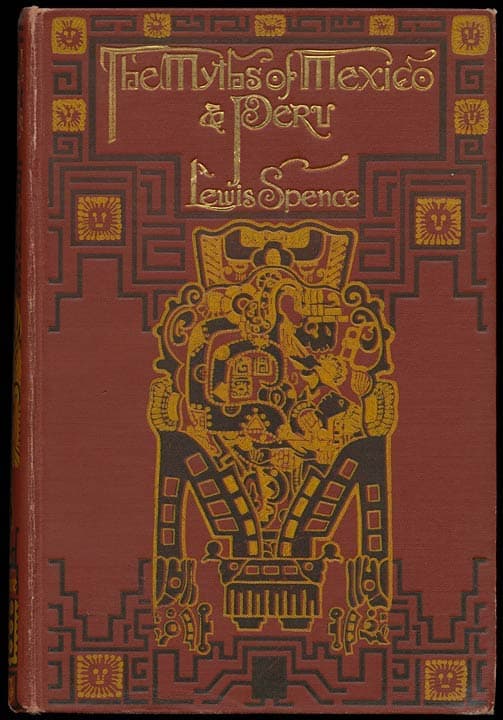
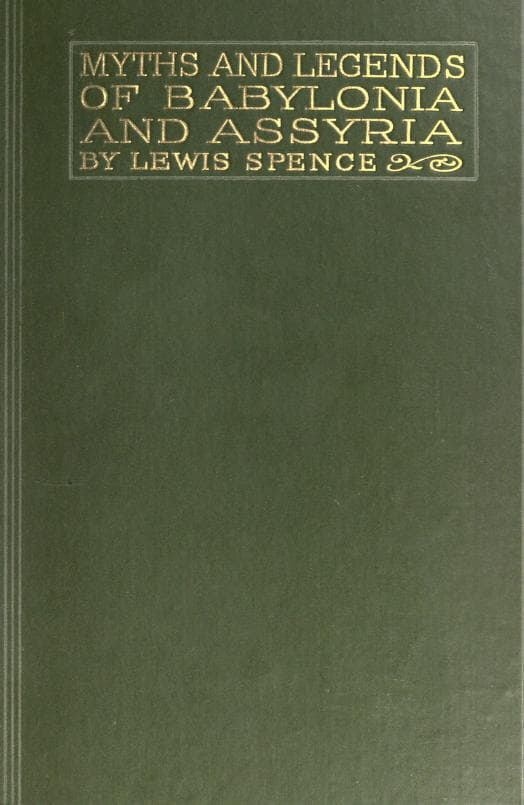
The Mythologies of Ancient Mexico and Peru, written by Lewis Spence and first published in 1907, examines the rich mythological traditions of pre-Columbian civilizations in Mexico and Peru. Spence details the origins, deities, and rituals of these cultures, emphasizing their significance alongside other ancient mythologies such as those of Egypt and Greece. The book explores key figures like Huitzilopochtli and Quetzalcoatl, and highlights the indigenous nature of these belief systems, offering insights into their social structures and religious practices.
Editions
X-Ray
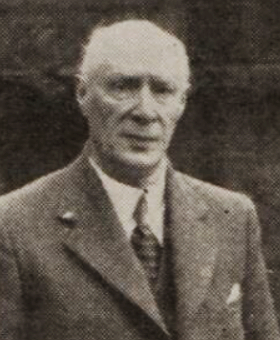
The author and scholar who presents this comprehensive study of ancient American mythologies. He serves as the analytical voice throughout, interpreting and explaining the religious systems of Mexico and Peru.
The principal tribal war deity of the Aztecs, whose name means 'Humming-bird on the left.' Originally a totemic god who became conflated with solar worship, representing the militaristic nature of Aztec society.
The 'Shining Mirror' god of the Aztecs, representing the cold season and justice. Originally possibly an ice or wind demon, he became the god whose mirror reflected human thoughts and actions.
The 'Feathered Serpent' god representing culture and civilization, opposed to the barbaric practices of the Aztec newcomers. A pre-Aztec deity whose worship was more humane and advanced.
About The Mythologies of Ancient Mexico and Peru
Chapter Summaries
- 1
- Spence establishes that American religions must be understood as indigenous developments, arguing against foreign influence theories. He traces the geological and anthropological evidence for early human settlement and the development of the Red Man type from Proto-European and Proto-Mongolian ancestors.
- 2
- A comprehensive survey of Aztec civilization and its pantheon, focusing on major deities like Huitzilopochtli, Tezcatlipoca, and Quetzalcoatl. Spence analyzes their totemic origins and solar connections, showing how the Aztec system blended warrior culture with inherited religious traditions.
- 3
- Detailed examination of Aztec religious organization, education, and ceremonial practices. Spence describes the powerful priestly caste, temple architecture, and the horrific scale of human sacrifice, while noting the moral paradoxes of Aztec society.
Key Themes
- Indigenous vs. Foreign Origins
- Spence argues forcefully that American mythologies developed independently, rejecting theories of Asiatic or European influence. This theme runs throughout as he demonstrates the unique, indigenous character of New World religions.
- Solar Worship as Unifying Element
- Both Mexican and Peruvian religions center around sun worship, with most major deities representing aspects or attributes of the solar deity. This provides the organizing principle for understanding these complex pantheons.
- Totemic vs. Naturalistic Origins
- Spence distinguishes between Mexican gods with totemic origins (like Huitzilopochtli from the humming-bird) and Peruvian deities with naturalistic origins (like Viracocha from water worship), showing different evolutionary paths.
Characters
- Lewis Spence(protagonist)
- The author and scholar who presents this comprehensive study of ancient American mythologies. He serves as the analytical voice throughout, interpreting and explaining the religious systems of Mexico and Peru.
- Huitzilopochtli(major)
- The principal tribal war deity of the Aztecs, whose name means 'Humming-bird on the left.' Originally a totemic god who became conflated with solar worship, representing the militaristic nature of Aztec society.
- Tezcatlipoca(major)
- The 'Shining Mirror' god of the Aztecs, representing the cold season and justice. Originally possibly an ice or wind demon, he became the god whose mirror reflected human thoughts and actions.
- Quetzalcoatl(major)
- The 'Feathered Serpent' god representing culture and civilization, opposed to the barbaric practices of the Aztec newcomers. A pre-Aztec deity whose worship was more humane and advanced.
- Tlaloc(major)
- The rain god of the Aztecs, 'the nourisher' who controlled fertility and weather. Demanded child sacrifices and was feared for his cruel requirements during droughts.
- Viracocha(major)
- The 'Foam of the Water' god of the Peruvians, a creator deity who emerged from Lake Titicaca. Represented an older faith that preceded the solar worship of the Incas.
Link to this book
Add a free, dofollow link to Lex on your blog, forum, syllabus, or reading list.

<a href="https://lex-books.com/book/the-mythologies-of-ancient-mexico-and-peru-0248a2bd-20f0-421f-901d-bfc8ed180b9d"><img src="https://lex-books.com/badges/read-on-lex.svg" alt="Read The Mythologies of Ancient Mexico and Peru by Lewis Spence free on Lex" width="160" height="40"></a>[](https://lex-books.com/book/the-mythologies-of-ancient-mexico-and-peru-0248a2bd-20f0-421f-901d-bfc8ed180b9d)[url=https://lex-books.com/book/the-mythologies-of-ancient-mexico-and-peru-0248a2bd-20f0-421f-901d-bfc8ed180b9d][img]https://lex-books.com/badges/read-on-lex.svg[/img][/url]Read The Mythologies of Ancient Mexico and Peru by Lewis Spence free on Lex: https://lex-books.com/book/the-mythologies-of-ancient-mexico-and-peru-0248a2bd-20f0-421f-901d-bfc8ed180b9dCite this book
Reading this edition for a paper or guide? Copy a citation.
Spence, Lewis. The Mythologies of Ancient Mexico and Peru. Lex, lex-books.com/book/the-mythologies-of-ancient-mexico-and-peru-0248a2bd-20f0-421f-901d-bfc8ed180b9d.Spence, L. (1907). The Mythologies of Ancient Mexico and Peru. Lex. https://lex-books.com/book/the-mythologies-of-ancient-mexico-and-peru-0248a2bd-20f0-421f-901d-bfc8ed180b9dSpence, Lewis. The Mythologies of Ancient Mexico and Peru. Lex. https://lex-books.com/book/the-mythologies-of-ancient-mexico-and-peru-0248a2bd-20f0-421f-901d-bfc8ed180b9d.