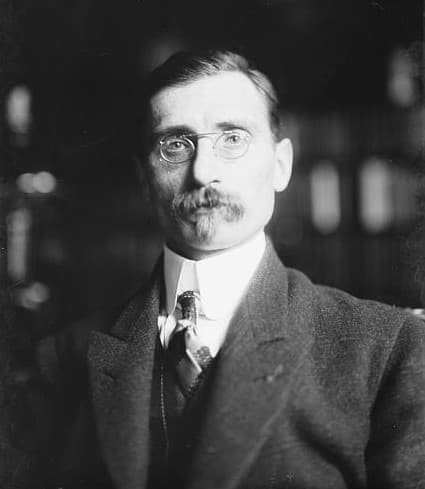
Guglielmo Ferrero
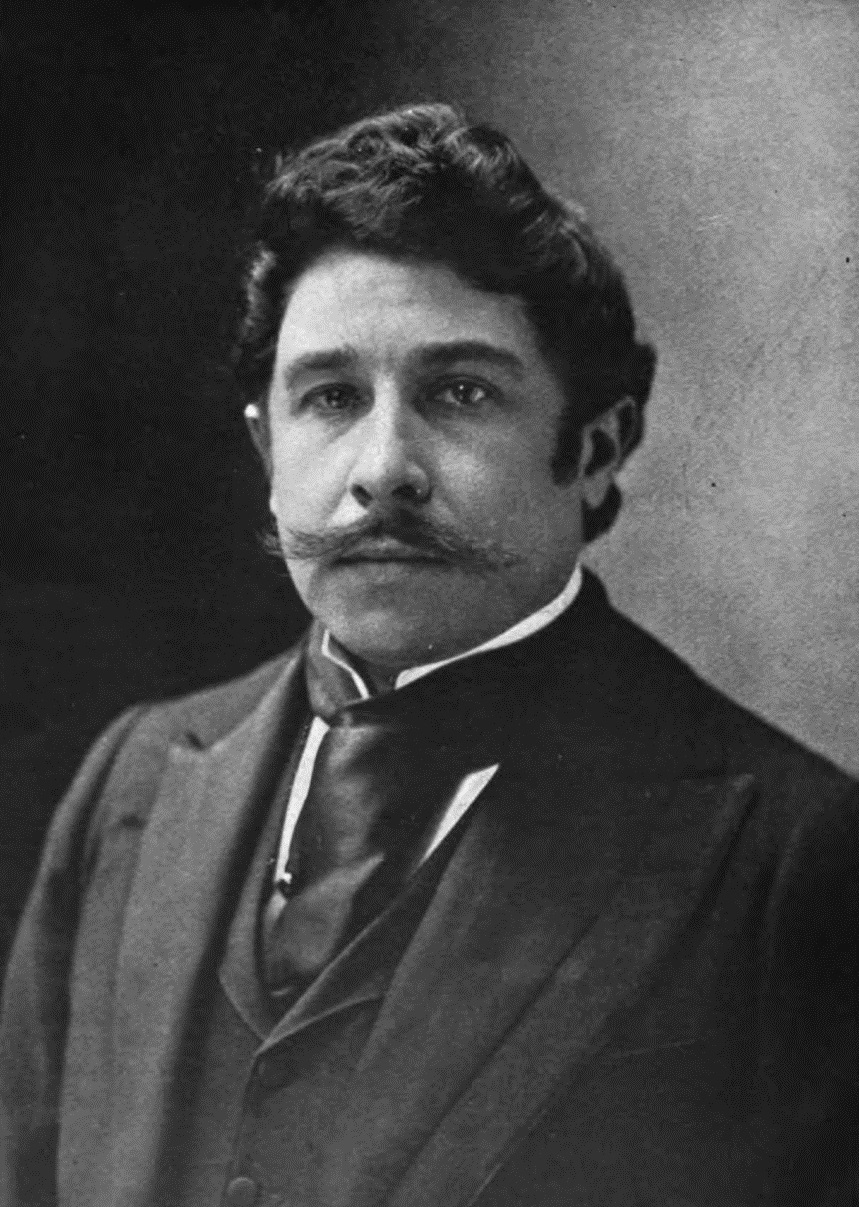
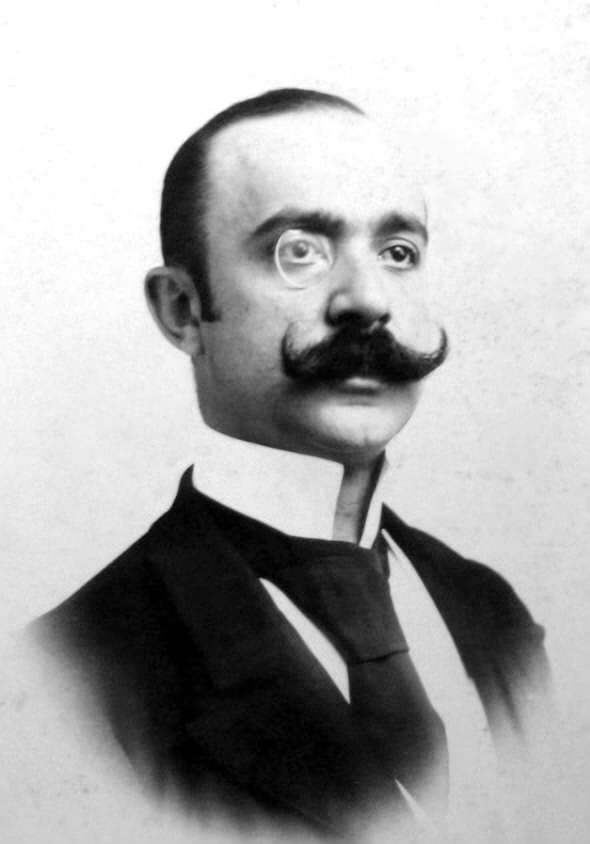
Guglielmo Ferrero was an influential Italian historian, journalist, and novelist known for his extensive works on Roman history and political philosophy. His most notable work, "The Greatness and Decline of Rome," published in five volumes between 1907 and 1909, offered a comprehensive analysis of the Roman Empire's rise and fall, blending historical narrative with insights into the socio-political dynamics of the time. Ferrero's writings reflected his commitment to classical liberalism, as he consistently opposed dictatorship and advocated for limited government, making him a significant voice in early 20th-century political thought. In addition to his historical analyses, Ferrero authored "The Gamble: Bonaparte in Italy, 1796-1797," which explored Napoleon Bonaparte's military campaigns in Italy. His works not only contributed to the understanding of historical events but also engaged with contemporary political issues, positioning him as a critical thinker of his era. Ferrero's legacy endures through his scholarly contributions and his unwavering stance against authoritarianism, influencing both historians and political theorists in the years that followed.
Famous Quotes
View all 3 quotes“...úgy áll ugyanis a dolog, hogy az erővel való visszaélés nemcsak a szerencsétlen áldozatot tölti el félelemmel, hanem még inkább azt is, aki a visszaélést elköveti.”
“Az egymásnak ellentmondó igazságok, melyeket a szkepticizmus szembeállít egymással, hogy ezzel azt bizonyítsa, hogy nincs igazság, valójában az egyetlen igazság darabjai; ez az igazság azonban túl összetett ahhoz, hogy az emberi értelem teljes egészében megragadja. A történelem gyengesége igazából az, hogy azok az igazságtöredékek, melyeket megérthet, rendszerint külön állnak, s érdekek, indulatok torzítják őket.”
“He who wishes to preserve, often destroys, so that virtue seems vice, and vice seems virtue.”
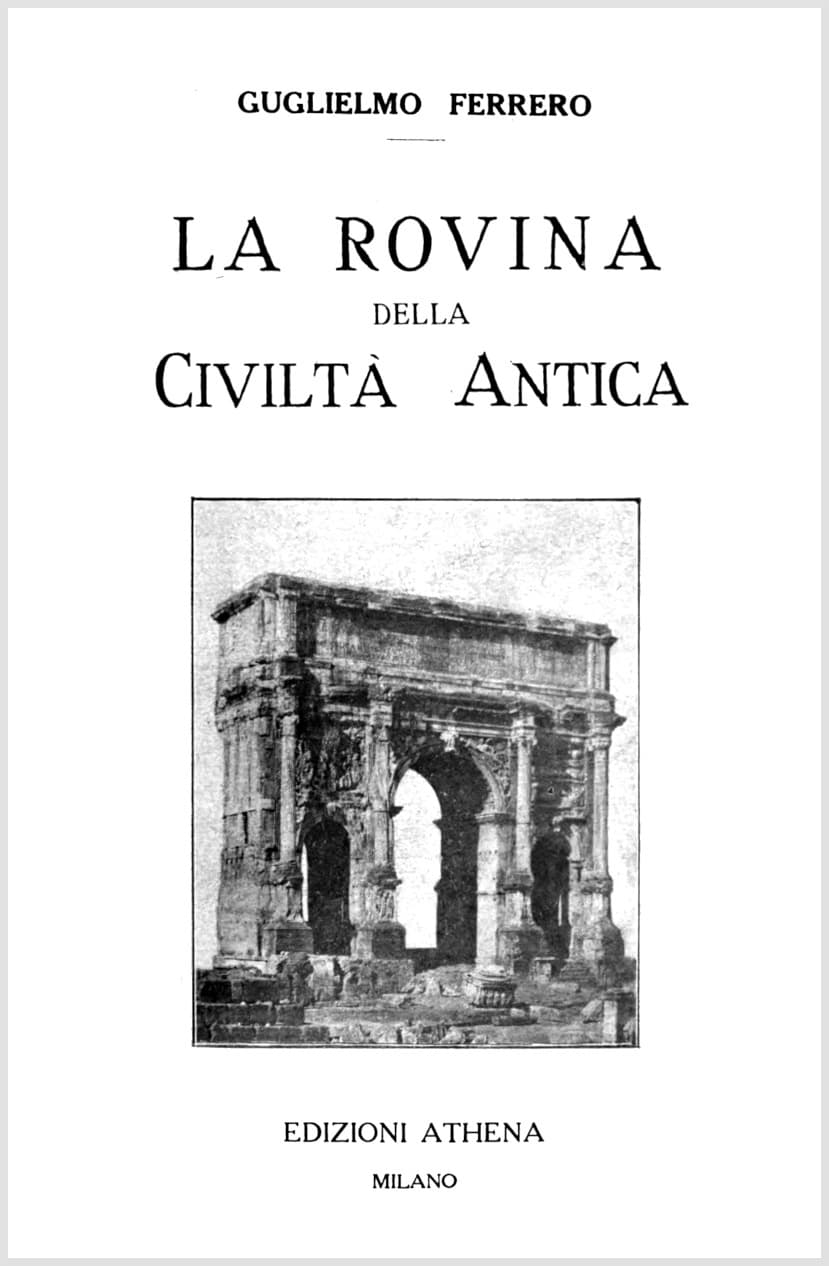
Books from the author













Link to this page
Add a free, dofollow link to Lex on your blog, forum, syllabus, or reading list.

<a href="https://lex-books.com/author/guglielmo-ferrero"><img src="https://lex-books.com/badges/read-on-lex.svg" alt="Guglielmo Ferrero on Lex" width="160" height="40"></a>[](https://lex-books.com/author/guglielmo-ferrero)[url=https://lex-books.com/author/guglielmo-ferrero][img]https://lex-books.com/badges/read-on-lex.svg[/img][/url]Guglielmo Ferrero on Lex: https://lex-books.com/author/guglielmo-ferrero