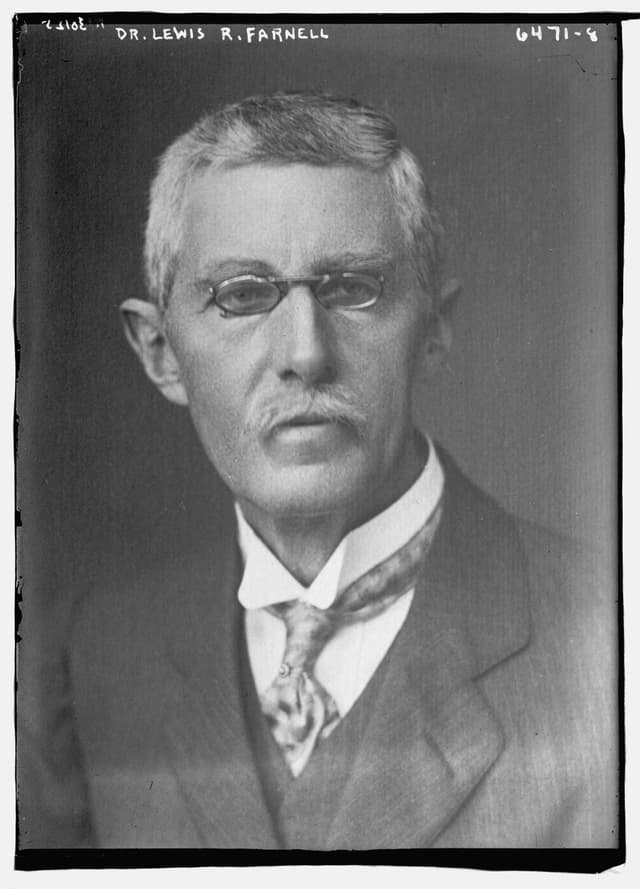
Lewis Richard Farnell
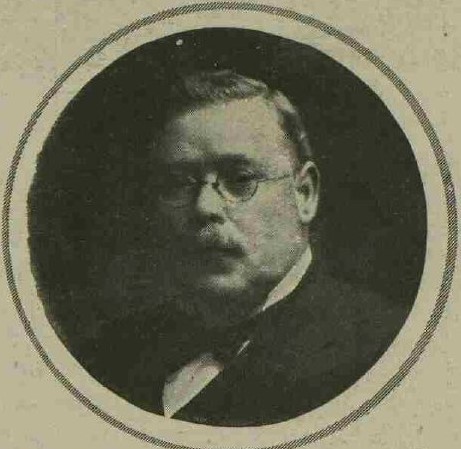
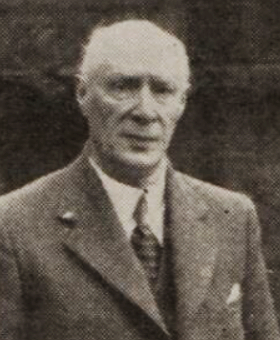
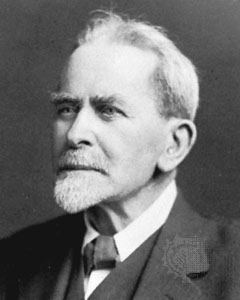
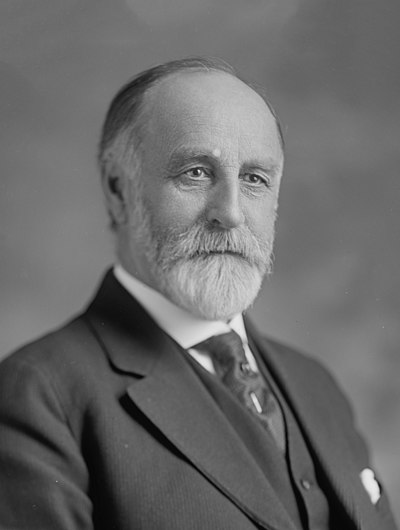
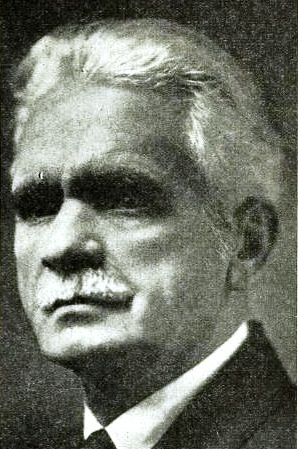
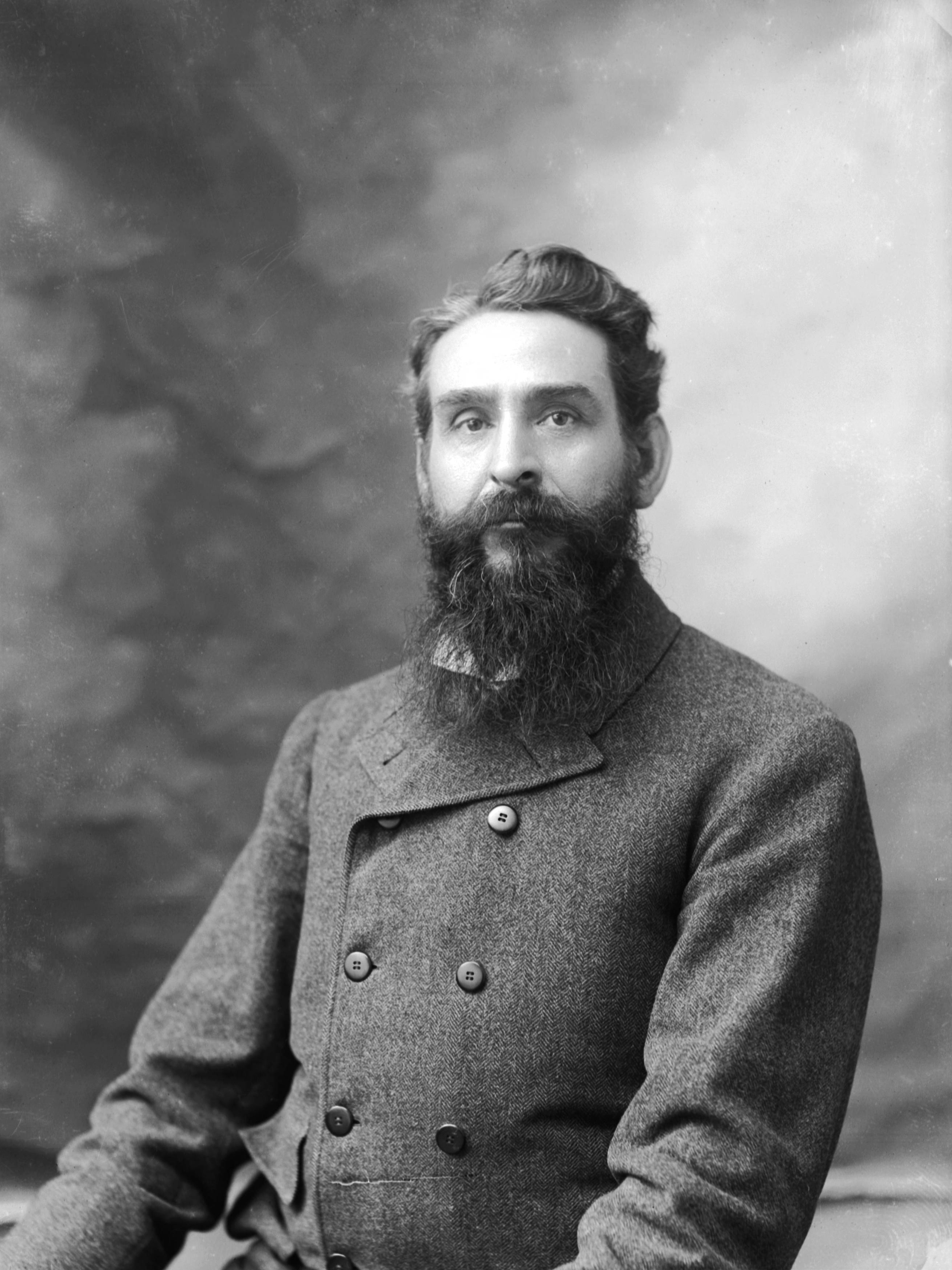
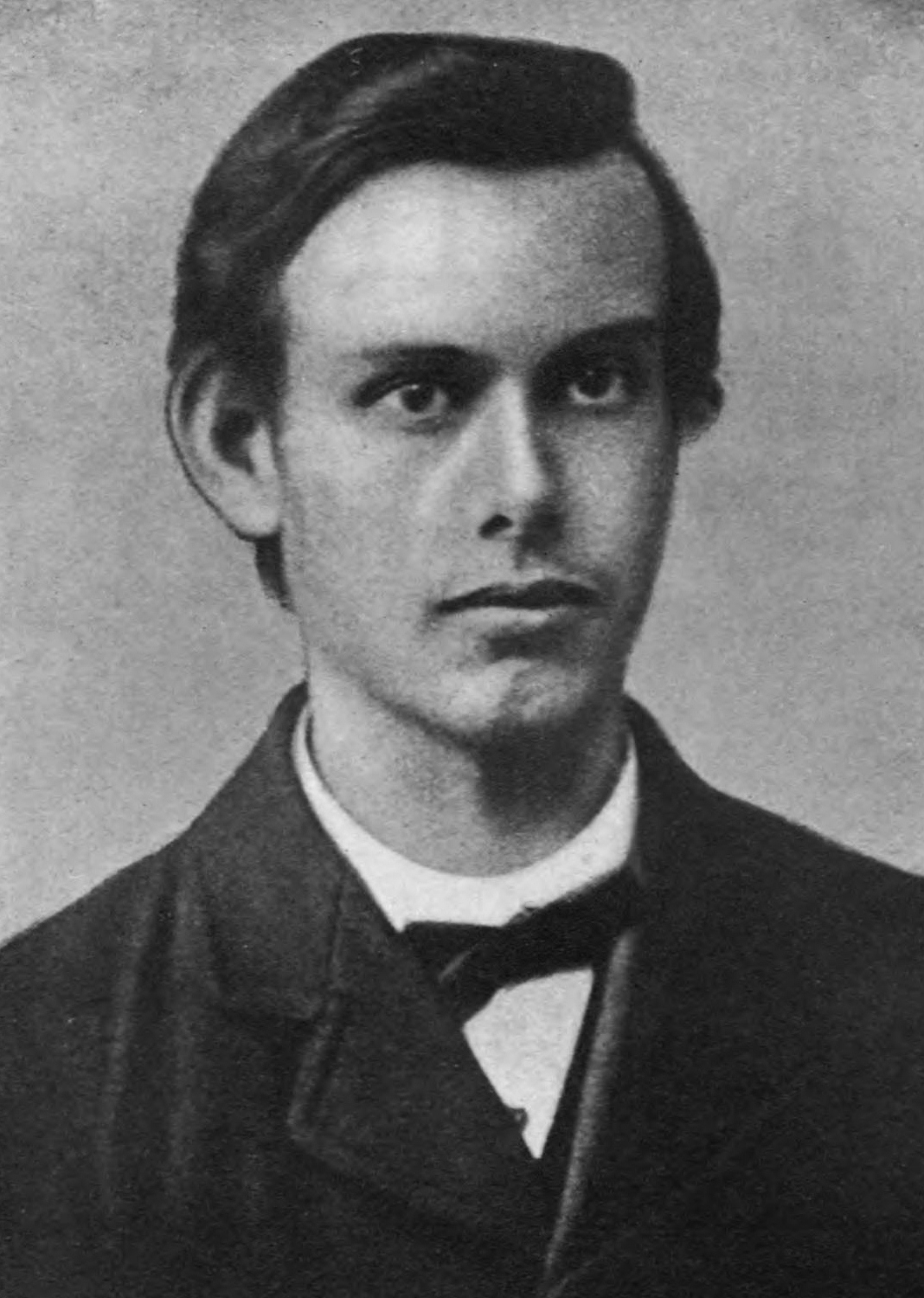
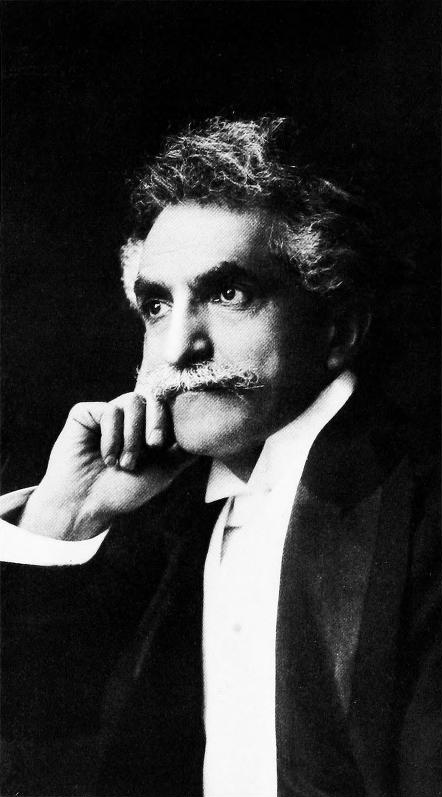
Lewis Richard Farnell was a distinguished classical scholar and an influential figure in the academic landscape of early 20th-century Britain. He dedicated much of his career to the study of ancient Greek religion and philosophy, contributing significantly to the understanding of these subjects through his extensive research and publications. Farnell's most notable works include 'The Cults of the Greek States,' a comprehensive examination of the religious practices in ancient Greece, and 'Greek Hero Cults and Ideas of Immortality,' which explored the intersection of hero worship and notions of afterlife in Greek culture. His scholarship was characterized by a meticulous approach to historical texts and a deep appreciation for the cultural contexts of ancient civilizations. In addition to his scholarly contributions, Farnell held various academic positions at the University of Oxford, culminating in his role as vice-chancellor from 1920 to 1923. His leadership during this period was marked by efforts to advance the university's academic standards and expand its influence. Farnell's legacy endures through his writings and the impact he had on the field of classical studies, inspiring future generations of scholars to explore the complexities of ancient Greek thought and religion.
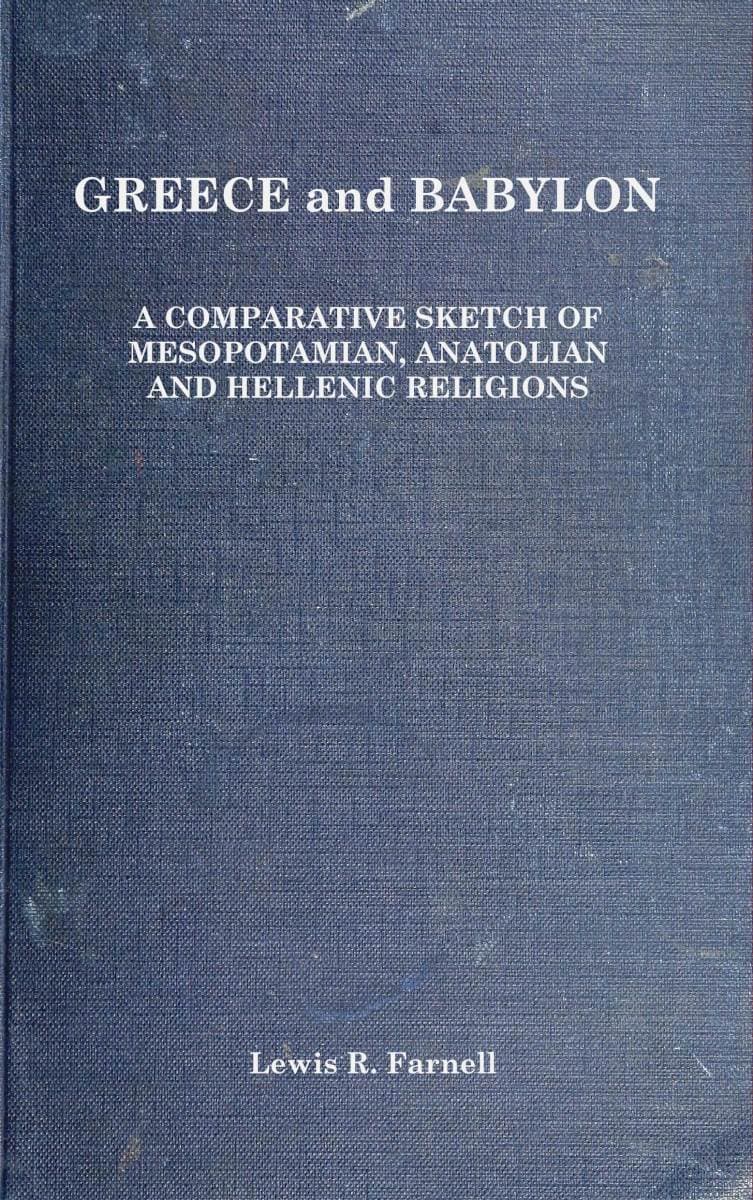
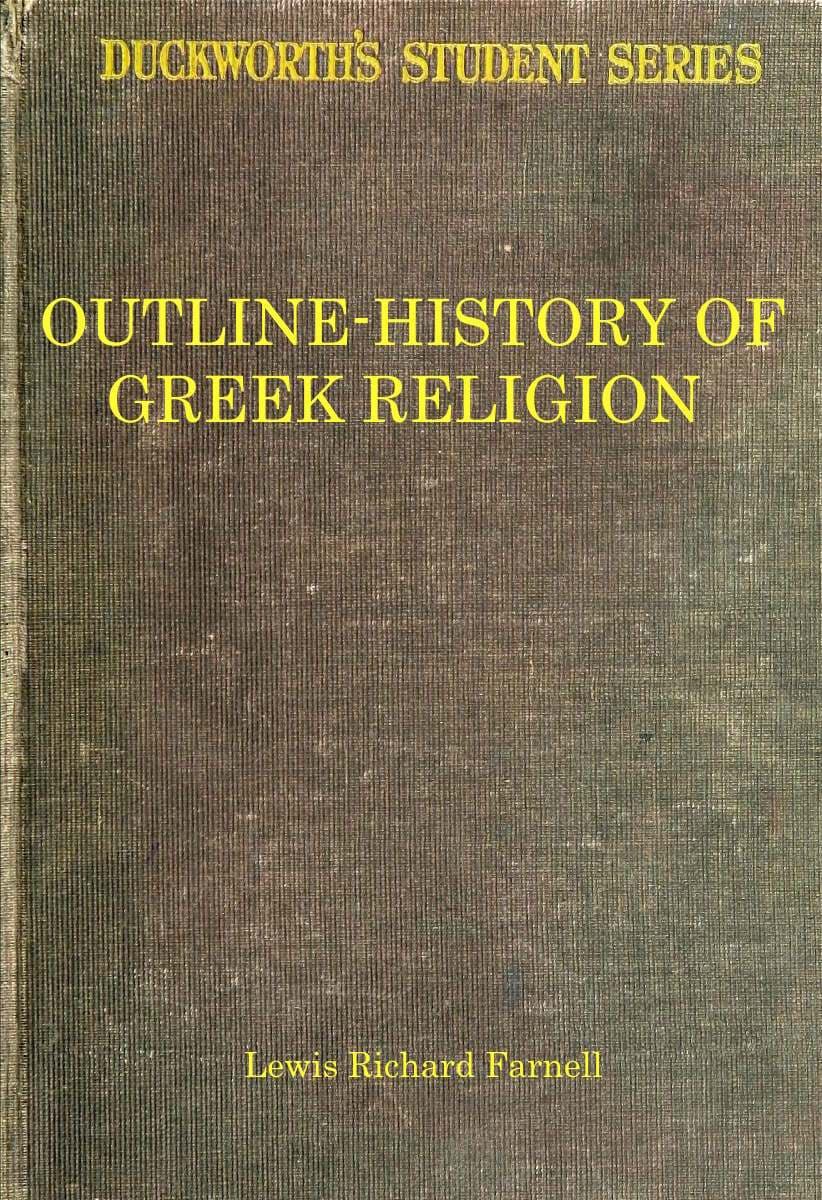
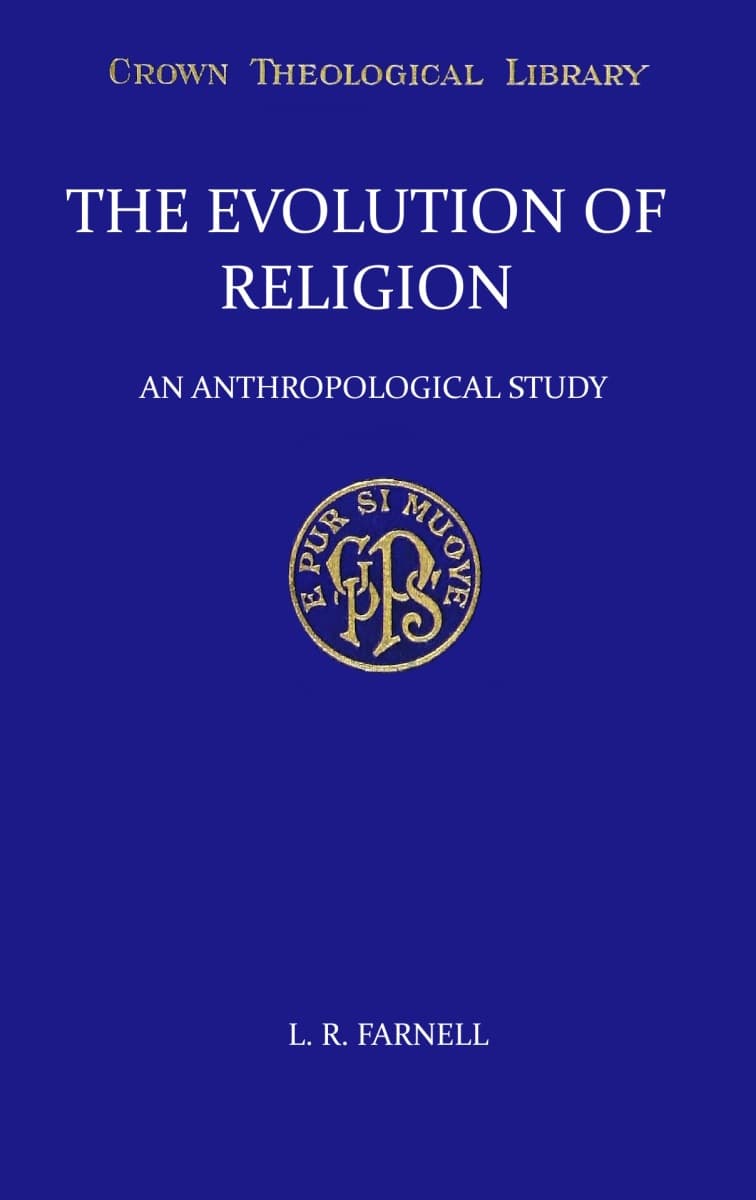
Books from the author

Link to this page
Add a free, dofollow link to Lex on your blog, forum, syllabus, or reading list.

<a href="https://lex-books.com/author/lewis-richard-farnell"><img src="https://lex-books.com/badges/read-on-lex.svg" alt="Lewis Richard Farnell on Lex" width="160" height="40"></a>[](https://lex-books.com/author/lewis-richard-farnell)[url=https://lex-books.com/author/lewis-richard-farnell][img]https://lex-books.com/badges/read-on-lex.svg[/img][/url]Lewis Richard Farnell on Lex: https://lex-books.com/author/lewis-richard-farnell