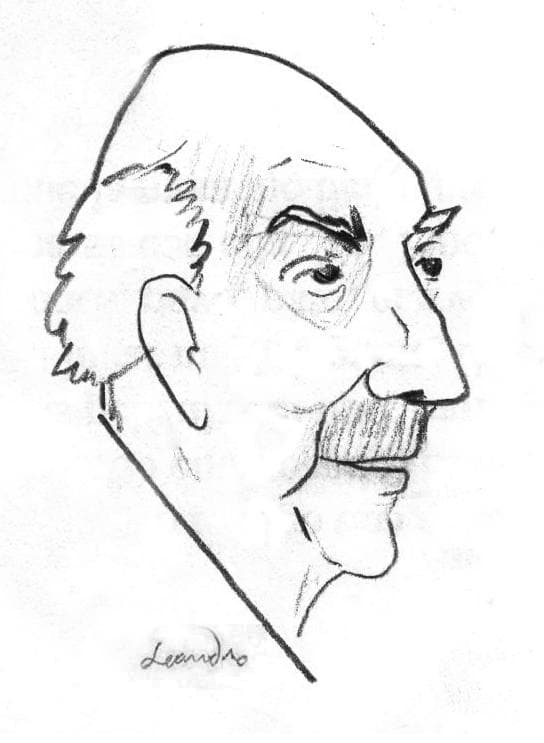
Lewis Mumford
Lewis Mumford was an influential American historian, sociologist, and philosopher of technology, renowned for his extensive writings on urbanism and the impact of technology on society. His work spanned several disciplines, including social philosophy and cultural history, where he critically examined the relationship between human beings and their environments. Mumford's insights into cities and urban architecture were particularly significant, as he advocated for a more humane and sustainable approach to urban planning, often contrasting the mechanization of modern life with the need for organic community development. Among his notable works are "The City in History," which explores the evolution of urban spaces and their social implications, and "Technics and Civilization," where he critiques technological advancement and its effects on human values. Mumford's ideas were shaped by his interactions with prominent contemporaries such as Frank Lloyd Wright and Patrick Geddes, and his legacy endures through his profound influence on urban studies and environmental philosophy. His critiques of industrial society and advocacy for a balanced relationship between technology and humanity continue to resonate in contemporary discussions about urban development and sustainability.
Famous Quotes
View all 3 quotes“A day spent without the sight or sound of beauty, the contemplation of mystery, or the search of truth is a poverty-stricken day; and a succession of such days is fatal to human life.”
“This metropolitan world, then, is a world where flesh and blood is less real than paper and ink and celluloid. It is a world where the great masses of people, unable to have direct contact with more satisfying means of living, take life vicariously, as readers, spectators, passive observers: a world where people watch shadow-heroes and heroines in order to forget their own clumsiness or coldness in love, where they behold brutal men crushing out life in a strike riot, a wrestling ring or a military assault, while they lack the nerve even to resist the petty tyranny of their immediate boss: where they hysterically cheer the flag of their political state, and in their neighborhood, their trades union, their church, fail to perform the most elementary duties of citizenship. Living thus, year in and year out, at second hand, remote from the nature that is outside them and no less remote from the nature within, handicapped as lovers and as parents by the routine of the metropolis and by the constant specter of insecurity and death that hovers over its bold towers and shadowed streets - living thus the mass of inhabitants remain in a state bordering on the pathological. They become victims of phantasms, fears, obsessions, which bind them to ancestral patterns of behavior.”
“Humor is our way of defending ourselves from life's absurdities by thinking absurdly about them.”
Books from the author


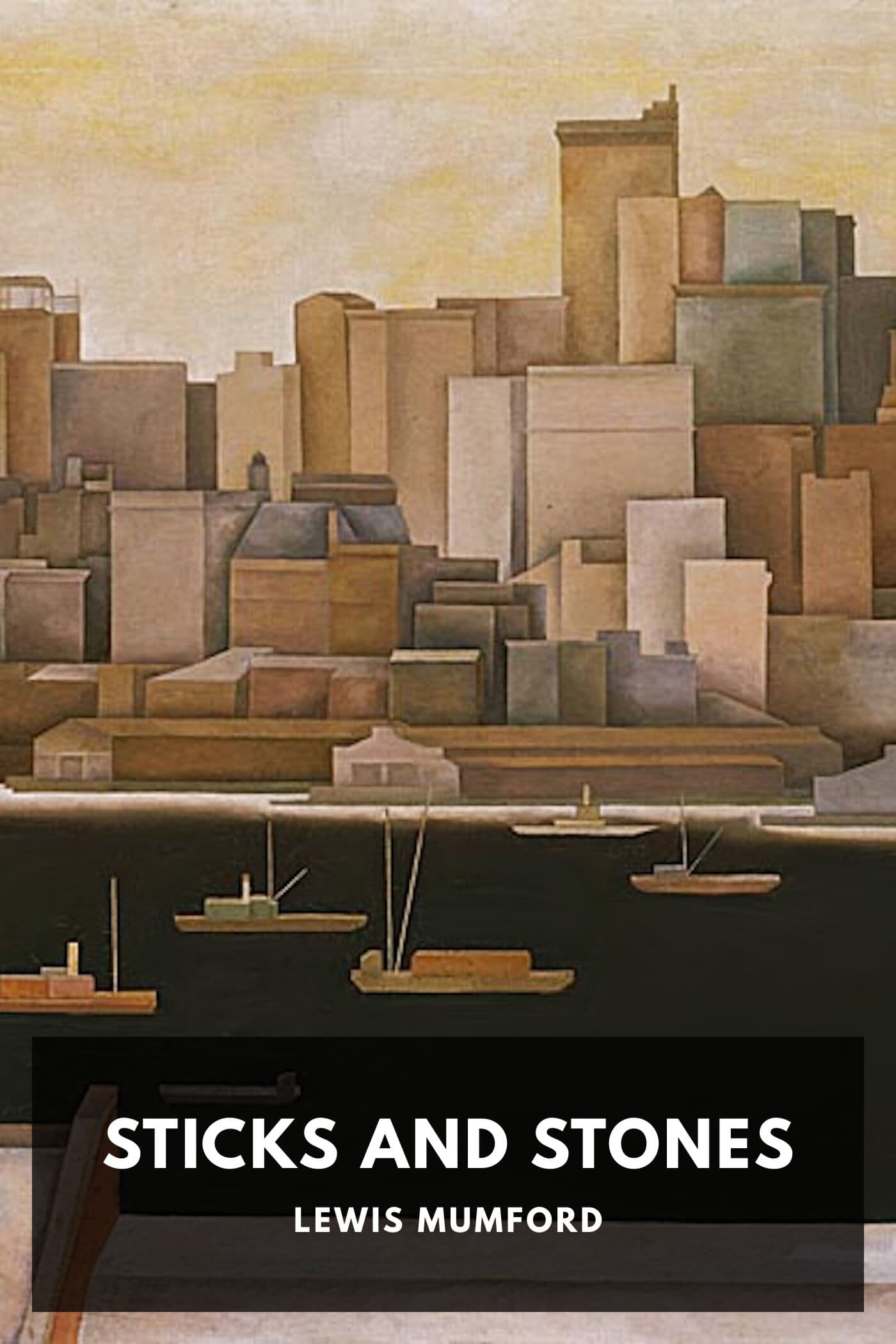
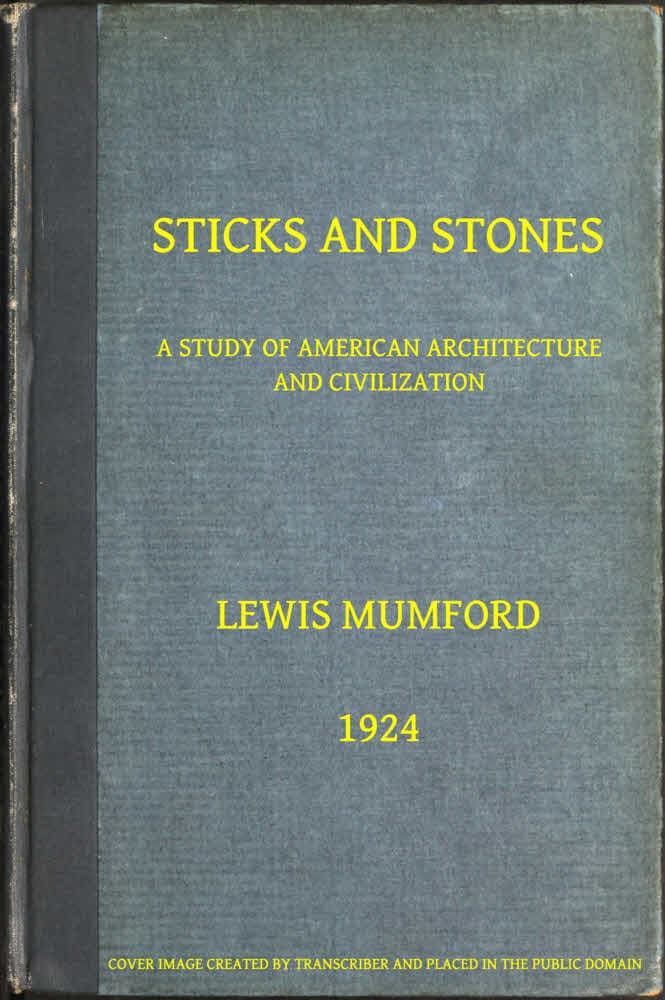



Link to this page
Add a free, dofollow link to Lex on your blog, forum, syllabus, or reading list.

<a href="https://lex-books.com/author/lewis-mumford"><img src="https://lex-books.com/badges/read-on-lex.svg" alt="Lewis Mumford on Lex" width="160" height="40"></a>[](https://lex-books.com/author/lewis-mumford)[url=https://lex-books.com/author/lewis-mumford][img]https://lex-books.com/badges/read-on-lex.svg[/img][/url]Lewis Mumford on Lex: https://lex-books.com/author/lewis-mumford