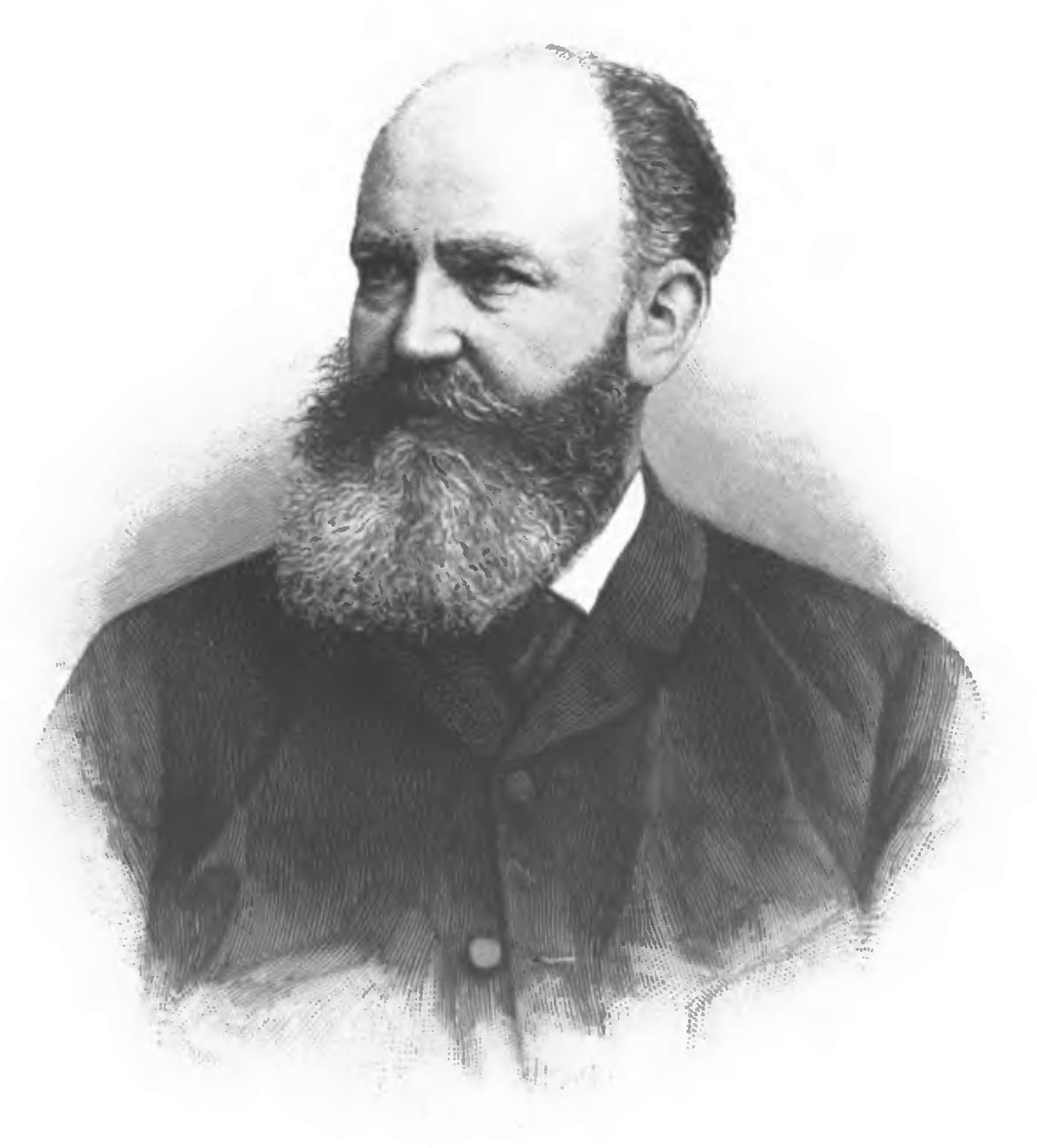
Leopold Loewenfeld
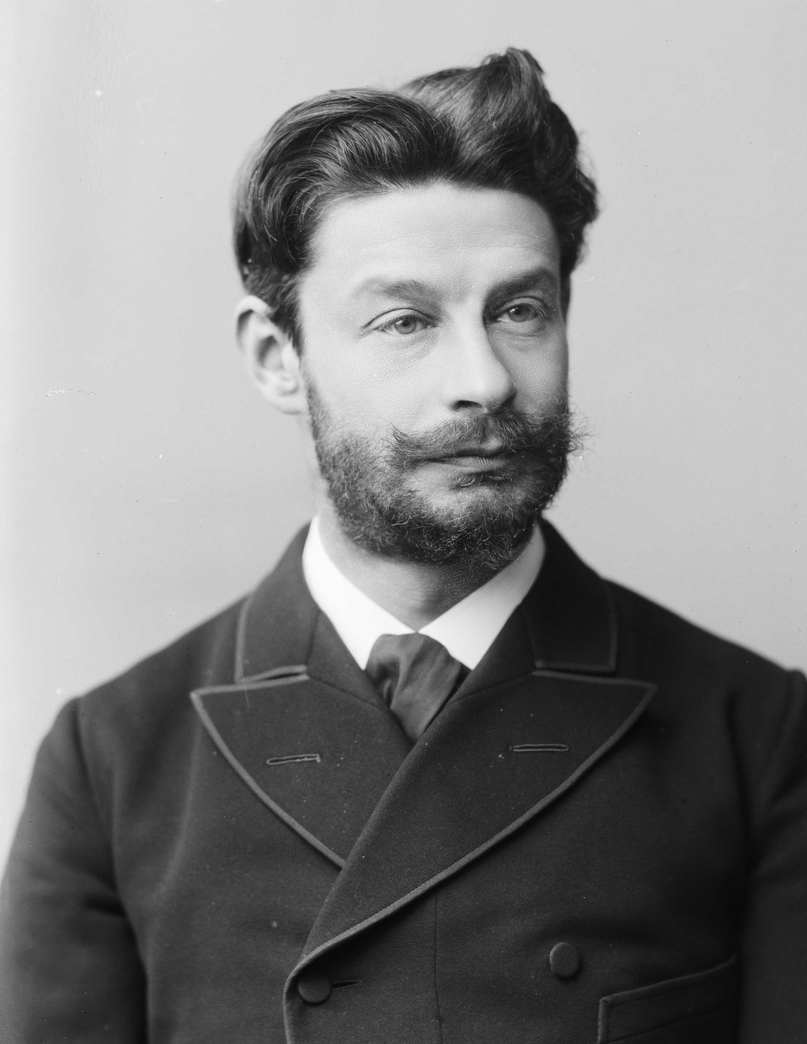
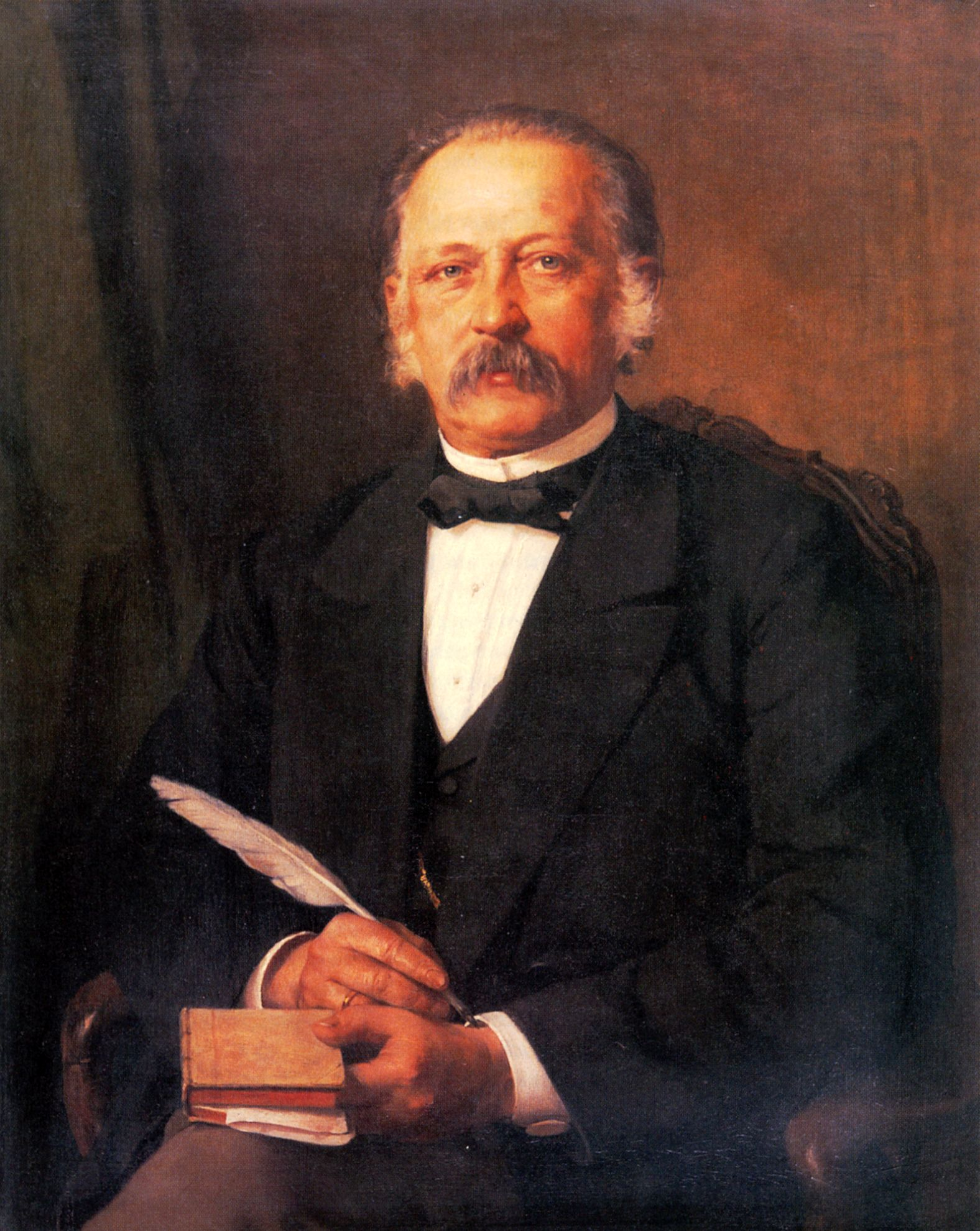
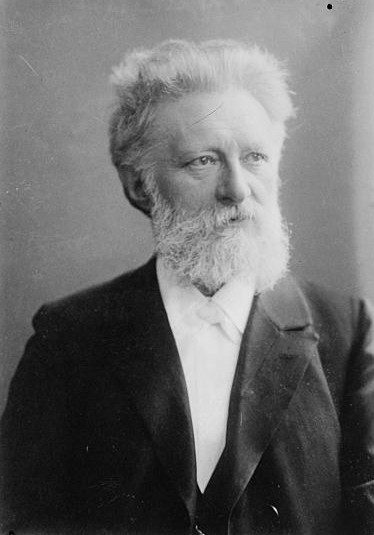
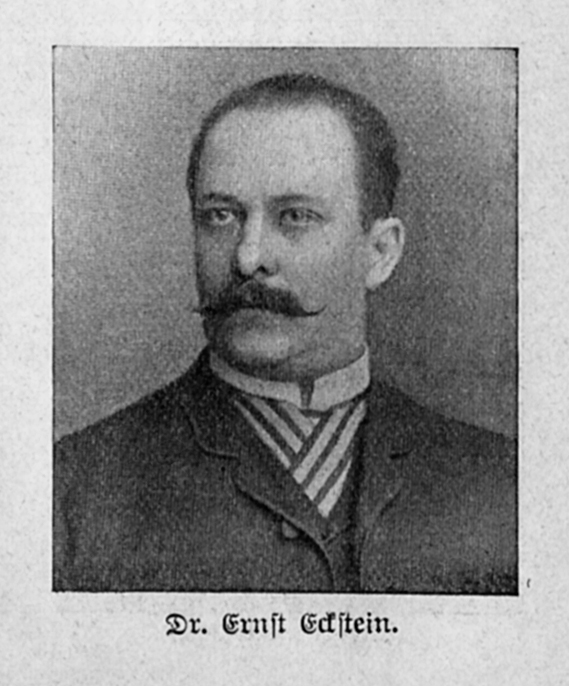
Leopold Loewenfeld was a notable figure in the realm of psychology and education during the late 19th and early 20th centuries. His work often focused on the intersection of social issues and psychological principles, reflecting the intellectual currents of his time. Loewenfeld's writings, such as 'Student Und Alkoholvortrag Gehalten AM 21. Februar 1910,' addressed the impact of alcohol on students, highlighting the need for awareness and education around substance use. This work underscored his commitment to improving the welfare of young people through informed discourse. In addition to his explorations of alcohol's effects, Loewenfeld also tackled broader themes of human behavior and intellect in his essay 'Über die Dummheit.' This work delved into the nature of folly and ignorance, offering insights that were both critical and reflective of societal attitudes. Through his writings, Loewenfeld contributed to the understanding of psychological phenomena and the importance of education in fostering critical thought. His legacy lies in his efforts to engage with pressing social issues through a psychological lens, making him a significant figure in the discourse of his era.
Books from the author


Link to this page
Add a free, dofollow link to Lex on your blog, forum, syllabus, or reading list.

<a href="https://lex-books.com/author/leopold-loewenfeld"><img src="https://lex-books.com/badges/read-on-lex.svg" alt="Leopold Loewenfeld on Lex" width="160" height="40"></a>[](https://lex-books.com/author/leopold-loewenfeld)[url=https://lex-books.com/author/leopold-loewenfeld][img]https://lex-books.com/badges/read-on-lex.svg[/img][/url]Leopold Loewenfeld on Lex: https://lex-books.com/author/leopold-loewenfeld