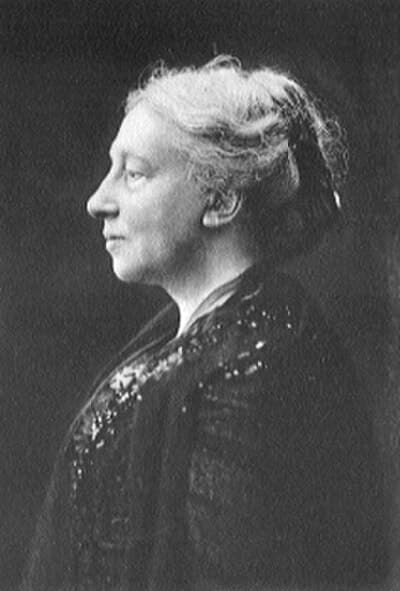
Lady Gregory
Isabella Augusta, Lady Gregory, was an influential Anglo-Irish dramatist, folklorist, and theatre manager who played a pivotal role in the Irish Literary Revival. Co-founding the Irish Literary Theatre and the Abbey Theatre alongside notable figures such as William Butler Yeats and Edward Martyn, she contributed significantly to the development of Irish drama. Gregory's works often drew upon Irish mythology, as seen in her numerous retellings that aimed to preserve and celebrate the cultural heritage of Ireland. Her home at Coole Park became a vital gathering place for key figures of the Revival, fostering a creative environment that encouraged the exploration of Irish identity and nationalism. Initially born into a class that aligned with British rule, Lady Gregory's transformation into a proponent of cultural nationalism reflected the broader political struggles in Ireland during her lifetime. Her literary contributions and her role in theatre management were instrumental in shaping a distinctly Irish voice in literature. Gregory's motto, inspired by Aristotle, emphasized the importance of connecting with the common people through art, a principle that resonated throughout her work and legacy. Today, she is remembered not only for her writings but also for her significant influence on the Irish cultural landscape and her efforts to elevate Irish folklore and drama on the world stage.
Famous Quotes
View all 3 quotes“If the past year were offered me again, And choice of good and ill before me set Would I accept the pleasure with the pain Or dare to wish that we had never met?”
“She is a girl and would not be afraid to walk the whole world with herself.”
“And my desire,' he said, 'is a desire that is as long as a year; but it is love given to an echo, the spending of grief on a wave, a lonely fight with a shadow, that is what my love and my desire have been to me.”
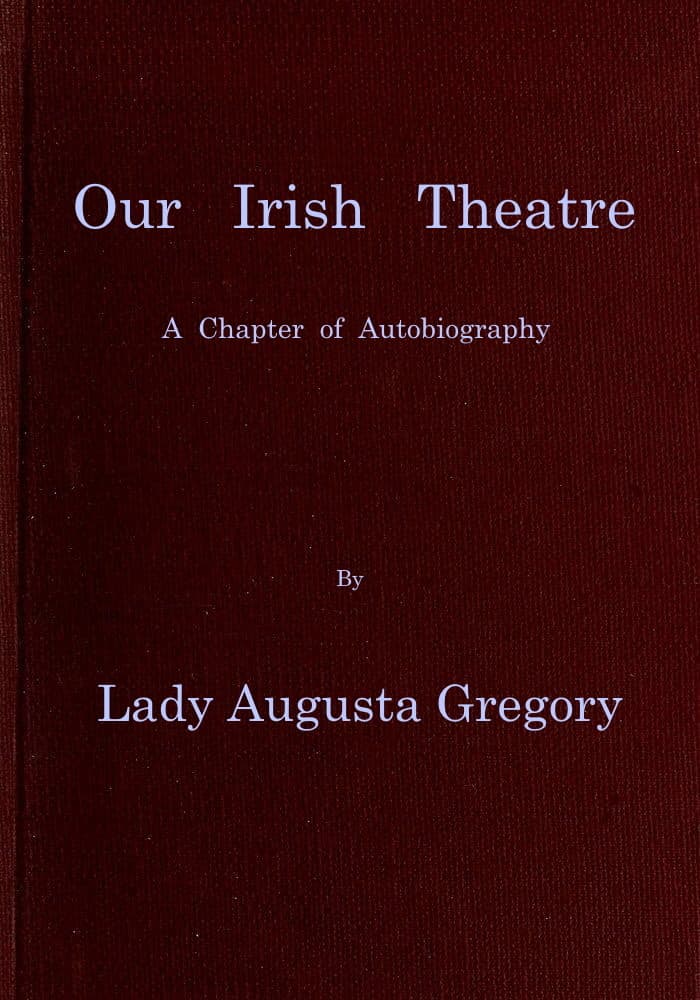
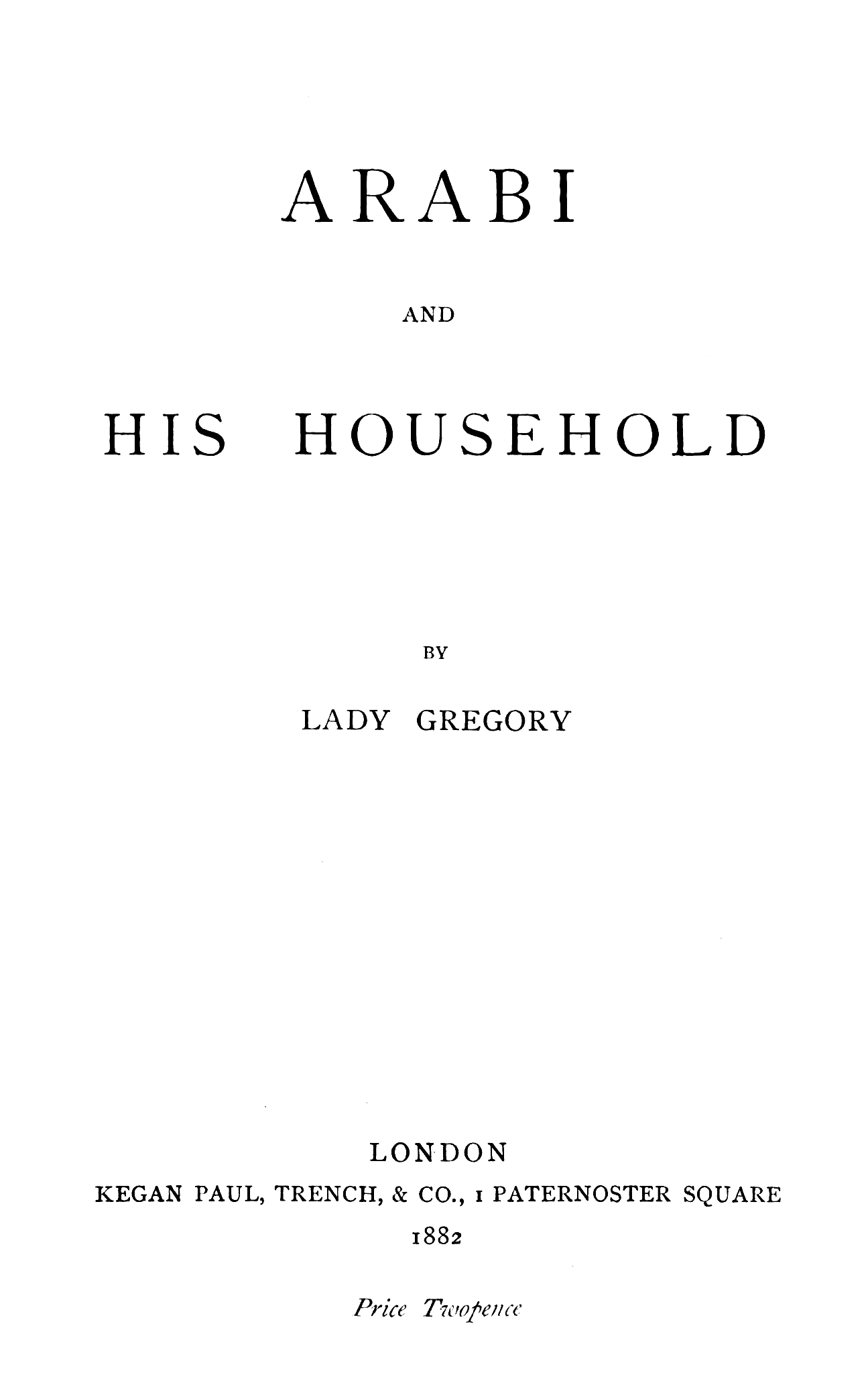
Books from the author





Link to this page
Add a free, dofollow link to Lex on your blog, forum, syllabus, or reading list.

<a href="https://lex-books.com/author/lady-gregory"><img src="https://lex-books.com/badges/read-on-lex.svg" alt="Lady Gregory on Lex" width="160" height="40"></a>[](https://lex-books.com/author/lady-gregory)[url=https://lex-books.com/author/lady-gregory][img]https://lex-books.com/badges/read-on-lex.svg[/img][/url]Lady Gregory on Lex: https://lex-books.com/author/lady-gregory