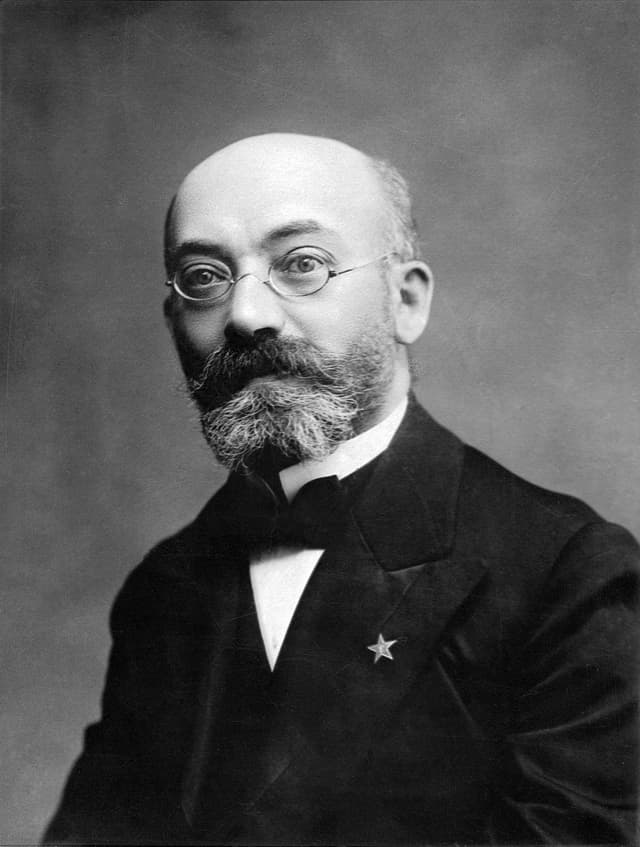
L. L. Zamenhof
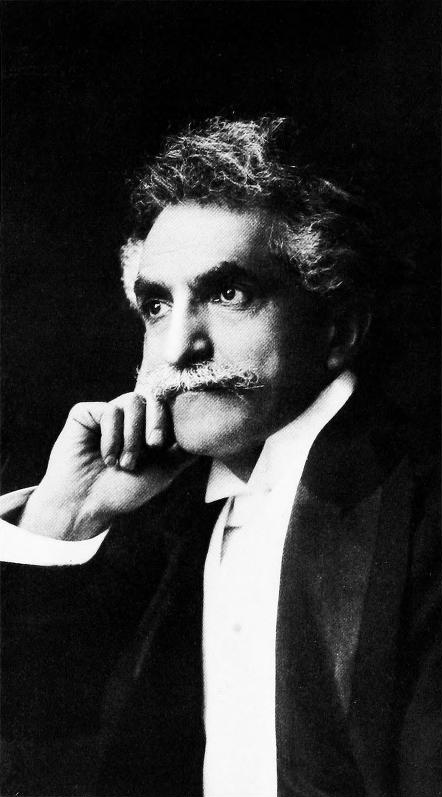
L. L. Zamenhof was a Polish-Jewish ophthalmologist and linguist, best known for creating Esperanto, a constructed international auxiliary language designed to foster communication and understanding among people of different native tongues. Born in Bialystok, Zamenhof grew up in a multicultural environment, which inspired his vision for a universal language that could bridge linguistic divides and promote peace. He published the first book on Esperanto, 'Unua Libro,' in 1887, laying the foundation for a global movement that would attract millions of speakers and enthusiasts over the years. Zamenhof's work extended beyond mere language creation; he envisioned Esperanto as a tool for social harmony and international cooperation. His efforts were not without controversy, as the language faced resistance from nationalists and purists. Nevertheless, Zamenhof's commitment to his ideals led to the establishment of various organizations and events dedicated to the promotion of Esperanto. His legacy endures through the continued use of the language and its role in fostering a sense of global community, reflecting his belief in the power of communication to transcend cultural barriers.
Books from the author



Link to this page
Add a free, dofollow link to Lex on your blog, forum, syllabus, or reading list.

<a href="https://lex-books.com/author/l-l-zamenhof"><img src="https://lex-books.com/badges/read-on-lex.svg" alt="L. L. Zamenhof on Lex" width="160" height="40"></a>[](https://lex-books.com/author/l-l-zamenhof)[url=https://lex-books.com/author/l-l-zamenhof][img]https://lex-books.com/badges/read-on-lex.svg[/img][/url]L. L. Zamenhof on Lex: https://lex-books.com/author/l-l-zamenhof