Dua Libro De L' Lingvo Internacia
1888
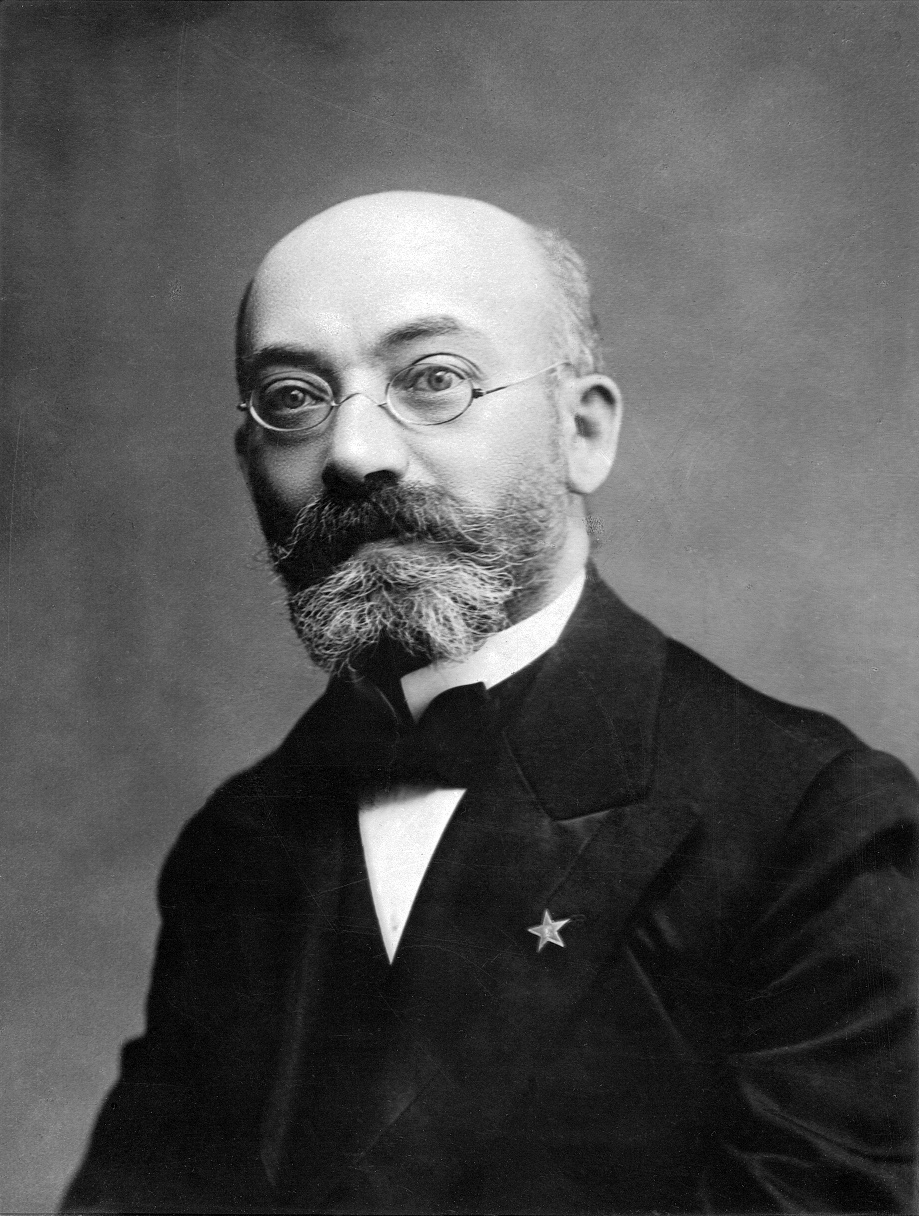
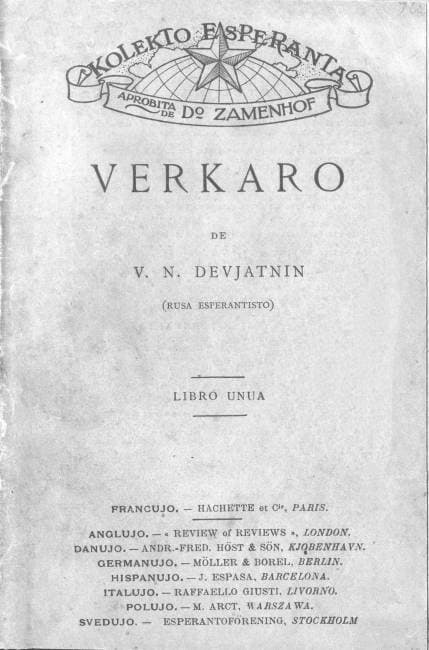
In 1888, a Polish ophthalmologist named L. L. Zamenhof published this follow-up to his revolutionary invention: Esperanto, the first constructed language to achieve real-world usage. This book represents Zamenhof's attempt to refine and finalize his international language through public dialogue, addressing suggestions and critiques from early adopters across Europe. Written in the language itself (part of Zamenhof's genius was demonstrating that his creation could actually function), it captures a remarkable moment of utopian optimism: a belief that humanity could build a bridge over the Tower of Babel. The text reveals both the technical precision of a language designed for logical clarity and the passionate conviction that removing linguistic barriers might reduce international conflict and foster genuine human solidarity. Though Zamenhof never saw his dream of global adoption fulfilled in his lifetime, Esperanto persists today as the most successful constructed language in history, spoken by an estimated two million people worldwide. This book is for anyone curious about the origins of this living linguistic experiment, or anyone who wonders what it might feel like to believe that words could change the world.
Editions
Link to this book
Add a free, dofollow link to Lex on your blog, forum, syllabus, or reading list.

<a href="https://lex-books.com/book/dua-libro-de-l-lingvo-internacia-fb966ea2-5fbb-415c-92cf-4b81b9923607"><img src="https://lex-books.com/badges/read-on-lex.svg" alt="Read Dua Libro De L' Lingvo Internacia by L. L. Zamenhof free on Lex" width="160" height="40"></a>[](https://lex-books.com/book/dua-libro-de-l-lingvo-internacia-fb966ea2-5fbb-415c-92cf-4b81b9923607)[url=https://lex-books.com/book/dua-libro-de-l-lingvo-internacia-fb966ea2-5fbb-415c-92cf-4b81b9923607][img]https://lex-books.com/badges/read-on-lex.svg[/img][/url]Read Dua Libro De L' Lingvo Internacia by L. L. Zamenhof free on Lex: https://lex-books.com/book/dua-libro-de-l-lingvo-internacia-fb966ea2-5fbb-415c-92cf-4b81b9923607Cite this book
Reading this edition for a paper or guide? Copy a citation.
Zamenhof, L. L.. Dua Libro De L' Lingvo Internacia. Lex, lex-books.com/book/dua-libro-de-l-lingvo-internacia-fb966ea2-5fbb-415c-92cf-4b81b9923607.Zamenhof, L. L. (1888). Dua Libro De L' Lingvo Internacia. Lex. https://lex-books.com/book/dua-libro-de-l-lingvo-internacia-fb966ea2-5fbb-415c-92cf-4b81b9923607Zamenhof, L. L.. Dua Libro De L' Lingvo Internacia. Lex. https://lex-books.com/book/dua-libro-de-l-lingvo-internacia-fb966ea2-5fbb-415c-92cf-4b81b9923607.